China is increasingly moving to extend its influence across key sectors of the global economy, from critical minerals to manufacturing and trade routes. The strategy is drawing fresh scrutiny from policymakers and economists worldwide.
China has long been the world’s largest exporter and a dominant force in global manufacturing. But observers are now pointing to a broader and more deliberate effort by Beijing to position itself as an indispensable player across the global economy — controlling supply chains, locking in resource deals, and setting the terms of trade for a widening range of goods and services.
At the heart of the concern is China’s grip on critical materials. From rare earth elements used in electronics and defense equipment to battery metals essential for the green energy transition, China controls a substantial share of global production and refining. That gives Beijing significant leverage over countries and companies that depend on those inputs.
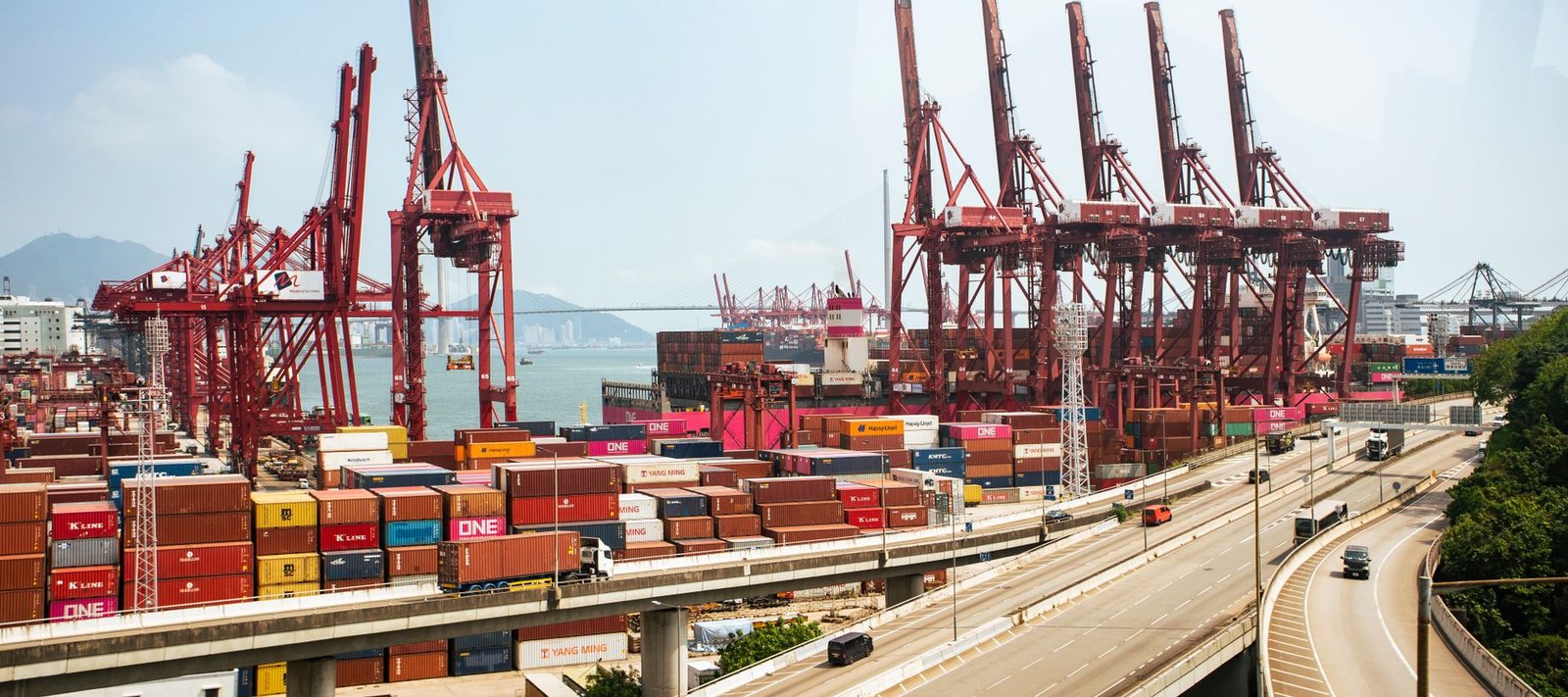
Beyond raw materials, China has also expanded its footprint in global shipping, port infrastructure, and financial networks. Analysts note that this layered approach — securing resources, controlling logistics, and extending trade credit — can give a single country unusual sway over how global commerce flows.
For Western economies, this is more than an academic concern. Trade tensions between China and the United States, Europe, and other major economies have been building for years. Tariffs, export controls, and investment restrictions have all been deployed in an attempt to limit dependency on Chinese supply chains. But unwinding decades of economic integration is slow and costly work.
Global markets tend to react sharply when geopolitical tensions around China rise. Commodity prices, shipping costs, and equity markets in export-dependent economies can all shift when the relationship between Beijing and its major trading partners becomes strained. Investors and policymakers alike are watching for any escalation that could disrupt the flow of goods the global economy depends on.
The broader dynamic reflects a structural shift that has been building for years: as China has grown wealthier and more technically capable, it has moved from low-cost assembler to strategic competitor across a wide range of industries. How the rest of the world responds — through trade policy, industrial strategy, or multilateral coordination — will shape global economic conditions for years to come.
Watch for developments in trade policy, supply chain legislation, and diplomatic signals between Beijing and major Western economies as this rivalry continues to evolve.