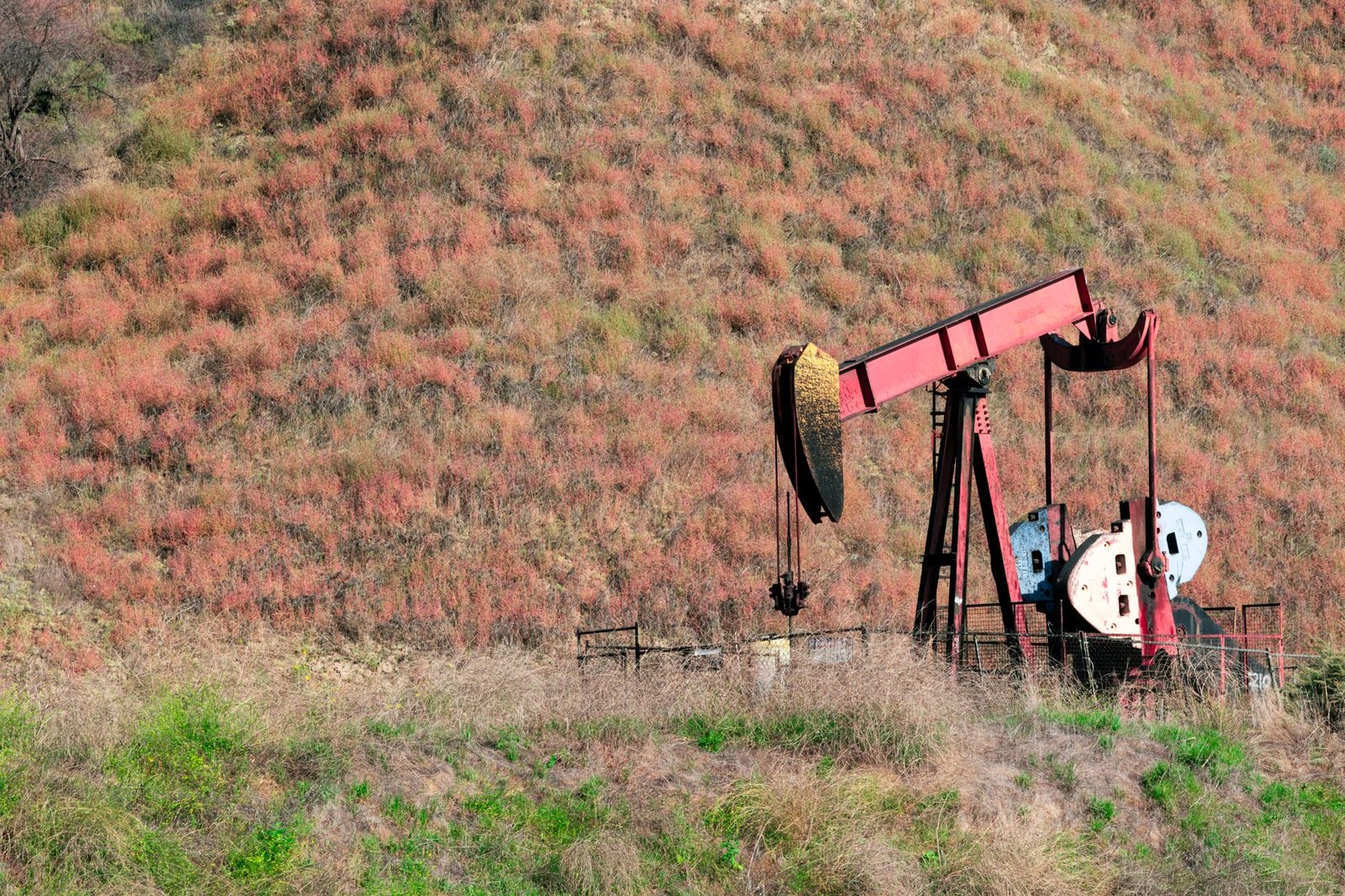
A combination of climbing oil prices and elevated borrowing costs is renewing concerns about stagflation — a rare and painful mix of slow growth and stubborn inflation — across the global economy.
When oil prices rise and interest rates stay high at the same time, economies face a difficult squeeze. Energy costs push prices up for consumers and businesses alike, while higher borrowing costs slow spending and investment. Together, they can tip an economy into the kind of environment that policymakers dread most: growth slowing while inflation refuses to fall.
That is the scenario investors and economists are watching with growing unease. Oil, a key input for transportation, manufacturing, and agriculture, has been trending higher. At the same time, central banks in the United States, Europe, and other major economies have kept interest rates at elevated levels in their effort to bring inflation under control. The combined weight of these two forces is now showing up in weaker growth signals in several parts of the world.
Stagflation is particularly hard to manage because the usual policy tools work against each other. A central bank fighting inflation would normally raise rates further, but doing so when the economy is already slowing risks tipping it into a sharper downturn. Cutting rates to support growth, on the other hand, could allow inflation to re-accelerate — especially if energy prices remain high.
Emerging markets face added pressure. Higher oil prices drain foreign exchange reserves for oil-importing nations, while elevated borrowing costs in the developed world tend to push the U.S. dollar higher, making dollar-denominated debt more expensive to service. This creates a dual burden for economies that are already navigating tight financial conditions.
For consumers, the impact is more direct. Fuel prices filter through quickly to grocery bills, utility costs, and airfares. If wages do not keep pace, household purchasing power erodes — reducing the spending that keeps economic growth alive.
Global growth forecasts from major institutions have already been revised down in recent months, reflecting the drag from tight monetary policy. A sustained rise in oil prices could prompt further downgrades, raising the stakes for central banks as they weigh their next moves.
The path forward will depend heavily on whether oil prices stabilize and how quickly central banks feel confident enough to begin easing — two variables that remain far from settled.