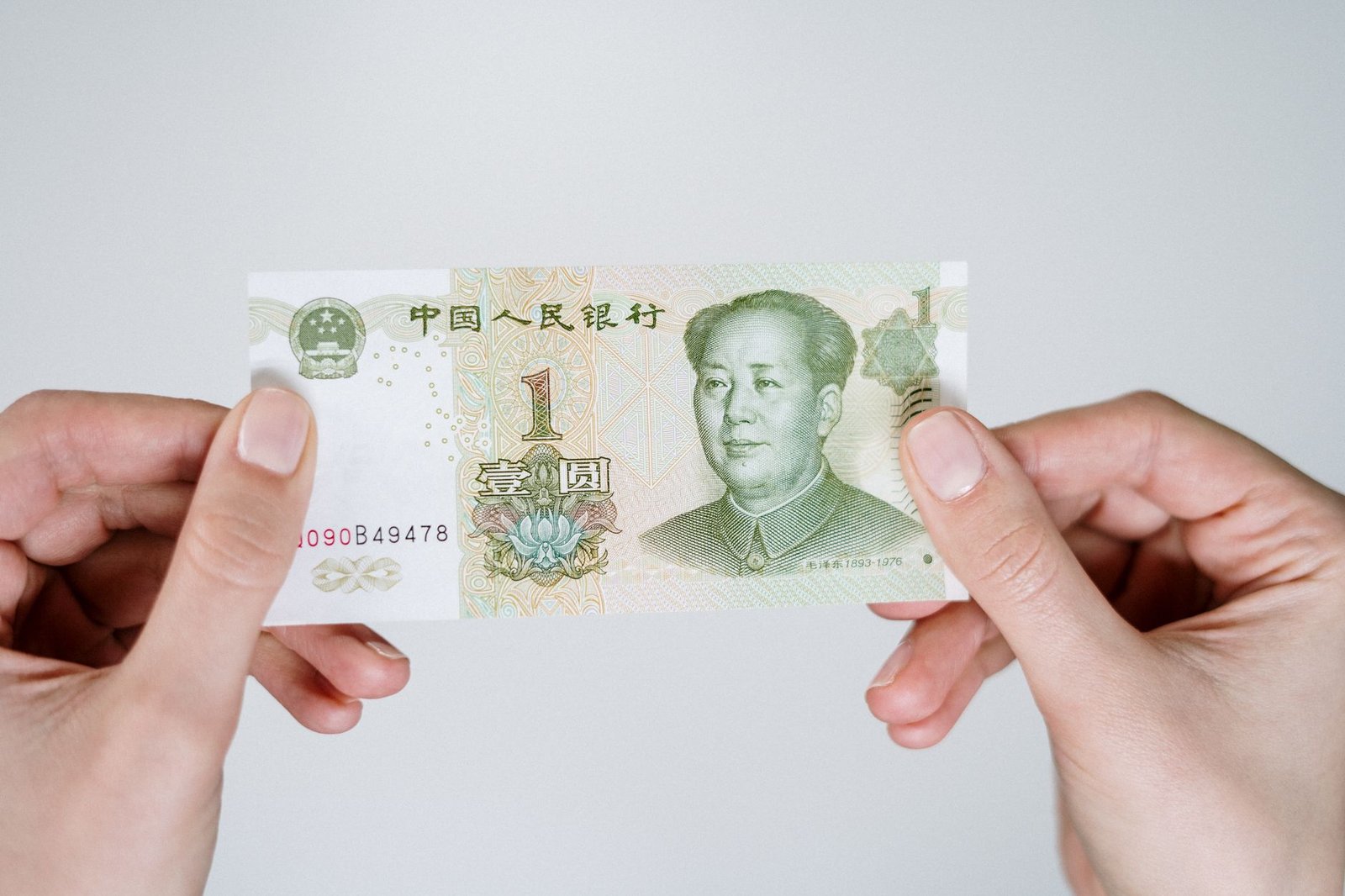
China’s real effective exchange rate — a broad measure of the yuan’s value against its trading partners — remains close to its long-run average, a sign of relative currency stability even as global trade tensions and shifting capital flows keep pressure on the renminbi.
The real effective exchange rate, or REER, is one of the most closely watched gauges of a currency’s true strength. Unlike a simple two-currency comparison, it measures how a country’s money stacks up against a basket of its main trading partners, adjusted for differences in inflation. When China’s REER rises, Chinese exports effectively become more expensive for foreign buyers. When it falls, they become cheaper.
China’s REER has tracked close to its long-run trend in recent periods, suggesting the yuan has not moved dramatically out of line with where economists would expect it to be given the country’s trade and inflation history. That kind of stability can reassure trading partners and investors, reducing the risk of sudden currency-driven shocks to global supply chains.
Still, the picture is not entirely calm. China faces a mix of forces pulling in opposite directions. Slower domestic growth and weak consumer demand tend to put downward pressure on the yuan, while large trade surpluses — China still exports far more than it imports — provide underlying support. The People’s Bank of China has tools to manage the daily trading range of the renminbi, and it has used them actively in recent years to prevent sharp moves in either direction.
For global markets, China’s currency matters well beyond its borders. A weaker yuan can ripple through Asian currency markets, affect commodity prices, and shift the competitive landscape for manufacturers worldwide. A stronger yuan, meanwhile, can ease some of the trade imbalance concerns that periodically surface in relations between Beijing and Washington.
Analysts note that any sustained move away from the long-run trend — in either direction — would attract attention from policymakers and investors alike. For now, the REER data suggest China’s currency is broadly in balance, though the underlying pressures in the global economy bear watching.
Markets will continue to monitor China’s exchange rate management as global trade dynamics and domestic growth signals evolve.