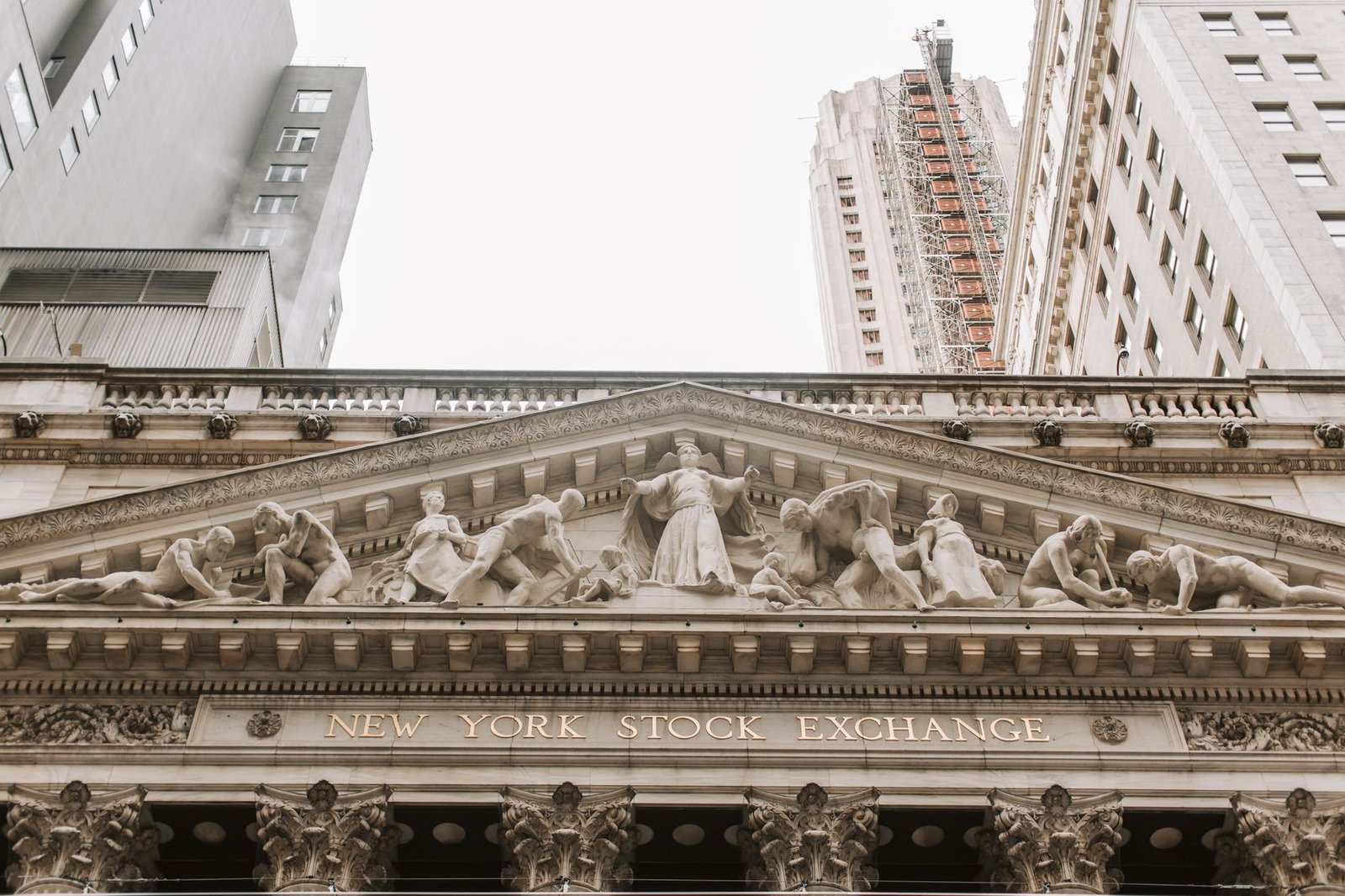
U.S. stocks fell in recent trading as pressure in the bond market pushed yields higher, making equities less attractive to investors and weighing on major indexes.
Wall Street retreated as the U.S. bond market sent a familiar warning signal: when yields rise, stocks often struggle. Investors sold shares broadly, with losses spread across the major indexes, as the cost of borrowing money climbed in the Treasury market.
Bond yields and bond prices move in opposite directions. When investors sell bonds, prices fall and yields — the effective interest rate — rise. Higher yields matter for stocks because they raise the return available from safer government debt, which can pull money away from riskier investments like equities. They also push up borrowing costs for companies, which can eat into profits.
This kind of dynamic is well-established in markets. When the so-called risk-free rate — what the U.S. government pays to borrow — climbs, it shifts the calculation investors make about whether stocks are priced fairly. Growth-oriented companies, whose value depends on future earnings, tend to feel the pressure most acutely because higher rates reduce the present value of those future profits.
The backdrop matters as well. Markets have spent much of this year watching for signals from the Federal Reserve about the path of interest rates. Any data or sentiment that suggests rates could stay higher for longer tends to push yields up and weigh on equities. Investors are closely tracking inflation readings, labor market data, and Fed communications for clues about when and how quickly borrowing costs might ease.
Bond market moves can also reflect broader uncertainty. When investors reassess their expectations for growth or inflation, that shows up quickly in Treasury yields — and from there, the ripple effect across stocks can be swift.
The interplay between bond yields and stock valuations will remain a central theme for markets as investors await more data on inflation and the Federal Reserve’s next moves.