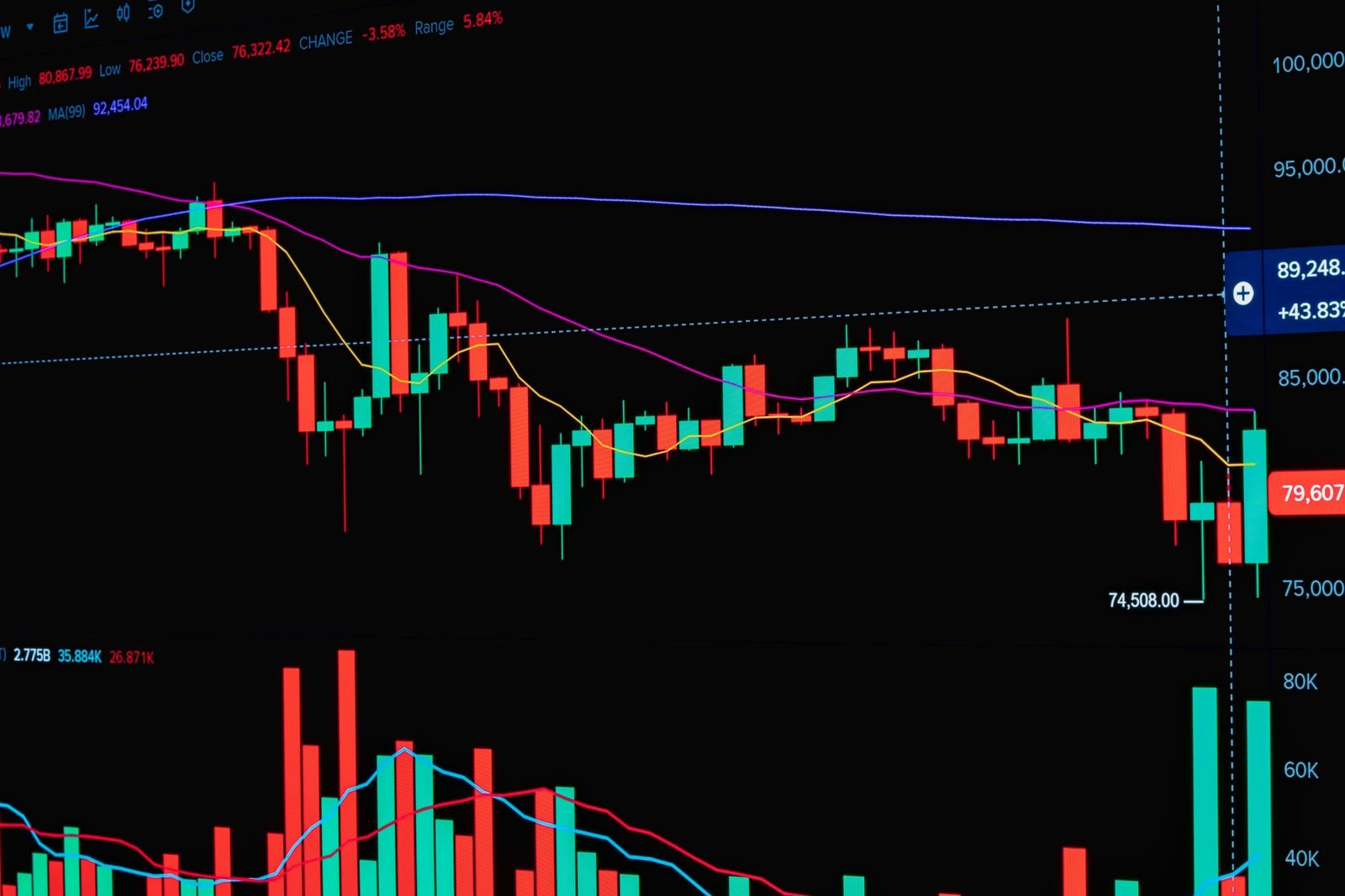
Stock markets across Asia turned in an uneven performance in recent trading, as moves in crude oil prices and government bond yields pulled investors in different directions.
Asian equity markets showed no clear direction in the latest session, with some indexes rising while others slipped, reflecting uncertainty across several key corners of the global economy.
Crude oil prices were a central factor. Oil tends to move markets in two ways: higher prices lift energy-company shares but also raise costs for businesses and consumers, which can weigh on broader indexes. Any meaningful shift in crude can therefore send mixed signals across different sectors and countries at the same time.
Bond yields were also in motion. A yield is simply the return a buyer earns on a government bond. When yields rise, borrowing costs go up for companies and households, which can dampen economic activity and make stocks look less attractive by comparison. Falling yields tend to have the opposite effect. Shifting yields in Asia often reflect changing expectations about inflation and central bank policy both at home and abroad.
The mixed session is consistent with a broader period of caution in global markets. Investors are watching whether major central banks, including the U.S. Federal Reserve and others across Asia, will keep interest rates higher for longer to contain inflation, or begin to ease. That uncertainty makes it harder for markets to move decisively in one direction.
Currency moves can also complicate the picture for Asian markets. A stronger U.S. dollar, often linked to higher U.S. bond yields, can pressure emerging-market currencies and make dollar-denominated debt more expensive to service for governments and companies in the region.
Traders will be watching oil markets and bond yield movements closely in coming sessions for clearer signals on the direction of global risk appetite.