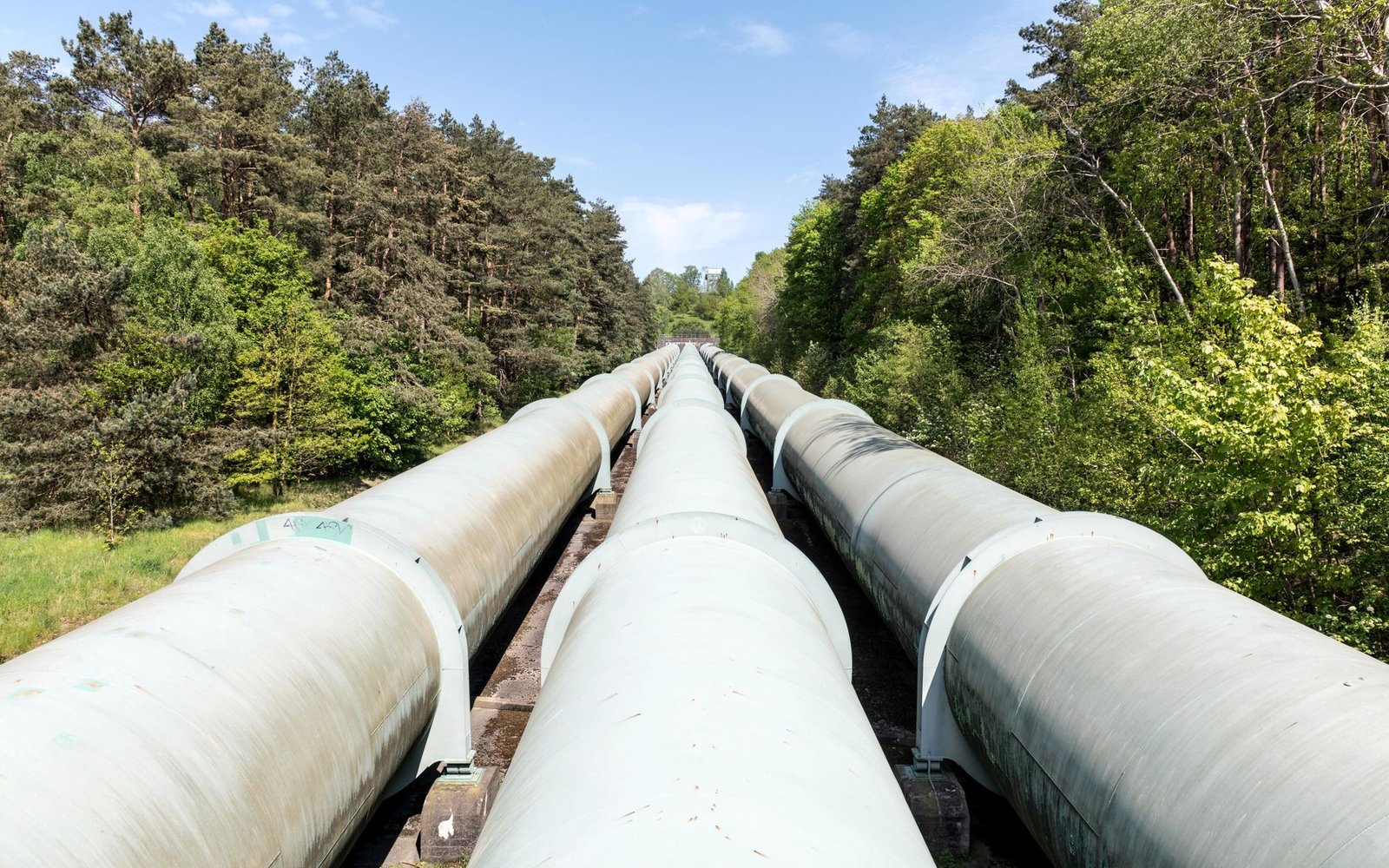
Canadian Prime Minister Mark Carney has designated a major oil pipeline a project of national interest, cutting through regulatory red tape to accelerate its path to approval. The move signals Ottawa’s push to diversify where it sells its energy — and to reduce economic exposure to the United States.
Canada is moving quickly to advance a significant oil pipeline project, with Prime Minister Carney invoking a national interest designation that streamlines the permitting process into a single federal review. The decision bypasses the typically lengthy and fragmented approval process that has slowed major infrastructure projects in the past.
The strategic aim is clear: Canada wants more routes to move its oil to markets beyond the United States. Right now, the U.S. is by far the dominant buyer of Canadian crude. That dependence has become a growing concern for Canadian policymakers, particularly as trade tensions between the two countries have flared in recent years.
Energy exports are a central pillar of the Canadian economy. Oil and natural gas together make up a large share of the country’s export revenue. When the price of oil falls or access to buyers is restricted, the impact ripples through Canadian growth, employment, and the value of the Canadian dollar. Diversifying export destinations would give Canada more pricing leverage and reduce vulnerability to U.S. trade policy shifts.
Fast-tracking major energy infrastructure is not without controversy. Pipeline projects in Canada have historically faced opposition on environmental and Indigenous rights grounds. A streamlined federal review process could reduce the number of voices formally heard, which may draw legal challenges or political pushback from affected communities.
Still, the economic logic behind the move is straightforward. A new pipeline that reaches tidewater — giving Canadian oil access to global shipping lanes — would open up buyers in Asia and Europe. That could help narrow the discount that Canadian crude often trades at compared to global benchmarks, a long-standing frustration for the country’s energy sector.
Markets will be watching whether the accelerated review translates into actual shovels in the ground, and how quickly export capacity could realistically expand.
How swiftly the project clears its remaining hurdles — and whether it faces legal challenges — will determine how much near-term relief it brings to Canada’s export outlook.