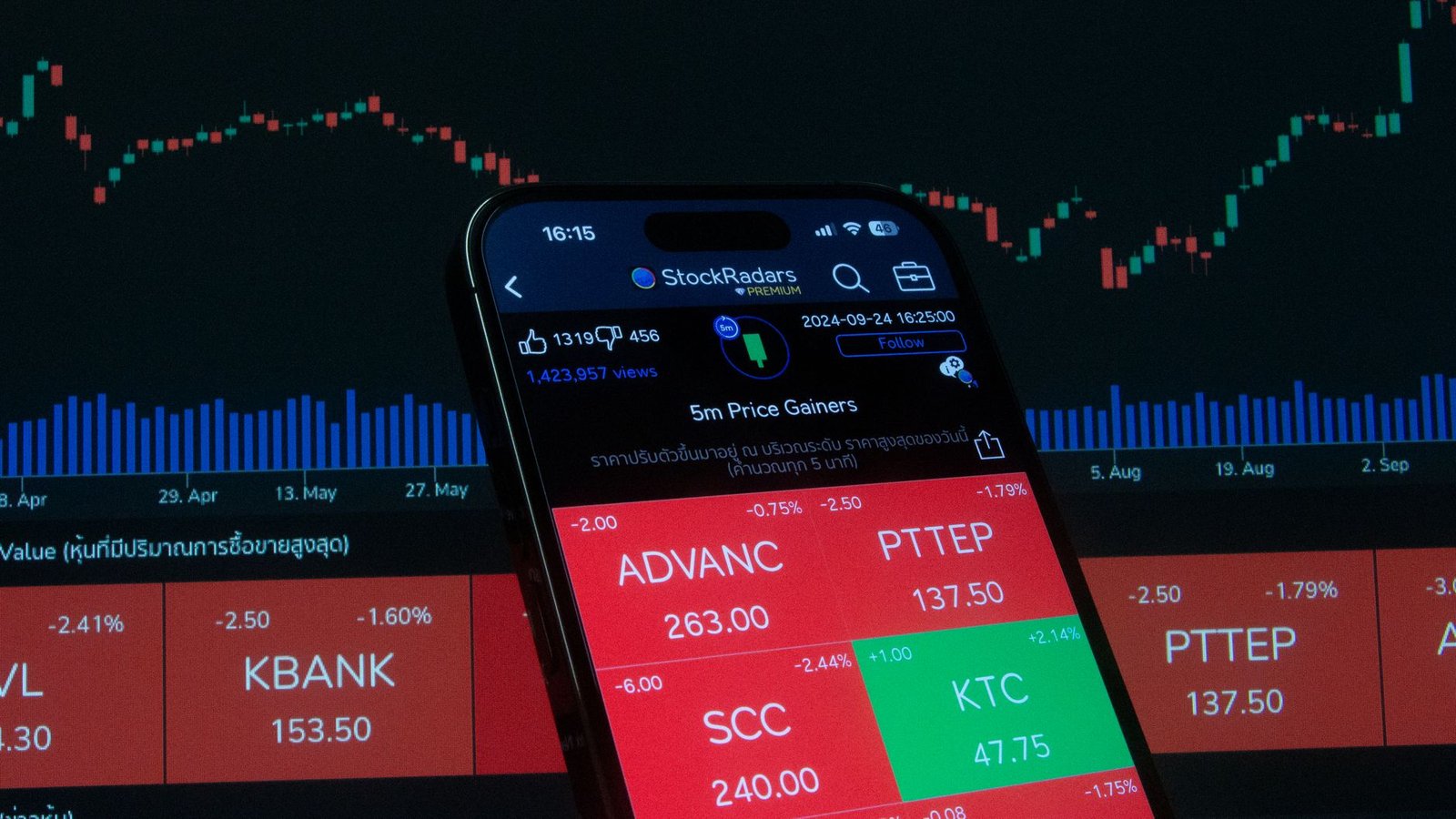
Equity markets dropped and government bond prices climbed in recent trading after major technology companies signaled plans for heavy capital spending, raising concerns about near-term profitability and stoking a broad rotation away from riskier assets.
Stocks fell across global markets as investors grew cautious about the scale of investment pledged by some of the world’s largest technology firms. Companies at the center of the artificial intelligence buildout have been flagging enormous spending programs — on data centers, chips, and infrastructure — and the prospect of that spending weighing on earnings sent shares lower in multiple regions.
The selloff reflected a common tension in markets: enthusiasm for the long-run promise of a new technology can run into concern about short-run costs. When large companies signal that capital spending will rise sharply, investors often reassess how much profit those companies will generate in the near term, and valuations — which had already been stretched in parts of the tech sector — can come under pressure quickly.
At the same time, government bonds rallied, pushing yields lower. Bond prices and yields move in opposite directions, so when investors buy bonds, yields fall. This kind of stock-down, bond-up move is a classic risk-off pattern: money moves from assets seen as risky, like stocks, toward assets seen as safer, like government debt. It can also signal that some investors expect slower economic growth ahead, since heavy corporate spending on capital projects does not always translate into broader economic strength right away.
The AI infrastructure investment wave has been one of the defining market themes of recent years, driving strong returns in technology shares. That enthusiasm is now being tested as the bills come due. Markets are beginning to ask whether the payoff from all this spending will arrive quickly enough to justify current stock prices.
For everyday investors, the moves are a reminder that even compelling long-term trends carry short-term risks, particularly when valuations already reflect a great deal of optimism. The global nature of today’s moves — spanning multiple equity markets and the bond market — suggests the concerns are being felt broadly, not just in one sector or region.
Earnings reports and guidance from major technology firms in the coming weeks will be closely watched to see whether AI spending commitments continue to weigh on market sentiment.