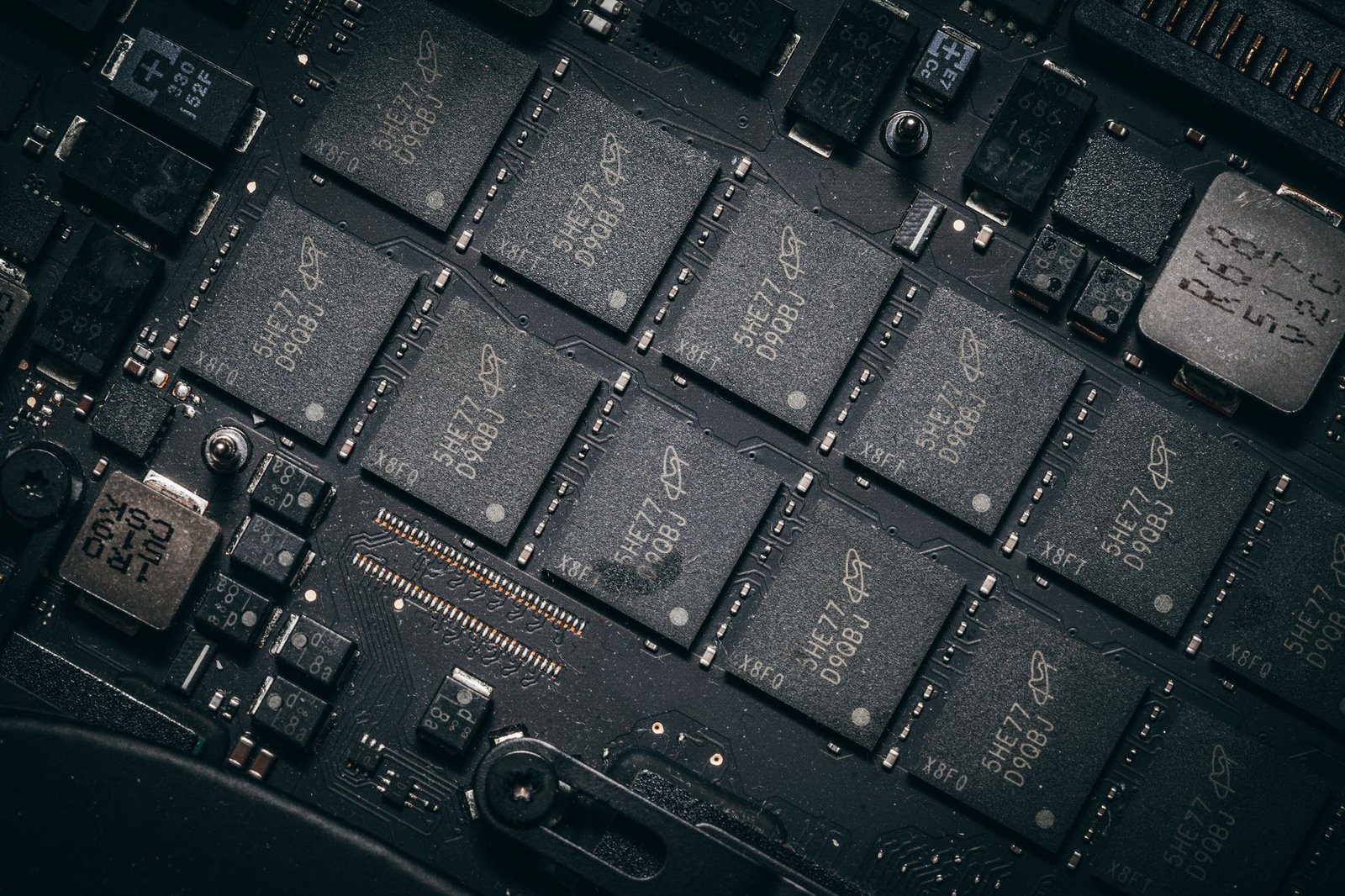
A Chinese memory chipmaker is moving toward mass production of advanced high-bandwidth memory, a technology at the heart of AI computing — but early yield rates suggest the effort faces significant technical hurdles.
China’s Changxin Memory Technologies, known as CXMT, is pressing forward with plans to mass-produce HBM3E — a type of high-bandwidth memory chip used heavily in artificial intelligence systems — even as production yields remain in the range of 20 to 30 percent, according to industry reports. Yield refers to the share of chips produced on a wafer that meet quality standards; a rate that low means the vast majority of chips being made are currently unusable.
For context, a mature, competitive chip production process typically targets yields well above 80 percent. Low yields mean high costs per usable chip, which makes it difficult to sell at competitive prices or generate profit. South Korean chipmakers and other established players have spent years and enormous resources getting their own HBM production yields to commercially viable levels.
The push matters because high-bandwidth memory has become one of the most strategically important components in modern AI hardware. Data centers and AI accelerators depend on HBM chips to move vast amounts of information quickly. Demand has surged alongside the AI investment boom, and the global supply chain for these chips is currently dominated by a small number of non-Chinese manufacturers.
China’s semiconductor industry has faced sustained pressure from U.S. export controls that restrict access to the most advanced chip-making equipment. CXMT’s attempt to develop HBM domestically reflects Beijing’s broader push for self-sufficiency in critical technologies — but the yield gap illustrates just how wide the technical distance remains between China’s current capabilities and the global frontier.
Improving yields in complex, multi-layer memory stacks like HBM3E is an engineering challenge that has taken established manufacturers years to address. Analysts note that simply committing to mass production at low yields is unlikely to close that gap quickly — and doing so at scale could prove costly without a clear path to yield improvement.
For investors and policymakers watching the global chip industry, CXMT’s effort is a reminder that geopolitical ambitions in semiconductors do not translate automatically into technical or commercial parity. The gap between intent and capability remains meaningful, and the timeline for closing it is uncertain.
Progress in CXMT’s yield rates over the coming quarters will be a key indicator of whether China’s domestic HBM ambitions are gaining real traction.