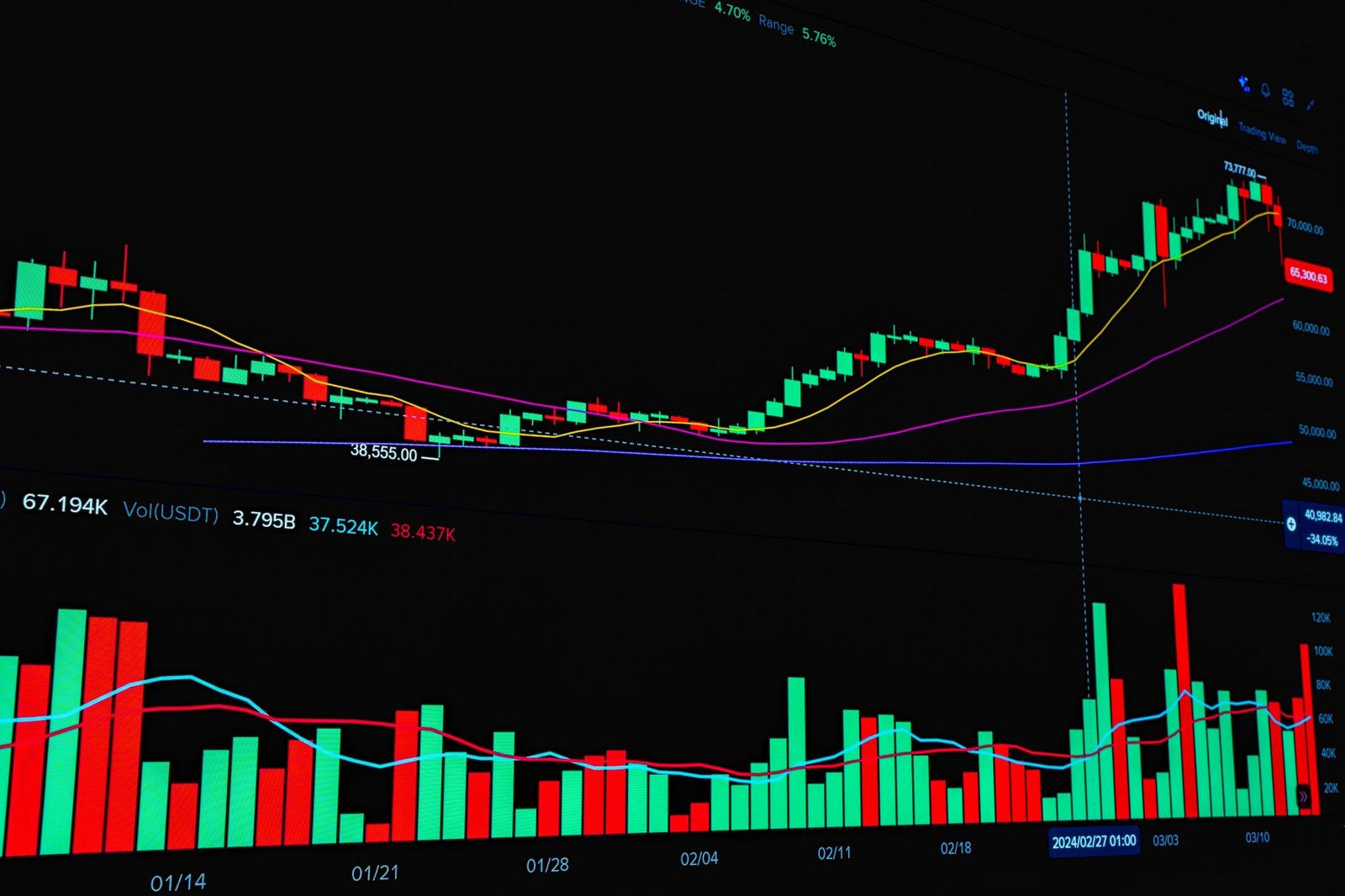
Wall Street came under broad pressure as a sharp pullback in artificial intelligence stocks, sticky inflation concerns, and uncertainty over trade tariffs combined to rattle investors. The confluence of headwinds marks one of the more unsettled stretches for U.S. equities in recent memory.
U.S. stock markets faced significant selling pressure in recent trading, with technology shares — particularly companies tied to artificial intelligence — leading the decline. AI-linked stocks had been among the market’s biggest winners over the past two years, so a sharp reversal in that group tends to drag broader indexes lower with it.
Inflation remained a central concern for investors. When prices stay higher for longer than expected, it typically forces the Federal Reserve to keep interest rates elevated. Higher rates make borrowing more expensive for businesses and consumers, and they also reduce the present value of future earnings — which is especially damaging for high-growth tech stocks that trade on expectations of profits years down the road.
Adding to the unease, the prospect of new or expanded tariffs under the Trump administration introduced fresh uncertainty about supply chains, import costs, and corporate profit margins. Tariffs raise the price of imported goods, which can feed back into inflation and squeeze the earnings of companies that rely on global supply chains. That double pressure — higher costs and weaker demand — tends to make investors cautious.
The combination of these three forces — a growth-stock selloff, persistent inflation, and trade policy risk — created what market observers sometimes call a “multiple compression” environment: investors are willing to pay less for each dollar of expected earnings. When that sentiment takes hold broadly, even companies with solid fundamentals can see their share prices fall.
Bond markets were also in focus. Inflation fears typically push Treasury yields higher as investors demand more compensation for holding fixed-income securities over time. Rising yields can further pressure stock valuations, reinforcing the downward cycle seen in equities during this stretch.
The sell-off serves as a reminder that markets can reprice quickly when several risk factors converge at once. Investors will be watching upcoming inflation data, any further signals from the Fed on its rate path, and developments on trade policy for cues on whether this period of turbulence stabilizes or deepens.
The next major inflation reading and any further White House trade announcements will be key markers for how markets navigate the weeks ahead.