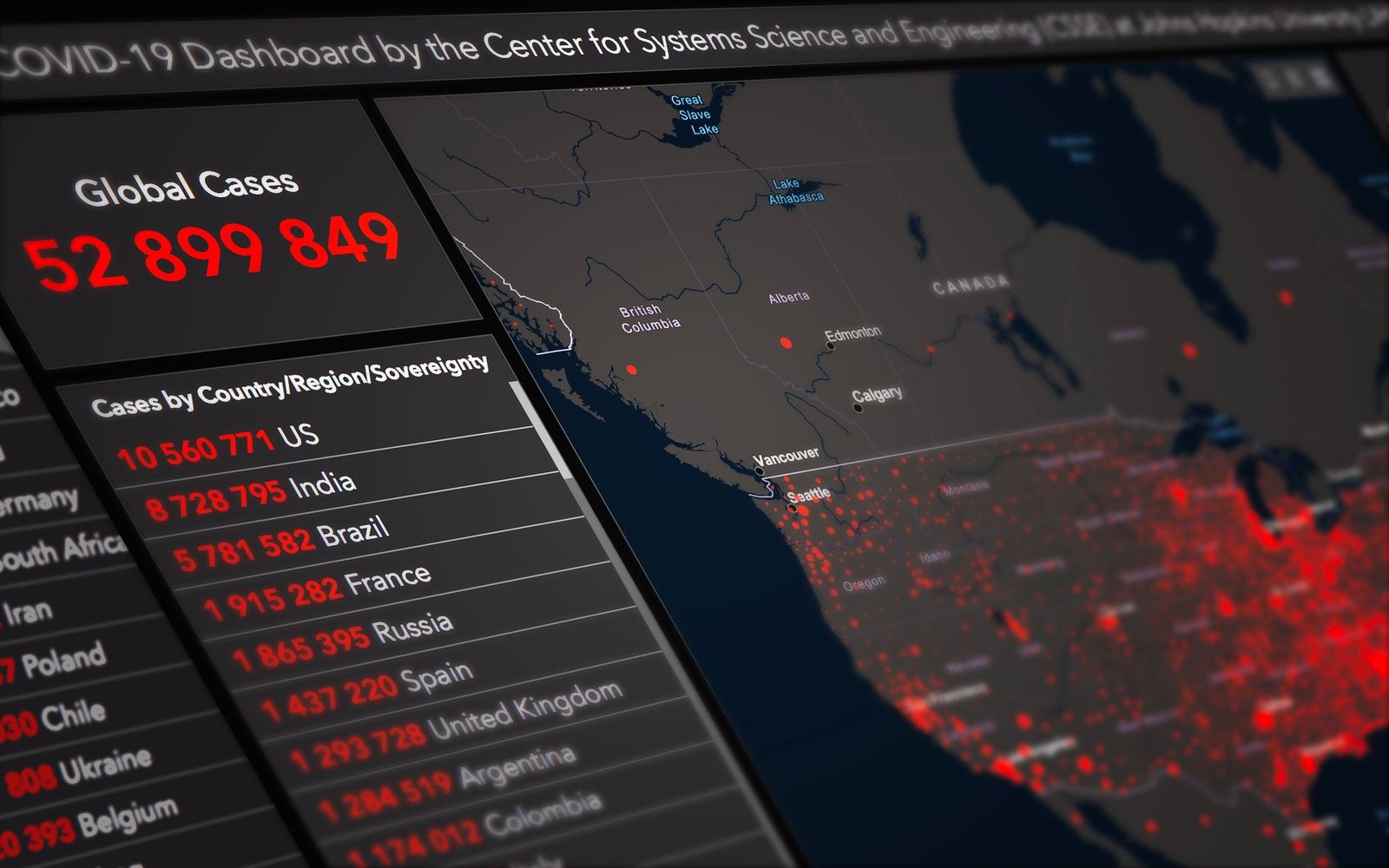
The world economy is expected to hit $150 trillion in output by the end of this decade, driven by growth in emerging markets and continued expansion in major economies. The milestone reflects a significant step up from current levels and carries broad implications for trade, investment, and global financial markets.
Global economic output is projected to reach roughly $150 trillion by 2030, according to forward-looking estimates now circulating among analysts and economists. That figure, measured in nominal terms, would represent a substantial increase from today’s world GDP and underscores the pace at which the global economy continues to expand despite recurring headwinds.
Much of that anticipated growth is expected to come from emerging and developing economies, particularly in Asia and Africa, where younger populations, rising incomes, and expanding middle classes tend to drive demand for goods and services. Established economies in North America and Europe are forecast to grow more slowly but still contribute meaningfully to the total.
For investors and policymakers, a $150 trillion global economy carries real consequences. A larger world economy typically means more trade, greater cross-border capital flows, and deeper financial markets. It also tends to raise demand for commodities — from oil and metals to agricultural products — and can shift the balance of economic and political influence among nations.
That said, projections a decade out carry significant uncertainty. Growth forecasts can be upended by geopolitical conflict, climate-related disruptions, shifts in monetary policy, or unexpected financial shocks. The path to 2030 will likely include episodes of both stronger and weaker growth than current models anticipate.
Inflation will also play a role in shaping that headline number. Nominal GDP — the raw dollar figure before adjusting for price changes — rises faster when inflation is higher. Central banks around the world are still working to bring inflation closer to their targets, and how that effort unfolds over the next several years will influence how quickly the $150 trillion mark is reached and what it actually represents in real purchasing power.
The trajectory of global growth over the next five years will depend heavily on inflation trends, central bank policy, and whether major economies can avoid a serious downturn.