The Trump administration is pressing ahead with a broad tariff offensive that would spare no trading partner — including close U.S. allies — setting up a sharp tension between potential government revenue gains and the diplomatic and economic costs of a wider trade conflict.
The White House is signaling a harder line on trade, with the administration making clear that longstanding allies should not expect special exemptions from new or expanded tariffs. The stance marks an escalation from earlier rounds of trade action and puts traditional partners — including key allies in Europe and Asia — on notice that existing relationships will not automatically shield them from import duties.
The core dilemma is straightforward: tariffs can raise money for the federal government by taxing imported goods, but they can also raise prices for American consumers and businesses, strain diplomatic ties, and invite retaliation from trading partners. When major economies hit back with their own tariffs on U.S. exports, American farmers, manufacturers, and service providers can bear the brunt.
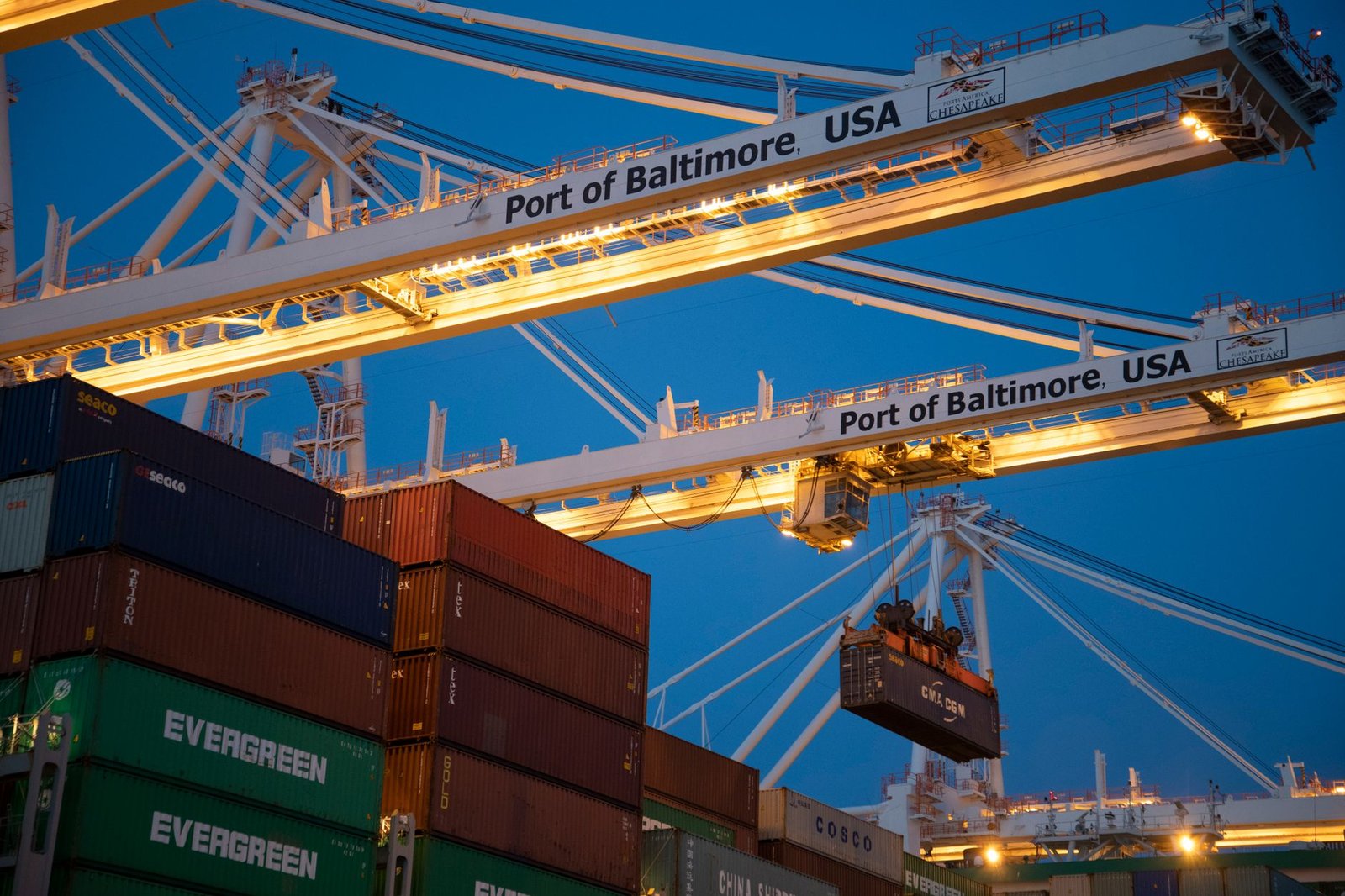
Economists generally treat tariffs as a tax on imports — meaning U.S. importers pay the duty first, and much of that cost is often passed on to buyers. The broader the tariffs and the more countries targeted, the larger the potential impact on prices throughout the supply chain. This matters especially at a time when households and businesses remain sensitive to cost pressures following recent years of elevated inflation.
On the diplomatic side, applying tariffs to allies rather than limiting them to strategic rivals like China changes the calculus significantly. Allies may respond not just with retaliatory tariffs but by reconsidering broader security and economic cooperation. That adds a geopolitical dimension that goes well beyond standard trade policy.
Markets tend to watch tariff developments closely because they affect corporate earnings, supply chains, and the inflation outlook — all of which feed into central bank decisions on interest rates. If tariffs push prices higher, the Federal Reserve could face renewed pressure to keep rates elevated for longer, even as growth concerns mount.
The administration has framed aggressive tariff use as a tool to protect domestic industries and generate revenue at a time when the federal deficit remains a concern. Critics argue the costs — higher prices, damaged alliances, and possible slowdowns in global trade — outweigh those benefits. The debate is likely to intensify as specific tariff measures move closer to implementation.
Watch for responses from U.S. trading partners and any signs of market repricing as the scope and timeline of the tariff plans become clearer.