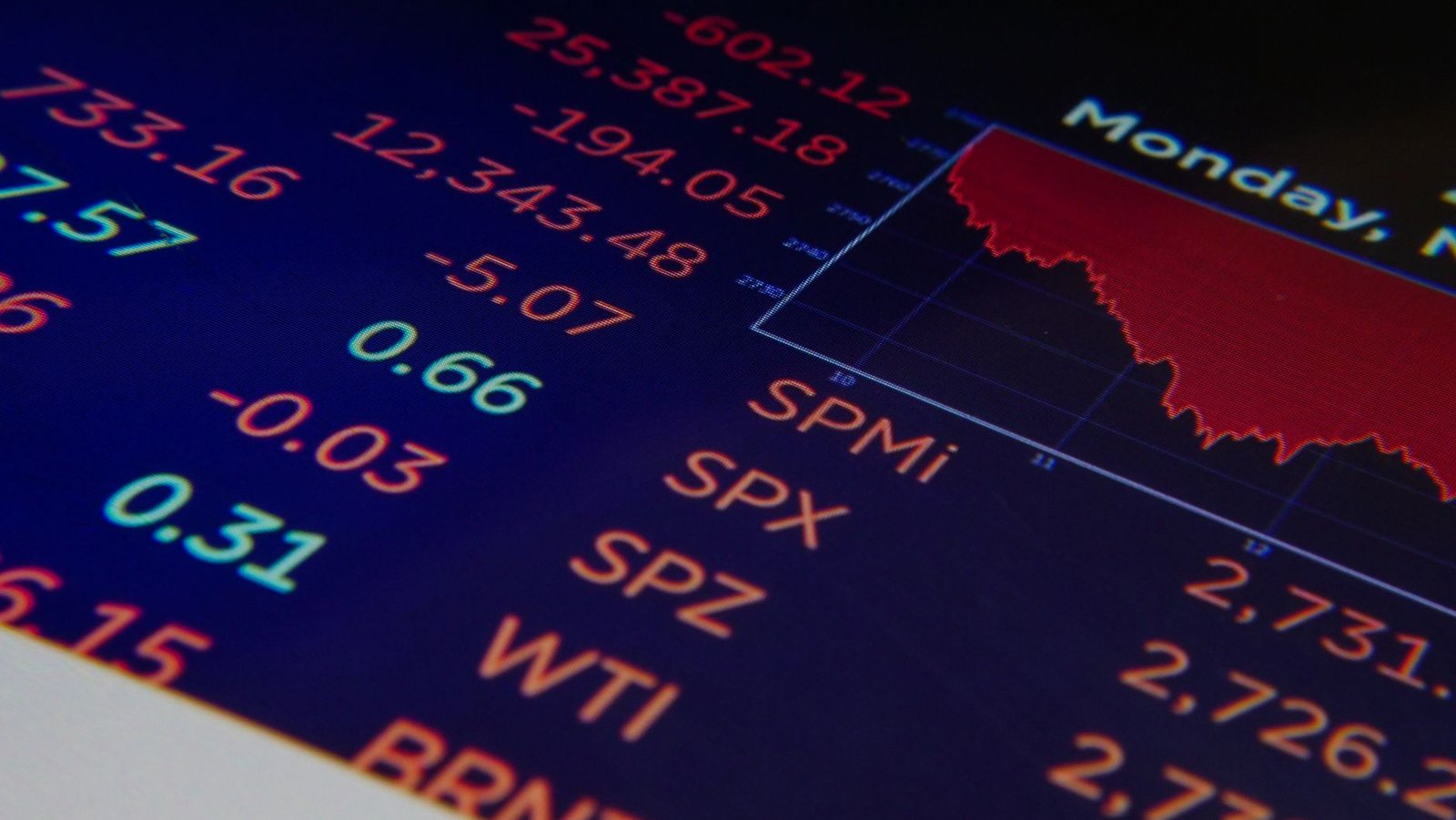
Stock markets around the world came under pressure as fresh worries about trade tariffs combined with softness in Asian equities to push investors toward caution. The broad sell-off reflects growing unease about how trade policy could affect corporate earnings and economic growth.
Global equity markets retreated in recent trading as two familiar headwinds resurfaced: concern over new or expanded trade tariffs and a weak session across Asian stock exchanges. The combination was enough to put sellers in control across multiple regions.
Tariff fears have been a recurring driver of market moves in recent years. When governments impose tariffs — taxes on imported goods — they raise costs for businesses that rely on international supply chains. That can squeeze profit margins, slow trade flows, and, over time, weigh on economic growth. When investors believe tariffs are coming, they often sell shares ahead of the potential hit to earnings.
Asian markets set a cautious tone early in the session. Weakness there tends to carry through to European and then U.S. trading hours, as investors in later time zones take their cues from what has already happened overnight. A broad decline across Asia can signal that regional investors see specific risks — whether tied to trade, domestic economic data, or currency moves — that others may not yet have fully priced in.
Bond markets often benefit in this kind of environment. When stock investors grow nervous, money sometimes shifts into government bonds, which are seen as safer. That demand can push bond prices up and yields — the effective interest rate — down. Currency markets also tend to move, with investors sometimes favoring the U.S. dollar or other perceived safe-haven currencies.
It is worth noting that single-session sell-offs driven by policy headlines can reverse quickly if the underlying fear proves overstated or if official statements walk back the concern. Markets remain sensitive to any new signals from trade negotiators or government officials.
Watch for any official statements on trade policy and further Asian market moves in the sessions ahead, as both will likely set the direction for global equities.