Investors are bracing for a busy stretch of global events, including high-stakes U.S.-China trade discussions, rate decisions from several major central banks, and fresh readings on economic activity across the world’s largest economies.
Markets are entering a week loaded with potential market-moving events. At the top of the agenda are talks between U.S. and Chinese officials, a meeting that financial markets will watch closely for any signs of progress — or setbacks — in the trade relationship between the world’s two largest economies. Trade tensions between Washington and Beijing have been a persistent source of uncertainty for global supply chains, corporate earnings, and investor confidence throughout the year.
Central bank decisions will also command attention. Several major central banks are scheduled to announce rate decisions in the coming days, and investors will be parsing every word for signals about the direction of borrowing costs. With inflation pressures still unevenly distributed across economies — easing in some countries, sticky in others — policymakers face different dilemmas depending on where they sit. Any surprise moves or unexpectedly hawkish or dovish guidance could ripple quickly through currency and bond markets.
The Organisation for Economic Co-operation and Development, known as the OECD, is expected to release its latest Economic Outlook. This report provides updated forecasts for growth, inflation, and trade across its member countries and beyond. Revisions to those projections — particularly for Europe and North America — tend to influence how institutional investors position their portfolios heading into the final months of the year.
Global flash Purchasing Managers’ Index readings — surveys of business activity in manufacturing and services — are also due out. These are among the timeliest indicators economists have for gauging whether growth is holding up or losing momentum. A reading above 50 signals expansion; below 50 signals contraction. Given recent uncertainty around trade and consumer demand, the numbers will be watched carefully.
Meanwhile, results from German state elections are expected to be digested by European markets. Germany’s domestic political landscape has implications for the direction of fiscal policy in Europe’s largest economy, which has been struggling with sluggish growth and an energy transition.
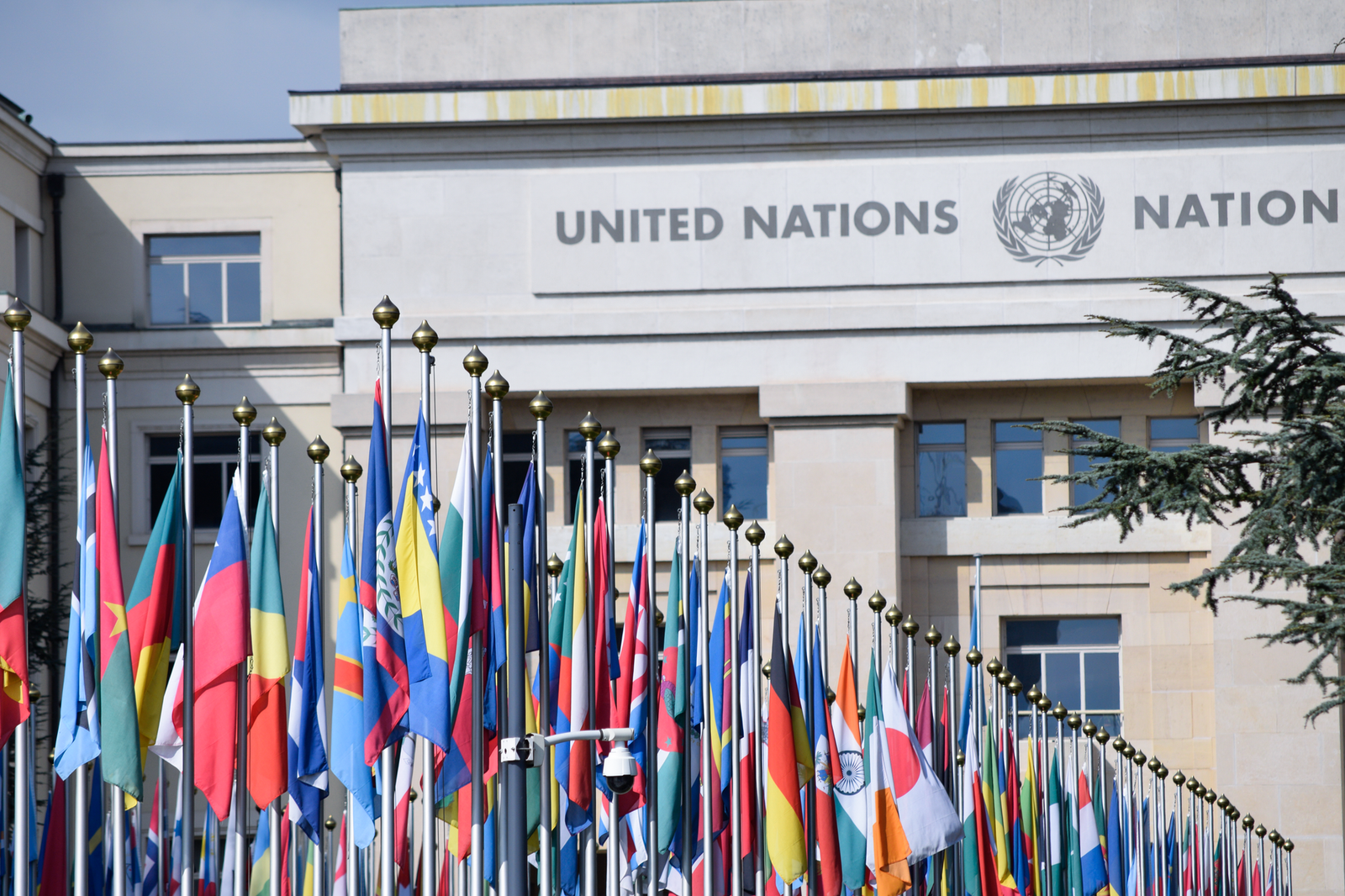
The United Nations General Assembly also convenes, providing a backdrop of global diplomacy that can occasionally intersect with economic and trade policy — particularly when leaders use the forum for bilateral meetings on tariffs, sanctions, or financial cooperation.
With central bank guidance, trade diplomacy, and fresh economic data all landing in the same stretch, this week has the makings of a significant one for global markets.