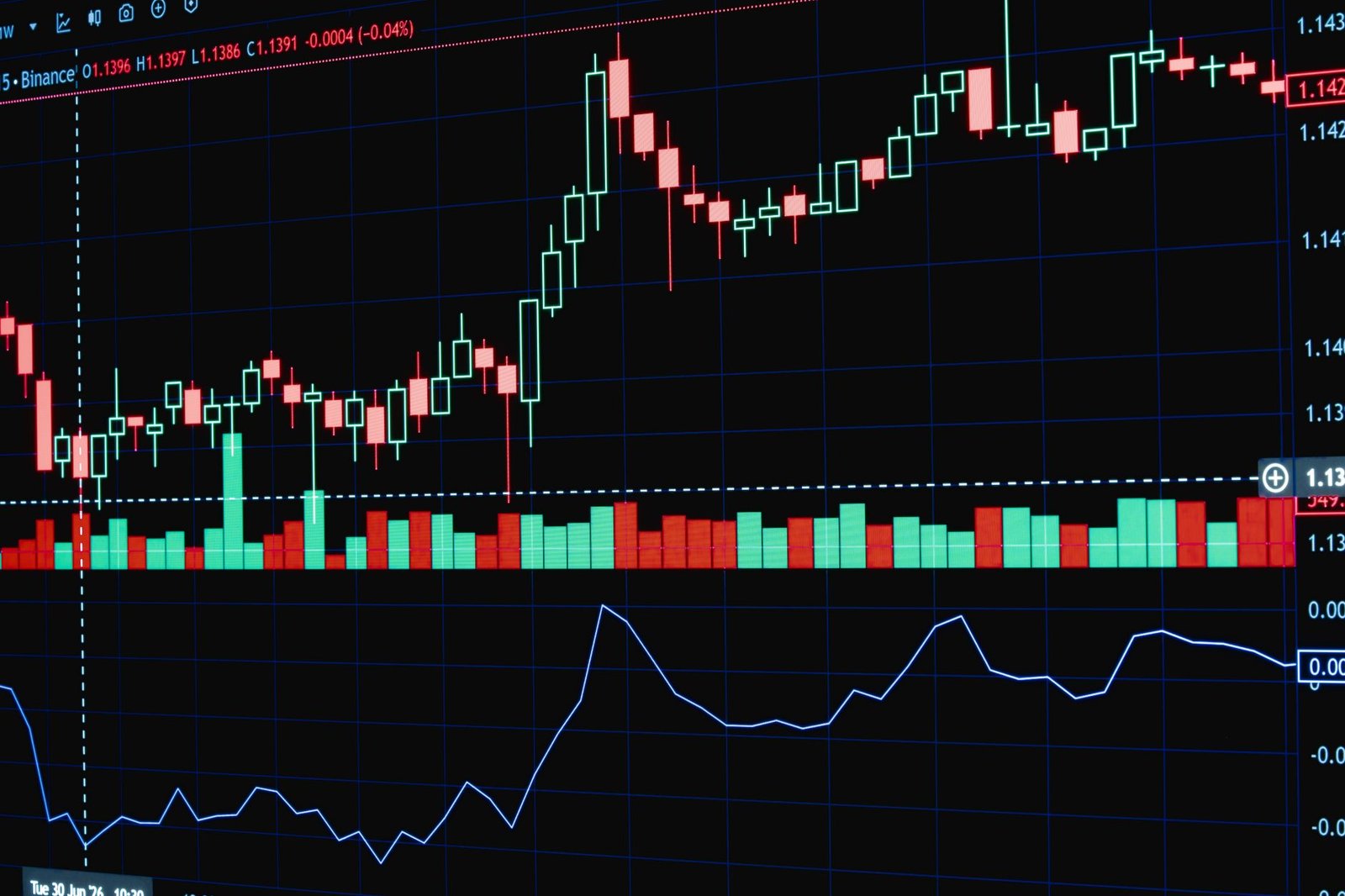
Stocks across Asia traded mostly lower after a sharp decline in artificial intelligence-related shares dragged Wall Street down in the prior session. The move highlighted how sensitive global markets remain to swings in technology valuations.
Equity markets across the Asia-Pacific region came under pressure after a broad selloff in AI-linked stocks on Wall Street unsettled investor sentiment and carried into overnight trading. Major indexes in the region posted losses, reflecting the increasingly close ties between U.S. technology trends and global market direction.
The retreat on Wall Street centered on shares of companies tied to artificial intelligence, a sector that has driven much of the U.S. stock market’s gains over the past two years. When enthusiasm fades for these high-valued stocks, the selloff can be swift and steep, because many investors hold large positions built up during the AI-driven rally.
That kind of volatility tends to travel. When U.S. markets close sharply lower — especially in high-profile sectors — traders in Asia often take a cautious tone the following morning. Funds that operate across time zones adjust their positions, and risk appetite tends to pull back broadly.
Technology stocks are especially influential in Asian markets. Several major Asian economies are home to chip manufacturers, hardware suppliers, and electronics makers that feed directly into the global AI supply chain. A drop in demand expectations for AI products in the United States quickly translates into pressure on those stocks in Tokyo, Seoul, Taipei, and elsewhere.
The broader concern for markets is whether the AI trade, which has carried outsized weight in global equity indexes, is entering a period of reassessment. Valuations in the sector remain elevated by historical standards, meaning even modest shifts in growth expectations can produce meaningful price declines.
Investors will be watching upcoming U.S. economic data and any signals from the Federal Reserve for clues about whether the overall risk environment is shifting, or whether this is a short-term pullback within a longer bull run.
The durability of the AI trade — and how broadly any further weakness spreads — will be a key theme for global markets in the sessions ahead.