Member nations of the BRICS bloc have called for a significant overhaul of the International Monetary Fund and World Bank, while also condemning unilateral tariffs and trade restrictions as threats to the global economy.
The BRICS group — which includes Brazil, Russia, India, China, and South Africa, along with newer members — has renewed its push to reform two of the world’s most powerful financial institutions: the International Monetary Fund and the World Bank. The bloc is arguing that both organizations reflect an outdated global order that gives too much power to wealthy Western nations and too little to the developing world.
The IMF and World Bank were created after World War II and have long been dominated by the United States and Europe. Voting rights within both institutions are tied largely to economic size as measured in traditional terms, which critics say leaves emerging economies underrepresented despite their growing share of global output. BRICS nations have argued for years that this structure needs to change.
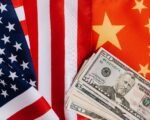
Alongside the push for institutional reform, the group voiced sharp criticism of unilateral tariffs — trade taxes imposed by one country without international agreement — and other barriers to trade. Such measures, the bloc argued, disrupt supply chains, slow growth, and disproportionately hurt developing economies that depend on open trade to expand.
The timing carries significance. Global trade tensions have remained elevated, and major economies have at times moved to protect domestic industries through tariffs and other restrictions. When large economies act unilaterally on trade, the effects ripple across smaller, trade-dependent nations that have little leverage to respond.
BRICS has been trying to build alternatives to Western-led financial structures for some time. The group launched its own development bank — the New Development Bank — as a counterweight to the World Bank, and discussions about reducing reliance on the U.S. dollar in international trade have continued within the bloc. Still, replacing or meaningfully competing with institutions as entrenched as the IMF and World Bank remains a long-term project, not an immediate shift.
The call for reform reflects a broader frustration among emerging economies with what they see as unequal representation in global economic governance. Whether these calls translate into concrete change depends heavily on whether major shareholders — particularly the United States — are willing to cede influence within those institutions.
Watch for how Western governments respond to reform pressure at upcoming IMF and World Bank meetings, as any structural changes would require agreement from the bloc’s largest shareholders.