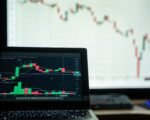
U.S. stocks fell in recent trading after remarks from Federal Reserve Governor Kevin Warsh struck a hawkish tone, reminding investors that the path to lower interest rates may be longer than hoped. Markets are now looking ahead to the monthly jobs report for fresh clues on the economy.
U.S. equity markets pulled back after comments from Federal Reserve Governor Kevin Warsh suggested he is in no rush to cut interest rates. The remarks reinforced a cautious stance on monetary policy at a time when investors had been hoping for a more accommodating signal from Fed officials.
When a central bank official sounds “hawkish,” it means they are more concerned about keeping inflation under control than about stimulating growth. That typically means higher interest rates for longer — which tends to weigh on stock prices, because borrowing costs stay elevated for businesses and consumers alike.
Technology shares felt pressure in the session, with chipmaker Nvidia reversing earlier gains. High-growth technology stocks are often more sensitive to interest rate expectations than other sectors, because their valuations depend heavily on future earnings that become less attractive when rates are high.
The broader market decline underscores how closely investors are still watching every signal from Fed officials. Even as inflation has eased from its peaks, the Fed has made clear it wants sustained evidence that price pressures are cooling before it begins reducing its benchmark interest rate.
All eyes are now turning to the upcoming monthly jobs report, one of the most closely watched pieces of U.S. economic data. A strong labor market could give the Fed more reason to hold rates steady, while a weaker-than-expected report might revive hopes for an earlier rate cut. Either way, the data is likely to set the tone for markets in the days ahead.
The interplay between Fed commentary and economic data has defined market swings for much of the past two years, and that dynamic shows little sign of fading.
The jobs report will be a key test of whether the economy is slowing enough to bring the Fed closer to a rate cut.