Stocks climbed in markets around the world even as farmers and agricultural producers grappled with mounting uncertainty over trade barriers and rising input costs tied to tariffs.
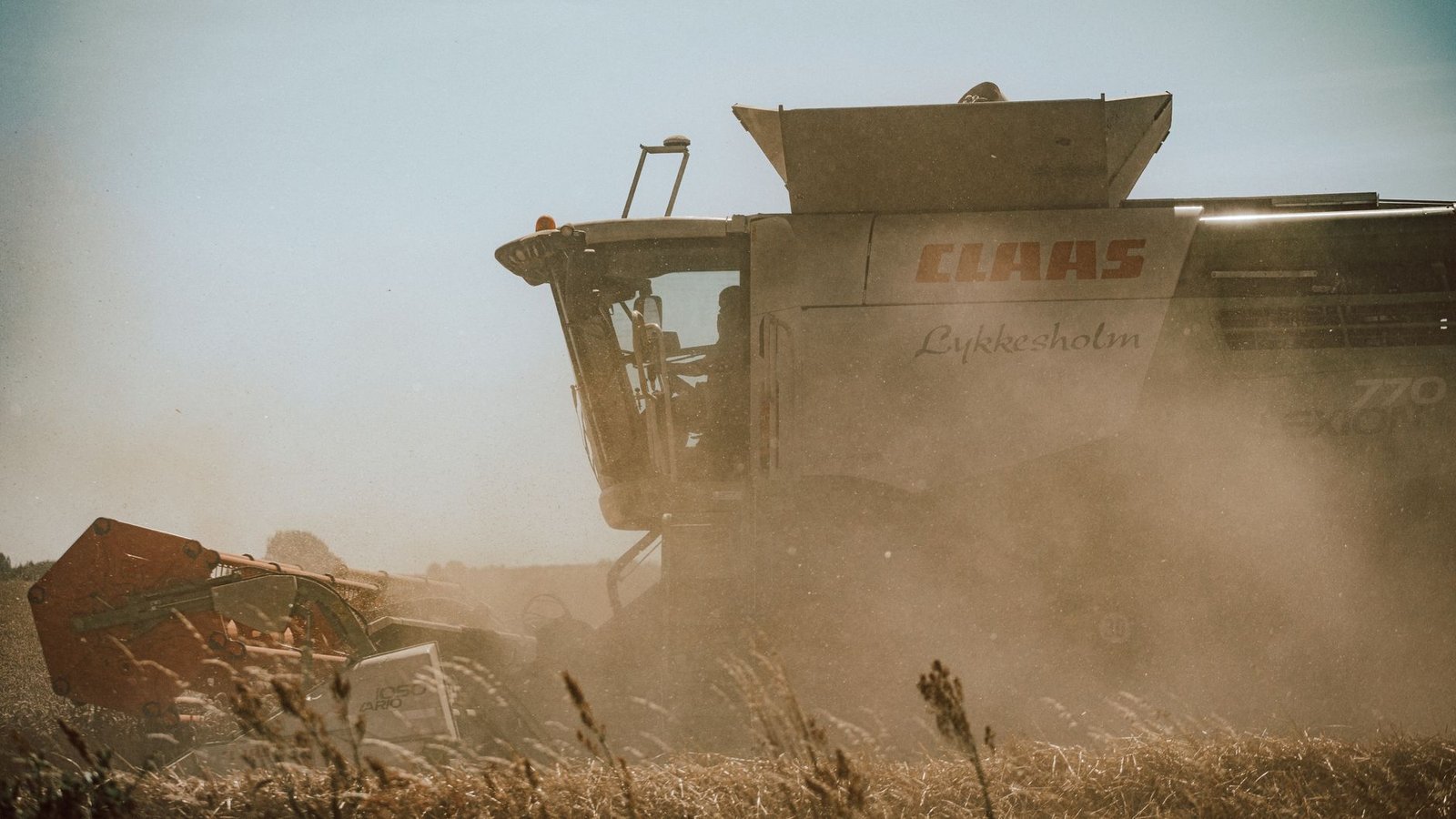
Global equity markets posted broad gains in recent trading, lifting investor sentiment across major regions. But the rally masked a more complicated picture for the agricultural sector, where producers are confronting a tightening squeeze from trade policy uncertainty and higher costs for key supplies.
Tariffs — taxes placed on imported goods — have been a persistent source of friction for farmers who rely on global supply chains. When governments impose tariffs on inputs such as fertilizer, machinery, or fuel, farm operating costs rise. At the same time, retaliatory tariffs from trading partners can close off export markets for crops and livestock, hitting revenues from two directions at once.
That kind of cost-and-revenue pressure can weigh heavily on farm income, particularly for smaller producers who have less financial cushion to absorb sudden price swings. It also carries broader economic implications: agriculture remains a significant employer in many countries, and sustained stress in the sector can ripple into rural communities and regional economies.
For markets overall, the picture looked more positive. Broad stock indexes moved higher, suggesting investors were focused on other factors — including signals from major central banks and broader corporate earnings — rather than the specific headwinds facing agriculture. It is not unusual for equity markets and individual industries to move in different directions in the short term.
The divergence between the market rally and agricultural uncertainty underscores a tension that has been building across the global economy: trade policy is shaping winners and losers in ways that headline index moves do not always capture. Investors with exposure to commodities, farm equipment, or food production may face a different risk picture than those tracking broad equity benchmarks.
Watch for developments in trade negotiations and any new tariff announcements, which could shift the cost outlook for agricultural producers in both directions.