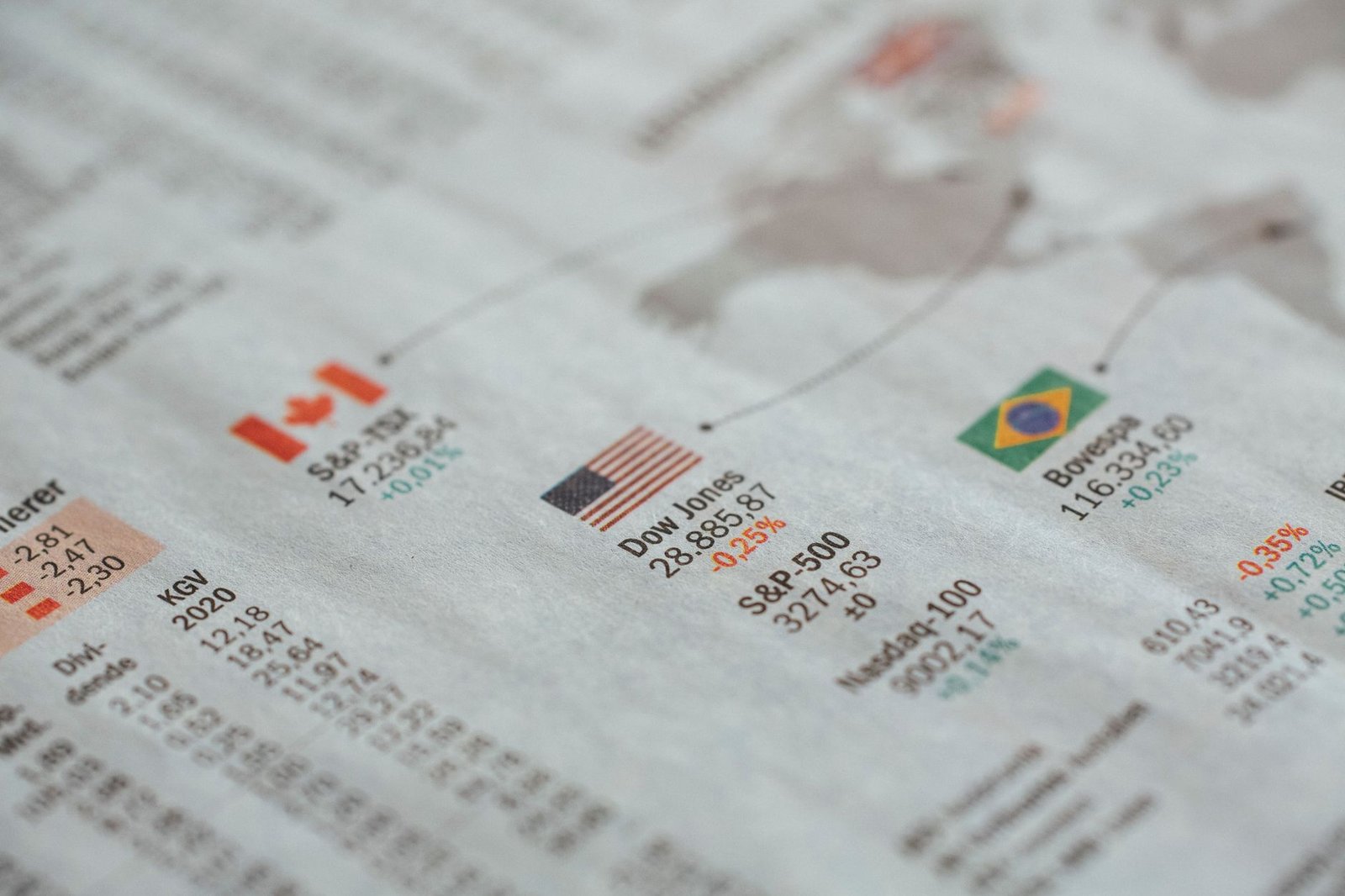
Equity and bond markets fell broadly as central banks around the world continued raising interest rates in a coordinated effort to bring inflation under control. The moves reflect how widespread the inflation problem remains — and how determined policymakers are to fight it.
Global markets slipped in recent trading as investors digested a fresh round of interest rate increases from major central banks. Both stocks and bonds declined, a pattern that typically emerges when policymakers signal they are willing to slow economic growth in order to bring prices down.
When central banks raise rates, they make borrowing more expensive across the economy — for businesses, households, and governments alike. That tends to weigh on corporate profits, which pushes stock prices lower. At the same time, rising rates push bond yields higher and bond prices lower, so both major asset classes can fall together during aggressive tightening cycles.
The broad selloff signals that markets are taking the latest rate decisions seriously. Investors had spent much of the past year hoping central banks might ease off their tightening campaigns, but persistent inflation in many economies has kept policymakers on a hawkish path. When rates go up faster than markets expect, the adjustment can be swift and painful across portfolios.
Central banks in major economies have been raising rates at a historically rapid pace since inflation surged in the aftermath of the pandemic. The U.S. Federal Reserve, the European Central Bank, the Bank of England, and several other institutions have each moved aggressively to rein in price pressures. While some early signs of cooling have appeared, inflation in many parts of the world remains well above the targets most central banks aim for — typically around 2 percent annually.
The simultaneous tightening across multiple large economies adds another layer of complexity. When many central banks raise rates at once, the effects can reinforce each other globally — slowing trade, tightening financial conditions, and weighing on growth in ways that a single country acting alone would not produce. That interconnected pressure is a key reason markets worldwide are moving together.
Investors will be watching upcoming economic data closely for signs of whether inflation is easing enough to allow central banks to slow their pace of increases, or whether further rate hikes remain on the table.
The path forward hinges on whether inflation data in coming weeks shows enough progress to give central banks room to pause.