A military conflict involving Iran has sent shockwaves across the global economy, pushing up energy prices, fanning inflation fears, and clouding the outlook for growth in both advanced and emerging markets.
Wars involving major oil-producing or oil-transit nations have historically been among the most disruptive forces in the global economy. The latest conflict involving Iran is following that pattern, with consequences felt from commodity markets to central bank boardrooms around the world.
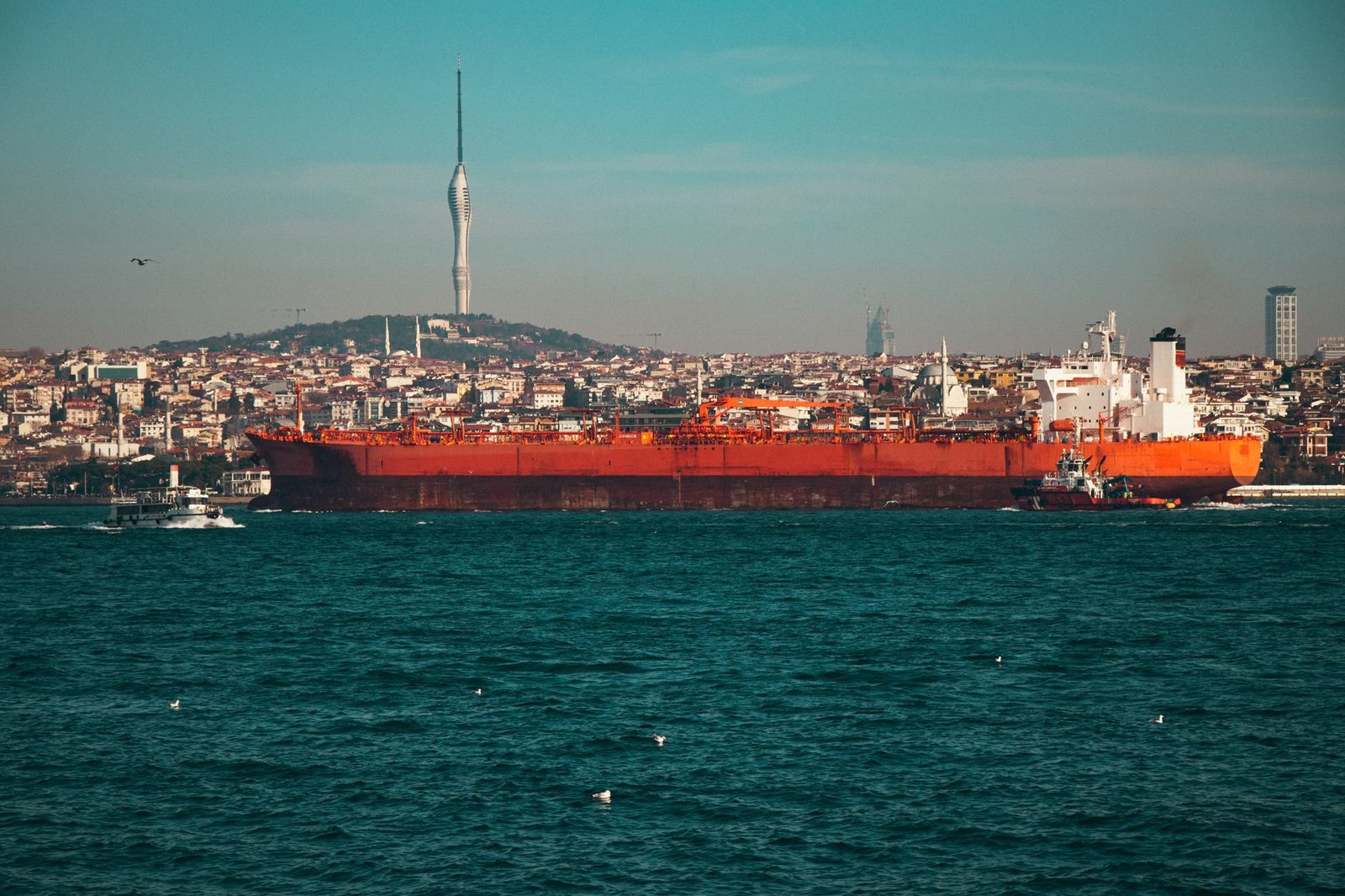
Iran sits at the heart of global oil flows. It is one of the world’s significant crude producers, and the Strait of Hormuz — the narrow waterway at its doorstep — carries roughly a fifth of the world’s oil supply. Even the threat of disruption to that corridor tends to push oil prices sharply higher, and actual conflict raises that risk considerably. Higher oil prices act as a tax on households and businesses everywhere: they push up the cost of fuel, heating, and transportation, and feed into the prices of manufactured goods and food.
For central banks, the timing is complicated. Many policymakers in the United States and Europe had been cautiously moving toward lower interest rates after years of fighting post-pandemic inflation. A fresh energy price shock can reverse that progress, forcing central banks to hold rates higher for longer — or even consider raising them again — to stop rising fuel costs from spreading into broader price increases across the economy.
The growth picture is also dimming. Higher energy costs squeeze corporate profit margins and consumer spending power at the same time. Emerging-market economies that import large amounts of oil are especially exposed, since they also face the added burden of a stronger U.S. dollar, which tends to rise in times of global uncertainty and makes their dollar-denominated debts more expensive to service.
Financial markets are reflecting the uncertainty. Oil futures have moved higher, equity markets in energy-importing nations have come under pressure, and investors have sought safety in assets like U.S. Treasury bonds and gold — classic moves when geopolitical risk rises sharply. Supply chains that were already navigating the aftermath of years of disruption now face renewed strain if shipping routes through the Middle East are affected.
The scale of the long-term economic impact will depend heavily on how long the conflict lasts, whether it widens to involve other regional powers, and how quickly global energy markets can find alternative supply routes or tap additional production. None of those questions have clear answers yet.
All eyes will be on oil markets, central bank communications, and any diplomatic signals that could indicate how prolonged or contained this conflict may become.