The Netherlands is set to impose trade restrictions on goods originating from Israeli settlements in occupied Palestinian territory, acting unilaterally as broader European Union efforts to adopt a coordinated sanctions framework remain deadlocked.
The Dutch government has announced plans to ban imports of goods produced in Israeli settlements in the occupied West Bank, a move that places the Netherlands among a small number of European countries willing to take independent trade action even as the European Union has been unable to reach consensus on a bloc-wide response.
The decision carries economic and diplomatic significance. Israeli settlement goods have long occupied a grey area in EU trade policy. The EU already requires that settlement products be labeled separately from goods made within Israel’s internationally recognized borders, making them ineligible for preferential tariff treatment under the EU-Israel trade agreement. A direct import ban goes a step further, turning a labeling rule into an outright prohibition.
For European businesses that source agricultural produce, wine, or manufactured goods from settlements, a patchwork of national bans creates compliance complexity. Companies operating across multiple EU markets would need to track and document the precise origin of Israeli goods — a logistically demanding requirement that could dampen trade more broadly, even beyond the specific products targeted.
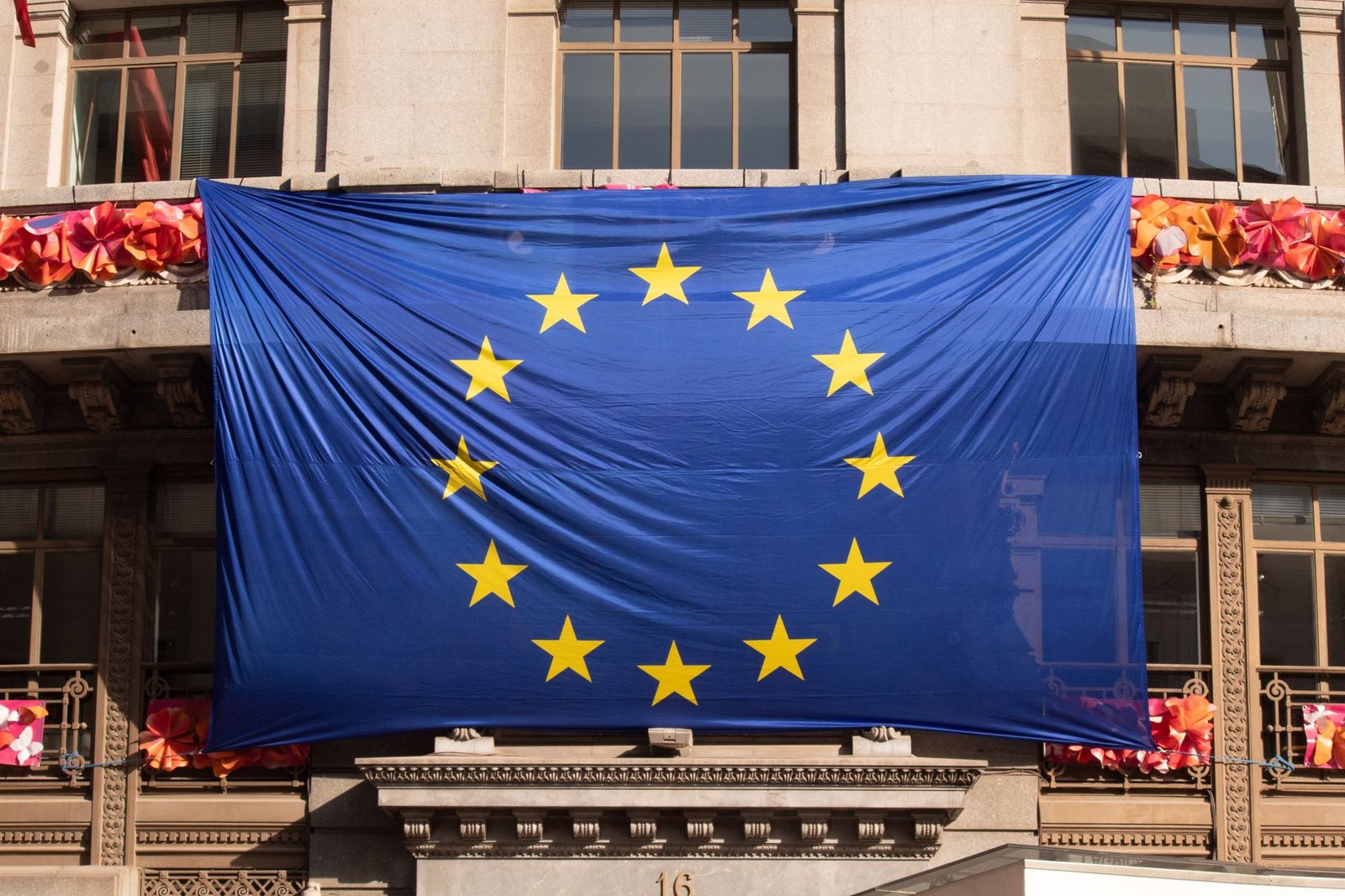
The move also reflects a widening divide within the EU over how to respond to the conflict in Gaza and broader Israeli policy in the occupied territories. Reaching unanimous agreement among the bloc’s 27 member states on trade sanctions has proven difficult, with countries holding sharply different positions. The Netherlands stepping out on its own adds pressure on Brussels but does not force the issue.
From a markets perspective, the direct economic impact on the Netherlands or wider European economies is modest. Israeli settlement exports to Europe are a relatively small trade flow. The greater significance lies in the political signal — that individual EU members are willing to act where collective institutions have not — and the potential for other member states to follow.
Traders and multinational businesses with exposure to EU-Israel trade flows will be watching whether other European governments adopt similar unilateral measures in the months ahead.