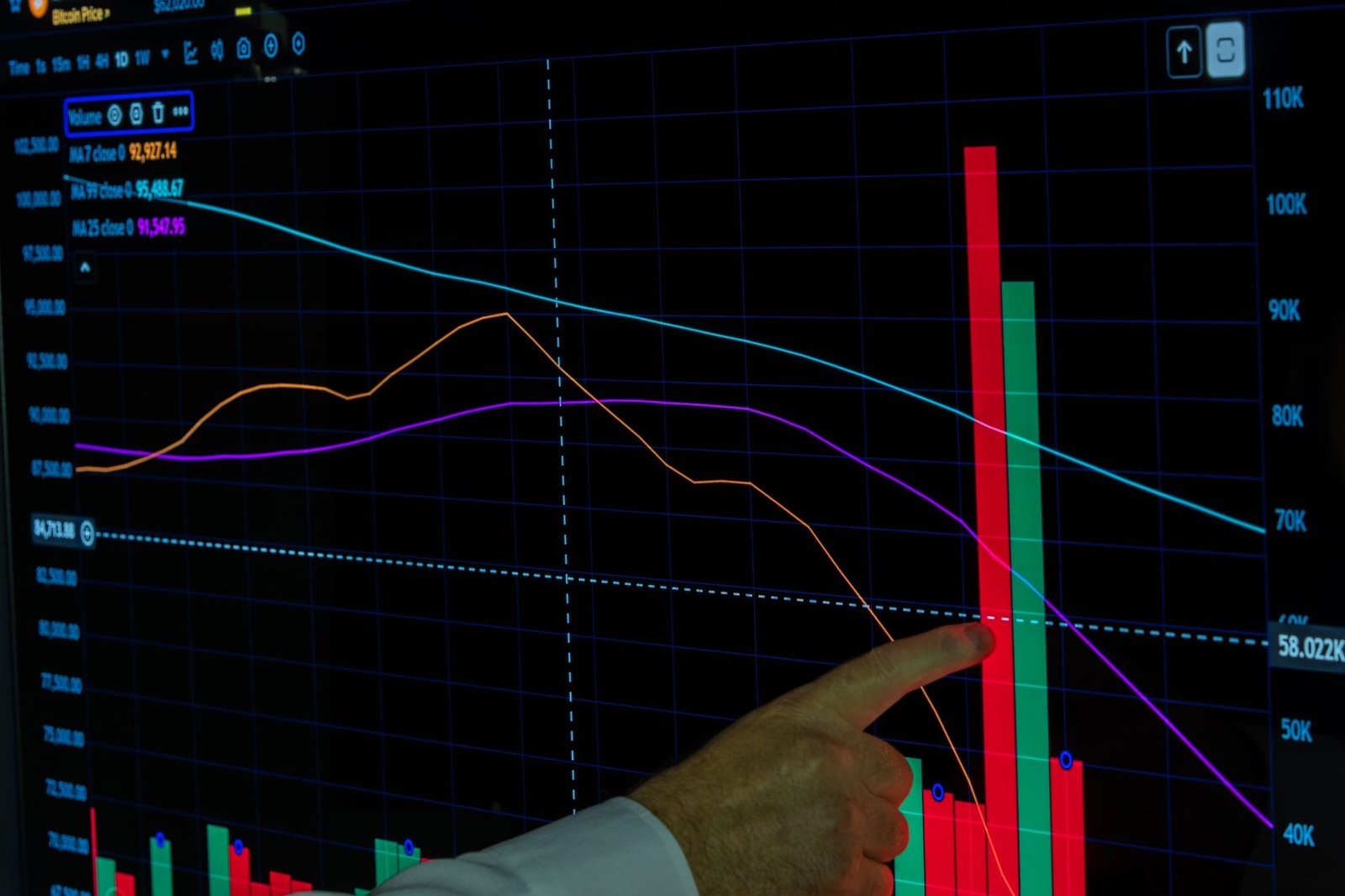
Japanese stocks gave up early gains in the latest Asian session as softening U.S. futures pointed to continued caution among investors. The move reflected a broader hesitation in global markets rather than any single dramatic catalyst.
Japan’s Nikkei 225 index slipped into negative territory after a promising open, tracking weakness in Nasdaq futures that suggested investors were pulling back from riskier assets. The reversal is a familiar pattern in Asian trading, where moves on Wall Street futures can quickly reshape sentiment across regional markets.
Nasdaq futures are a real-time indicator of where U.S. technology stocks may open. When they decline during Asian hours, it often signals that investors are reassessing appetite for growth-oriented equities — stocks whose valuations depend heavily on expectations of future earnings. That caution tends to ripple outward, including to markets like Tokyo that have close trading and investment ties with the United States.
Japan’s equity market has been sensitive to several crosscurrents in recent months. The yen’s direction, the Bank of Japan’s monetary policy path, and the health of U.S. demand for Japanese exports all weigh on investor sentiment. When U.S. futures weaken, it can raise concerns about American consumer and business spending — both important drivers of Japanese corporate profits.
More broadly, the session reflects a mood of measured caution across global markets. Investors continue to monitor signals from major central banks, including the U.S. Federal Reserve, about how long interest rates will remain elevated. Higher rates in the United States can draw capital away from overseas markets and strengthen the dollar, which complicates the picture for export-heavy economies like Japan’s.
Single-session moves in index futures do not always translate into lasting trends. But the Nikkei’s inability to hold its early gains suggests traders are remaining selective and are not ready to commit fully to risk-on positions until there is clearer direction from U.S. markets.
Investors will be watching the U.S. market open and any fresh economic data for guidance on whether this caution deepens or fades.