Oil prices and U.S. Treasury yields fell after the United States and Iran signaled a pause in their standoff, easing some of the geopolitical pressure that had been weighing on global markets. U.S. stocks ended the session without a clear direction, reflecting lingering uncertainty even as the immediate threat receded.
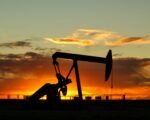
A diplomatic pause between the United States and Iran sent oil prices lower in recent trading, as traders unwound some of the risk premium that conflict in the Middle East typically builds into energy markets. When geopolitical tensions ease in a major oil-producing region, traders often sell crude quickly, since the fear of supply disruptions — not the disruptions themselves — had been driving prices higher.
Treasury yields also fell. Yields move in the opposite direction of prices, so when investors buy U.S. government bonds — often as a safe-haven move begins to reverse — yields drop. Lower yields can reflect a shift away from defensive positioning, with some investors feeling slightly more comfortable taking on risk again.
Despite that backdrop, U.S. stocks closed mixed, with no clear winner among the major indexes. That kind of split outcome often signals that markets remain cautious. Even when a specific threat fades, investors tend to stay alert to the next development, and a pause in diplomacy is not the same as a resolution.
Geopolitical events between the U.S. and Iran have historically moved three markets most sharply: oil, the dollar, and Treasury bonds. When tensions rise, oil climbs on supply-disruption fears, Treasuries rally as investors seek safety, and the dollar often strengthens. The reverse can happen when tensions ease — though the speed and scale of any reversal depends on how durable the diplomatic progress appears.
For the broader economy, lower oil prices, if sustained, tend to ease pressure on inflation. Energy costs feed into the price of goods and services across the economy, so a meaningful drop in crude can gradually show up in consumer prices. That would be a modest positive for the Federal Reserve, which has been focused on bringing inflation under control.
Markets will be watching whether the Iran-U.S. pause holds — any sign of renewed tension could quickly push oil prices and safe-haven demand back up.