The Philippines has long set ambitious targets to restore its depleted forests, but persistent gaps between policy goals and on-the-ground results are raising questions about the programme’s effectiveness — and its economic consequences.
Forests are more than an environmental concern. For an archipelago nation like the Philippines, tree cover is closely tied to water security, agricultural productivity, and the resilience of rural communities that depend on the land. When reforestation programmes underperform, the economic costs can be substantial and long-lasting.
The Philippines has been running large-scale regreening initiatives for decades, backed by government funding and international support. Yet satellite data and independent assessments have repeatedly shown a gap between the number of seedlings reportedly planted and the actual expansion of forest cover. Trees planted without adequate follow-up care, funding shortfalls, land tenure disputes, and illegal logging are among the factors researchers point to when explaining why the hectares counted in government reports often do not translate into surviving forest.
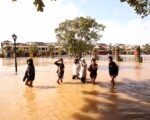
From a macroeconomic standpoint, deforestation and failed reforestation carry real costs. Degraded watersheds reduce agricultural yields and increase the cost of water management infrastructure. Increased vulnerability to flooding and landslides — hazards the Philippines faces frequently — raises disaster-recovery spending and disrupts local economies. Over time, loss of forest resources also undermines industries like timber, tourism, and non-timber forest products that rural households rely on.
International climate finance is another dimension worth watching. Countries that can credibly demonstrate forest restoration attract funding from global climate mechanisms. If the Philippines cannot verify that its regreening targets are being met, it risks losing access to that stream of capital, even as other developing nations compete for the same resources.
Governance and accountability are at the heart of the challenge. Experts who study forest policy argue that without robust monitoring systems, community involvement, and clear land rights, even well-funded planting programmes struggle to produce lasting results. The Philippines is not alone in this — similar patterns have been documented across Southeast Asia and other tropical regions.
Whether the Philippines can reform its reforestation programme to deliver verifiable, durable results will matter not just for its forests, but for the rural communities and broader economy that depend on them.