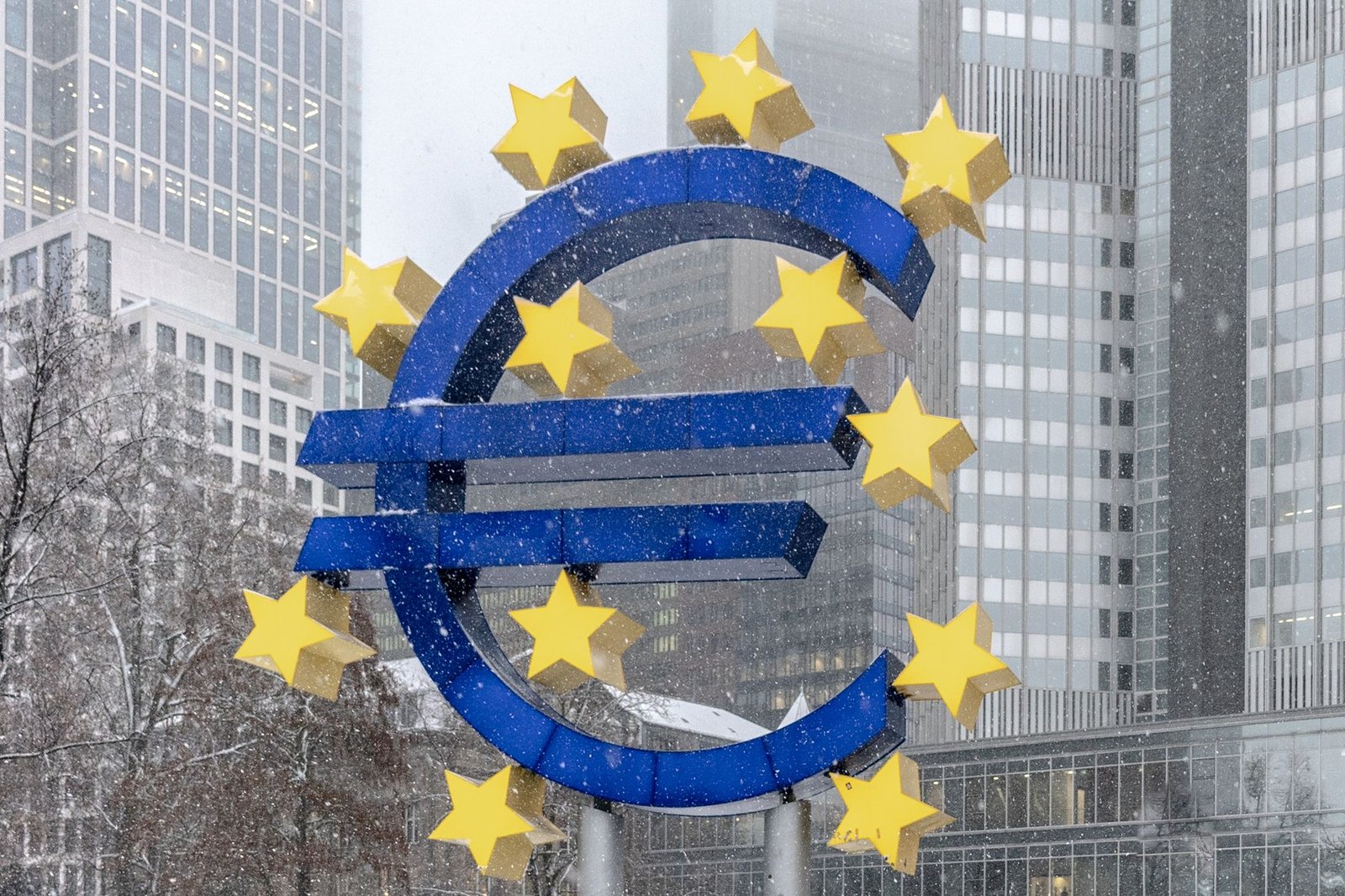
A senior official at the European Central Bank has warned that the climate crisis is becoming a growing threat to core financial stability, signaling that central banks are increasingly treating environmental risks as mainstream economic concerns.
A senior European Central Bank official has cautioned that climate-related risks are no longer a distant or secondary concern for financial regulators — they now pose a direct and growing threat to the stability of the financial system itself. The warning marks another step in the ECB’s effort to bring climate risk into the center of its supervisory and monetary policy frameworks.
Central banks have spent years debating how to weigh physical climate risks — such as floods, droughts, and extreme weather — alongside so-called transition risks, which arise when economies shift away from fossil fuels. Both types of risk can erode the value of assets held by banks and insurers, potentially triggering broader financial stress if large enough shocks occur at once.
The ECB has been among the more active major central banks on this front, incorporating climate scenarios into its bank stress tests and pushing eurozone lenders to better disclose and manage their exposure to climate-related losses. When a policymaker at the ECB frames climate as a threat to “core” financial stability, it suggests the institution views these risks not as a future concern but as a present-day supervisory priority.
For investors and financial institutions, central bank attention to climate risk has practical consequences. Banks may face pressure to hold more capital against climate-exposed loans, and assets linked to high-emission industries could attract greater regulatory scrutiny. That, in turn, can affect borrowing costs and credit availability across whole sectors of the economy.
The warning also comes as Europe grapples with a string of costly weather events in recent years, which have put pressure on insurers and raised questions about the long-term viability of coverage in vulnerable regions. When insurance becomes unavailable or unaffordable, homeowners and businesses carry more risk directly — a dynamic that can feed back into bank loan books and consumer finances.
Investors and financial institutions will be watching for whether the ECB’s climate-stability concerns translate into concrete regulatory requirements in the months ahead.