A fresh escalation in hostilities between the United States and Iran is drawing attention to the parts of the economy and financial markets most exposed to conflict in the Middle East — from energy prices to defense spending and global shipping routes.
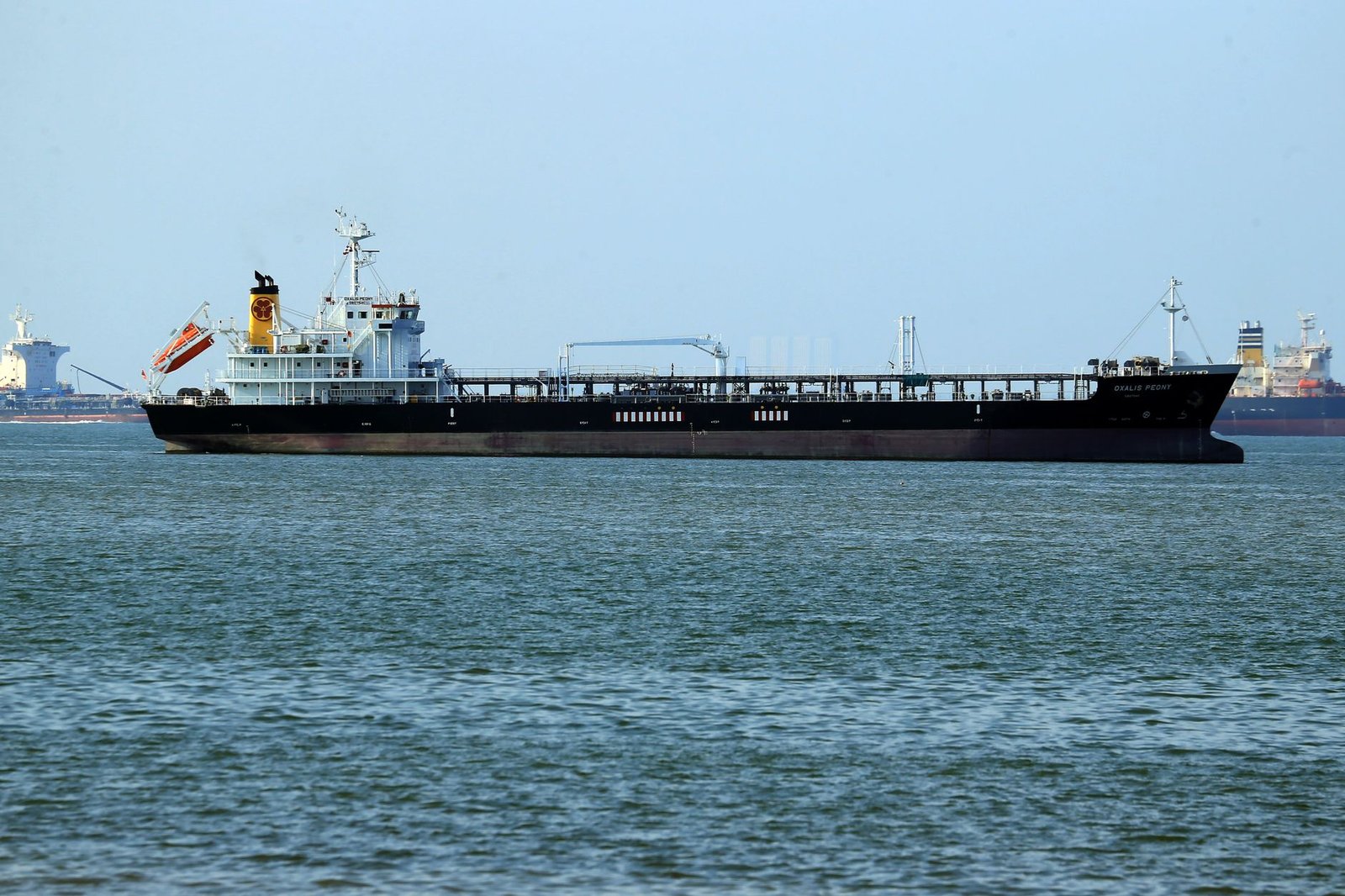
When tensions rise between the U.S. and Iran, a handful of economic pressure points come into sharp focus. The most immediate is oil. Iran is a significant crude producer, and any disruption to its output or to shipping through the Strait of Hormuz — the narrow waterway through which roughly a fifth of the world’s oil passes — can push energy prices higher quickly. Higher oil prices feed through to gasoline costs for consumers and raise operating expenses for businesses that depend on fuel, from airlines to manufacturers.
Energy stocks tend to benefit in this environment, at least in the short run. When crude prices rise, the revenues of oil and gas producers usually follow. Defense and aerospace companies are also closely watched during geopolitical flare-ups, as markets anticipate higher government spending on weapons, equipment, and military readiness.
On the other side of the ledger, industries that depend on stable global supply chains face added risk. Shipping insurers raise premiums when routes through the Persian Gulf become less predictable, and those costs get passed along. Consumer-facing sectors that rely on affordable energy — airlines, trucking, and retail — can see margins squeezed if oil stays elevated for long.
For the broader stock market, geopolitical uncertainty tends to increase volatility. Investors often move toward assets seen as safer — U.S. Treasury bonds, gold, and the U.S. dollar — when conflict risk rises. That shift can put pressure on riskier assets like equities, particularly in emerging markets with closer ties to the region.
The Federal Reserve is also indirectly affected. If an energy shock pushes inflation higher, it complicates the central bank’s ability to cut interest rates, even if the broader economy is slowing. That combination — higher prices alongside weaker growth — is one policymakers prefer to avoid.
The situation remains fluid, and the degree of market impact will depend on how events develop. A contained episode may produce only brief market moves, while a broader or sustained conflict would carry more lasting economic consequences. Investors and analysts are watching oil prices, shipping data, and diplomatic signals closely for clues about which direction things are heading.
Energy markets and defense-related assets are the clearest indicators to watch as the situation between the U.S. and Iran continues to unfold.