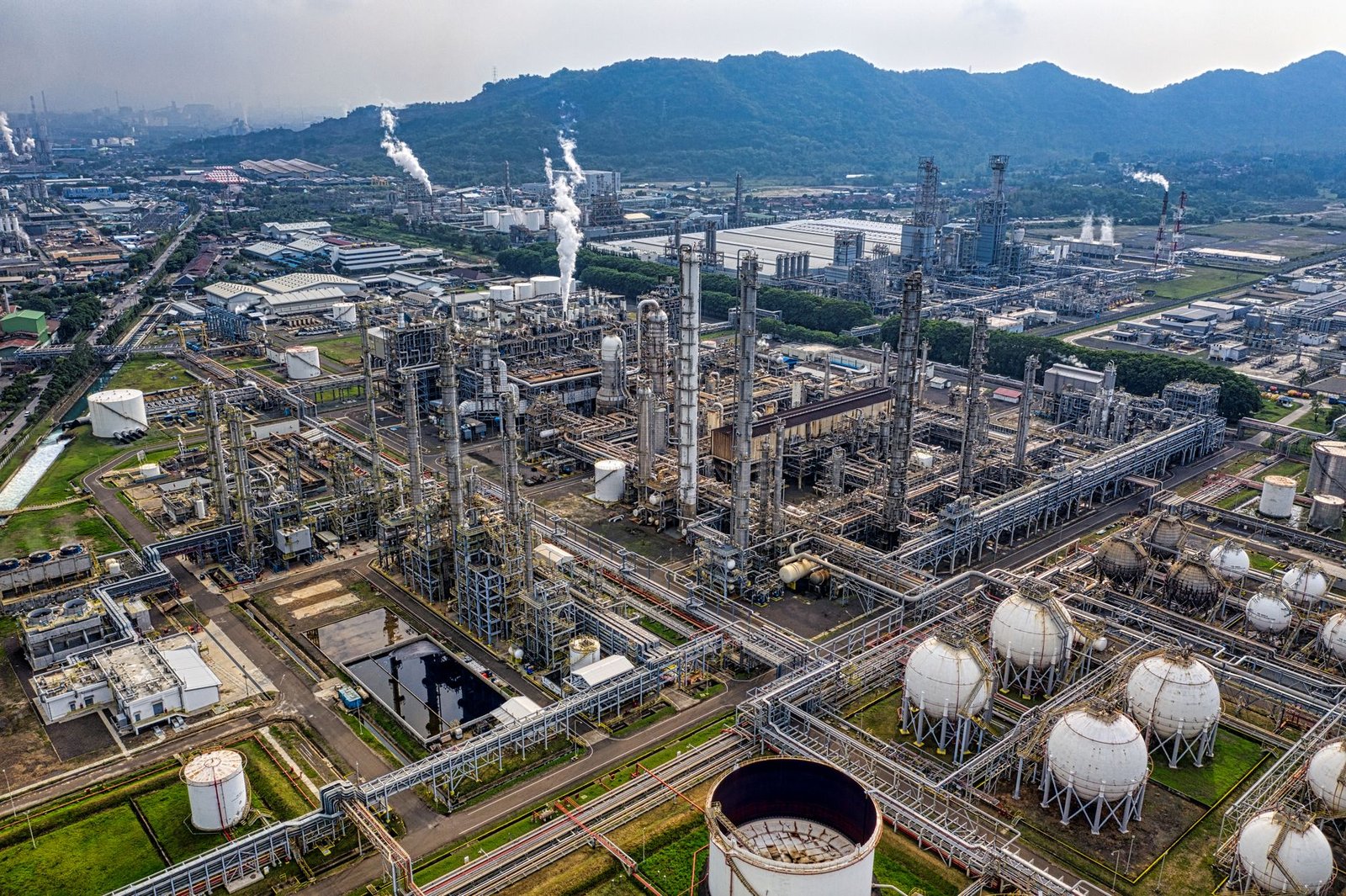
A renewed surge in oil prices is creating new headwinds for the global economy, threatening to push inflation higher, slow growth, and complicate the decisions of central banks around the world.
Oil price shocks have a long history of rattling economies, and the latest episode is no different. When energy costs rise sharply, the effects ripple broadly: businesses face higher input costs, consumers spend more at the pump and on heating, and profit margins across industries come under pressure. The cumulative drag can slow spending, reduce business investment, and weigh on economic output.
For central banks, a sustained rise in oil prices creates a difficult dilemma. Higher energy costs tend to push consumer price indexes upward, which could prompt policymakers to keep interest rates elevated for longer — even in economies where growth is already softening. The Federal Reserve and its counterparts in Europe and Asia have spent the past several years fighting inflation, and an oil-driven price spike could set that work back.
Emerging market economies are especially vulnerable. Many developing nations import the bulk of their energy, meaning a rise in global oil prices increases their import bills, puts pressure on their currencies, and can widen trade deficits. For countries that are already managing elevated debt levels, the added strain can be significant.
Global growth forecasts have been revised downward several times in recent years due to a combination of geopolitical uncertainty, trade disruptions, and the lagging effects of high interest rates. An energy shock layered on top of those existing pressures narrows the margin for error for policymakers and finance ministers worldwide.
Commodity markets remain sensitive to supply disruptions, geopolitical developments in major oil-producing regions, and shifts in demand from large economies like China. Any one of those factors can move prices quickly, making the current environment one that warrants close attention from investors and policymakers alike.
How long the energy pressure persists — and whether central banks respond — will be key factors shaping the global economic outlook in the months ahead.