Heightened rhetoric and reported exchanges of attacks between Iran and the United States are drawing fresh attention to the Strait of Hormuz, the narrow waterway through which a significant share of the world’s oil supply passes. Markets and analysts are watching closely for signs of supply disruption.
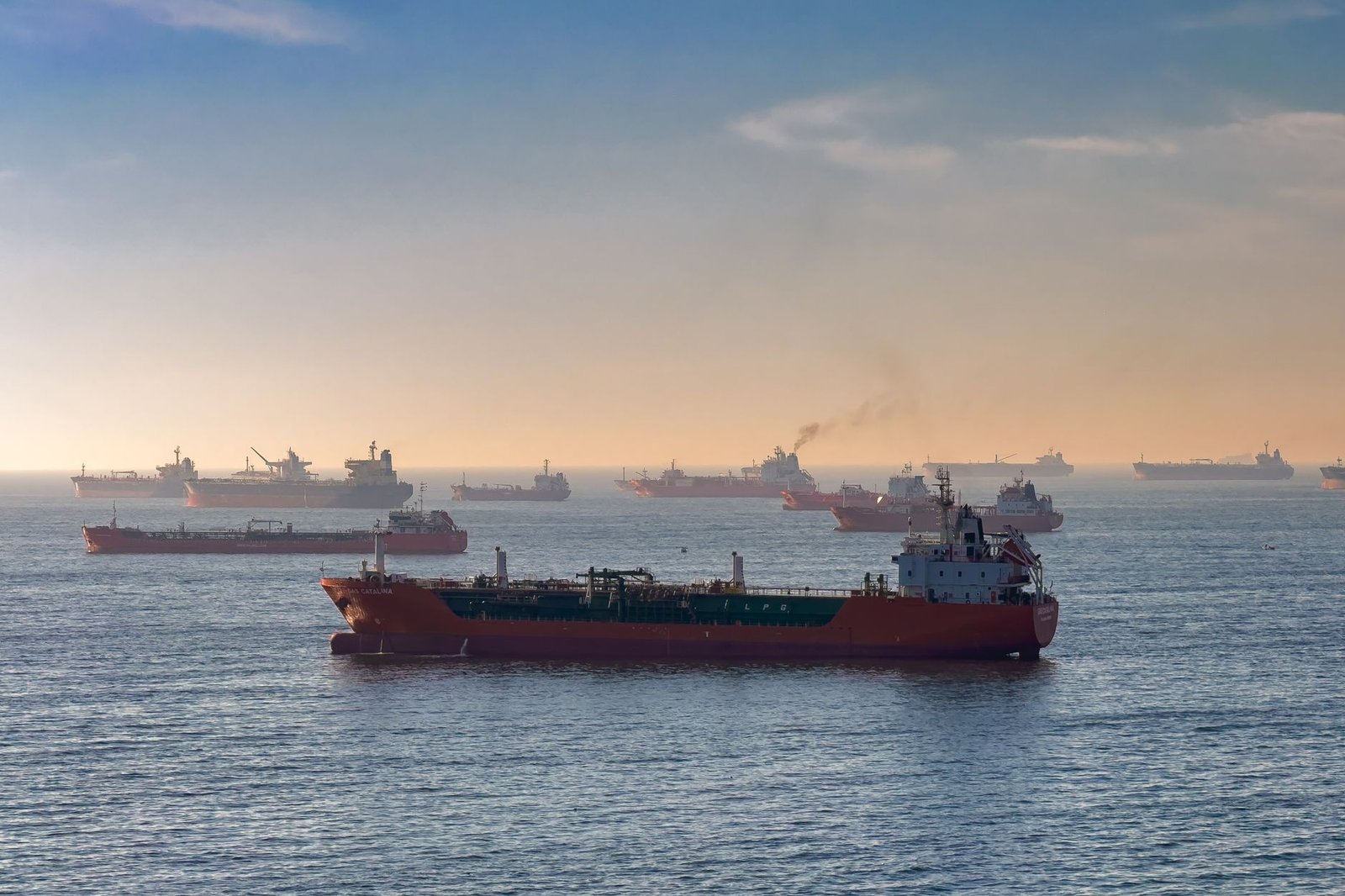
The Strait of Hormuz has returned to the center of global energy and market risk conversations as tensions between Iran and the United States have intensified in recent days. The strait — a roughly 20-mile-wide chokepoint between Iran and the Arabian Peninsula — handles an estimated one-fifth of the world’s seaborne oil trade. Any serious disruption there would ripple quickly through energy markets and, in turn, through the broader global economy.
Analysts note that both sides have engaged in sharp rhetoric and that some reported exchanges have raised concern. At the same time, many observers believe diplomacy remains a live option, and there are no confirmed signs yet that commercial shipping has been materially disrupted. The situation is fluid, and the picture could change quickly.
For oil markets, even the threat of Hormuz disruption tends to move prices. When traders perceive meaningful risk to tanker traffic in the Gulf, crude benchmarks typically climb as buyers price in a potential supply shock. Higher oil prices, if sustained, filter into transportation costs, manufacturing input costs, and eventually consumer prices — making the situation relevant not just for energy markets but for the inflation outlook in importing countries, including the United States and much of Europe.
Bond markets also pay attention. In past episodes of Gulf tensions, investors have at times shifted toward safe-haven assets — most commonly U.S. Treasury bonds and gold — as a hedge against uncertainty. Whether that pattern reasserts itself depends heavily on how the situation develops.
Central banks, particularly the Federal Reserve and the European Central Bank, have been trying to keep inflation in check after several years of elevated price pressures. A sustained oil spike driven by Hormuz disruption could complicate those efforts, potentially putting upward pressure on energy-driven inflation at a sensitive moment in the global rate cycle.
For now, analysts caution against assuming the worst. Past episodes of elevated Iran-U.S. tension have frequently de-escalated without lasting damage to shipping lanes. The Strait of Hormuz has not been fully closed in modern history, in part because Iran itself depends on the waterway for its own oil exports. Still, partial disruptions, insurance cost spikes, or shipping route changes could be enough to move prices even short of a full blockage.
The path of Iran-U.S. diplomacy in the coming days will be the key variable to watch for oil prices and global energy markets.