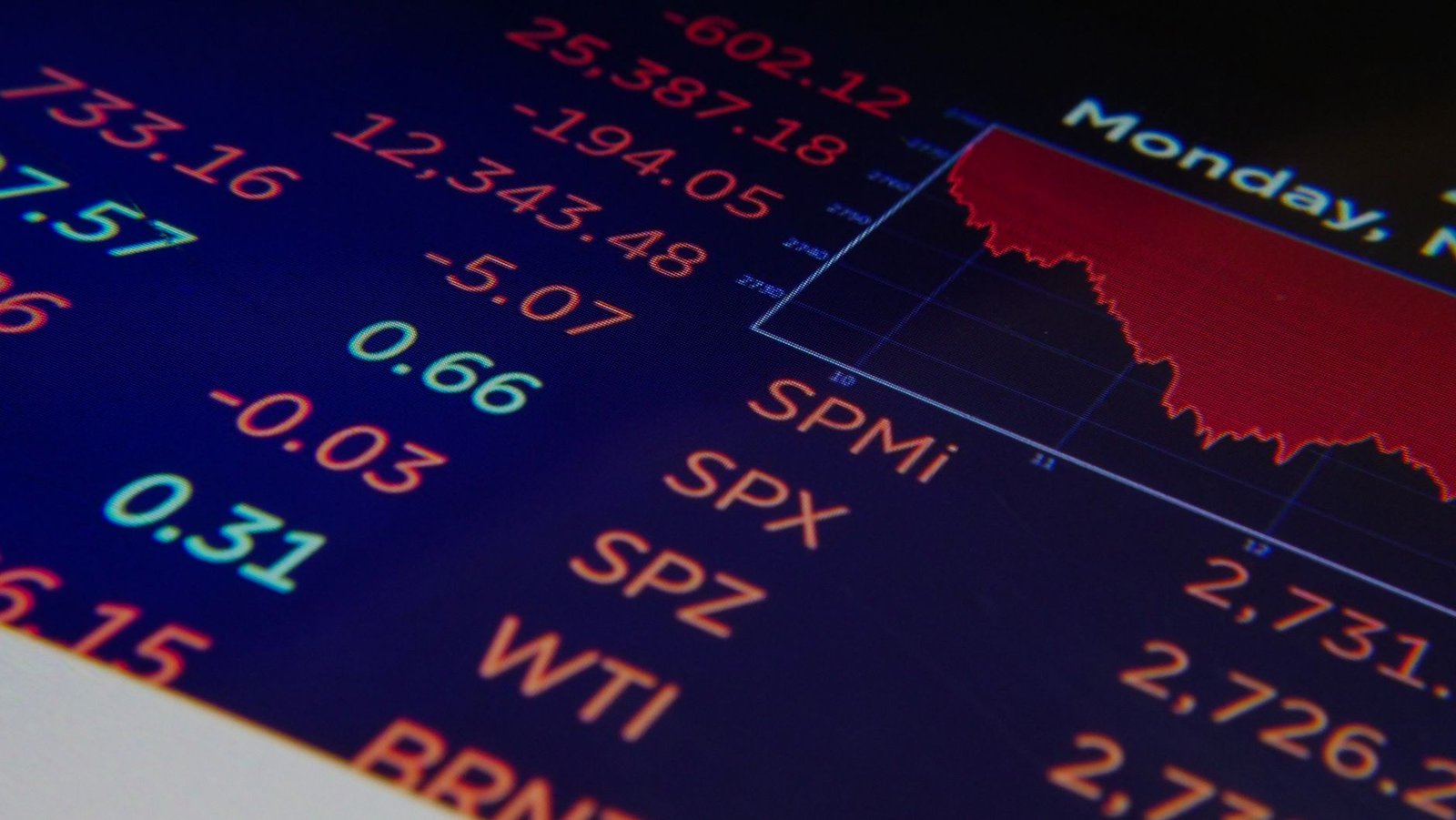
A stronger-than-expected May jobs report pushed up expectations for further Federal Reserve interest rate increases, pulling stocks down and hitting technology shares especially hard.
Wall Street fell in recent trading after the May employment report showed the U.S. labor market remains resilient, a sign that the Federal Reserve may have more work to do to bring inflation under control. Large technology stocks bore the brunt of the selling, dragging major indexes lower.
A robust jobs report tends to complicate the Fed’s task. When hiring stays strong and unemployment stays low, consumer spending holds up, which can keep prices elevated. That leaves the central bank less reason to pause or cut interest rates — and markets repriced accordingly, pushing up the odds of additional rate increases.
Higher interest rates are particularly punishing for technology and growth stocks. These companies are valued largely on profits expected far into the future. When rates rise, those future profits are worth less in today’s dollars — a concept known as discounting — so investors tend to sell. That dynamic played out clearly in recent trading, with the tech-heavy portions of the market falling more sharply than the broader indexes.
Bond markets also reflected the shift. When investors expect rates to stay higher for longer, yields on U.S. Treasury bonds tend to rise as prices fall. Higher yields effectively raise borrowing costs across the economy — for businesses, homebuyers, and consumers alike.
The May jobs data adds to a picture of an economy that has proven more durable than many forecasters expected. While that resilience is broadly good news for workers, it complicates the path toward lower borrowing costs. The Federal Reserve has repeatedly said it needs to see convincing evidence that the labor market is cooling and that inflation is heading sustainably back to its 2% target before it will ease policy.
Investors will now watch upcoming inflation data closely. If price readings also come in firm, the case for another rate increase — or at least a prolonged hold — grows stronger. If inflation continues to soften even as hiring stays solid, the Fed faces a more nuanced decision about when and how much to adjust rates.
The next major data points to watch are upcoming consumer price index readings and any fresh signals from Federal Reserve officials on their rate outlook.