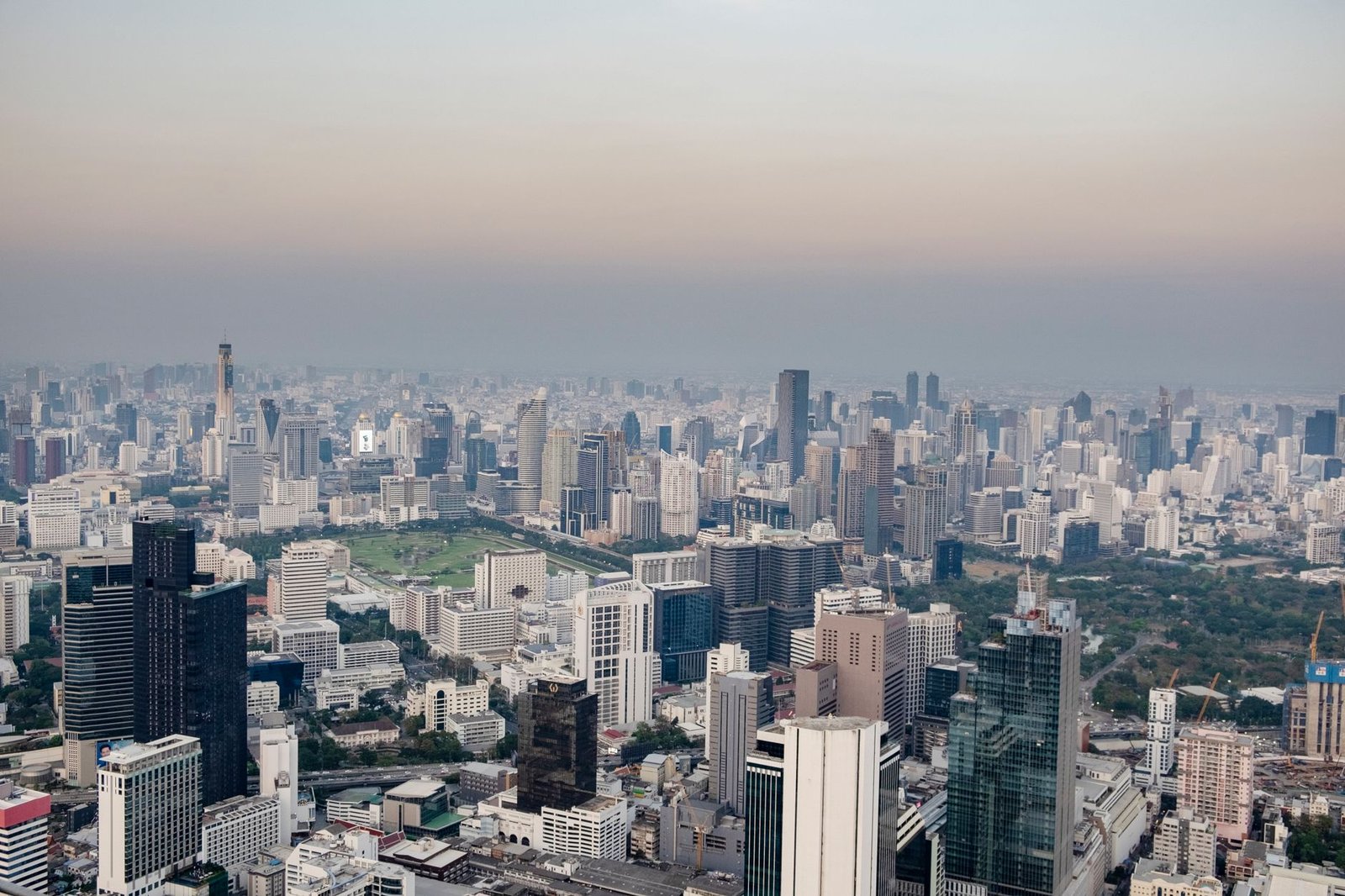
Thai officials are using the sidelines of the IMF–World Bank annual meetings to push for stronger trade ties and a boost to the country’s vital tourism sector, as the Southeast Asian economy looks for new sources of growth.
Thailand is positioning itself as an open and investment-friendly economy at one of the world’s most prominent gatherings of finance ministers and central bank governors. The annual IMF–World Bank meetings bring together policymakers from more than 180 countries, making them a key venue for bilateral economic discussions and deal-making on the margins of the formal agenda.
For Thailand, the stakes are meaningful. The country’s economy leans heavily on tourism, which before the pandemic accounted for roughly one-fifth of gross domestic product. A full recovery in visitor numbers remains a priority, and officials are using the high-profile setting to highlight Thailand as a destination for both travelers and foreign direct investment.
Trade is the other pillar of the push. Global supply chains have been reshuffling in recent years as companies seek alternatives to concentrated manufacturing in any single country. Thailand, with its established industrial base in automotive parts, electronics, and agriculture, has been actively courting firms looking to diversify production — a trend sometimes called “China-plus-one” sourcing.
The broader backdrop at these meetings is one of cautious optimism mixed with persistent uncertainty. The IMF has flagged slowing global growth, elevated interest rates in major economies, and ongoing geopolitical tensions as headwinds for trade-dependent nations like Thailand. A stronger dollar, driven in part by the Federal Reserve’s rate posture, also puts pressure on emerging-market currencies and makes debt servicing more expensive for countries with dollar-denominated borrowings.
Still, Southeast Asia as a region has fared relatively well compared with other emerging markets, and Thailand’s government appears intent on converting that relative resilience into concrete economic partnerships while the world’s financial leadership is gathered in one place.
Watch for any trade or investment agreements announced in the days following the meetings, which could signal progress on Thailand’s growth agenda.