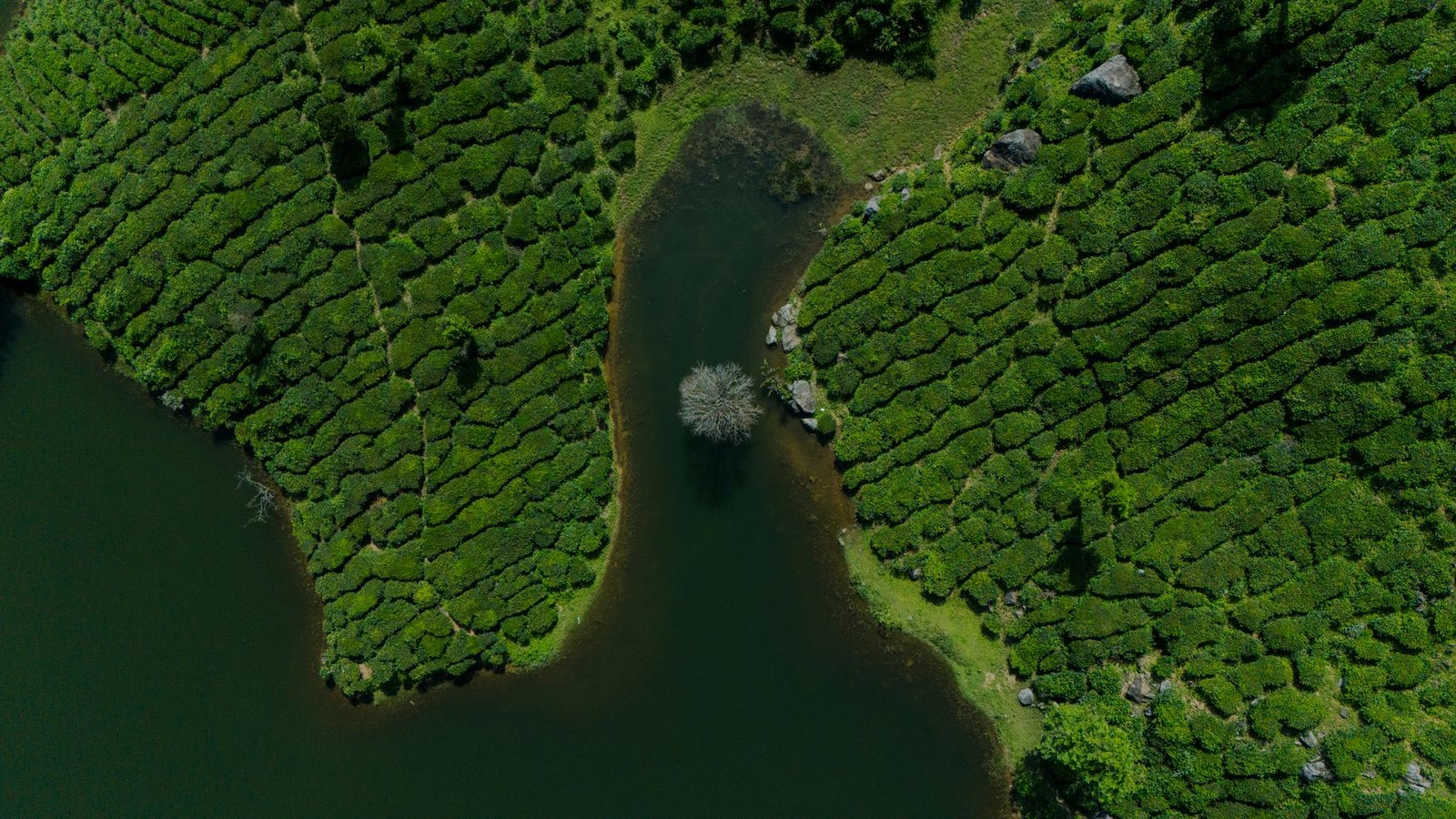
India is one of the world’s largest producers and consumers of tea, but the industry faces a complex mix of domestic demand trends, export competition, and cost pressures that are reshaping its economic footprint.
Tea is one of India’s most important agricultural industries, employing millions of workers on plantations concentrated in states such as Assam, West Bengal, and Tamil Nadu. The country ranks among the top two or three tea producers globally, alongside China and Kenya, and is also one of the largest consumers — a rare combination that gives the sector a dual economic role.
On the production side, Indian tea output is closely tied to weather patterns, particularly monsoon cycles and temperature variation. Erratic rainfall or drought conditions can reduce yields significantly, pushing up domestic prices and squeezing margins for producers who also face rising labor and energy costs.
India’s tea export market has grown more competitive over recent decades. Kenya and Sri Lanka have steadily increased their share of global tea trade, often at lower price points. This pressure has pushed Indian exporters to emphasize premium and specialty teas — including Darjeeling and orthodox varieties — that can command higher prices in markets like Europe, the United States, and the Middle East.
At home, consumption patterns are also shifting. While traditional chai culture keeps mass-market black tea demand robust, younger urban consumers are showing greater interest in green teas, herbal infusions, and packaged premium products. This gradual shift is prompting producers and brands to diversify their portfolios.
For India’s broader economy, the tea sector matters beyond its direct output. It supports rural employment and foreign exchange earnings, and it is sensitive to currency moves — a stronger rupee can make Indian tea less competitive abroad, while a weaker rupee boosts export revenues in dollar terms.
Investors and trade watchers will be monitoring monsoon forecasts, global commodity prices, and India’s currency trajectory as key indicators for the tea sector’s near-term performance.