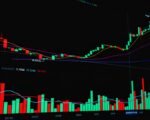
American equity indexes advanced in the latest session, lifted by a broad rebound in semiconductor stocks and falling oil prices that eased cost pressures across the economy.
The Dow Jones Industrial Average, S&P 500, and Nasdaq Composite all finished higher, as investors rotated back into technology and chip-related shares after a period of weakness. Semiconductor companies, which had faced selling pressure in recent weeks over concerns about global demand and trade policy, staged a notable recovery.
Chipmakers sit at the heart of the modern economy — their products power smartphones, data centers, automobiles, and artificial intelligence systems. When chip stocks rebound, it often signals renewed investor confidence in the broader technology sector and in global growth expectations.
Oil prices declined in the same session, providing a separate tailwind for markets. Lower energy costs tend to reduce expenses for businesses and households alike, which can ease inflation pressures and support consumer spending. When oil falls, it also reduces costs for airlines, manufacturers, and freight companies — sectors that tend to benefit quickly from cheaper fuel.
The combination of tech strength and lower energy prices created a broadly positive backdrop for risk assets. Bond markets, which can move in the opposite direction from stocks when growth optimism rises, will be watched closely to see whether yields respond to the improved sentiment.
Investors remain attentive to the Federal Reserve’s next moves on interest rates. Falling oil prices, if sustained, could help slow inflation — a development that might give the Fed more room to consider rate adjustments later this year. However, one session’s data rarely shifts the broader monetary policy outlook on its own.
Trading volumes and the durability of the chip-stock rally will be key to watch in the days ahead, as will any fresh economic data on jobs, inflation, or consumer spending that could reshape investor expectations.
The next major test for markets will come from upcoming economic data and any fresh signals from Federal Reserve officials on the path of interest rates.