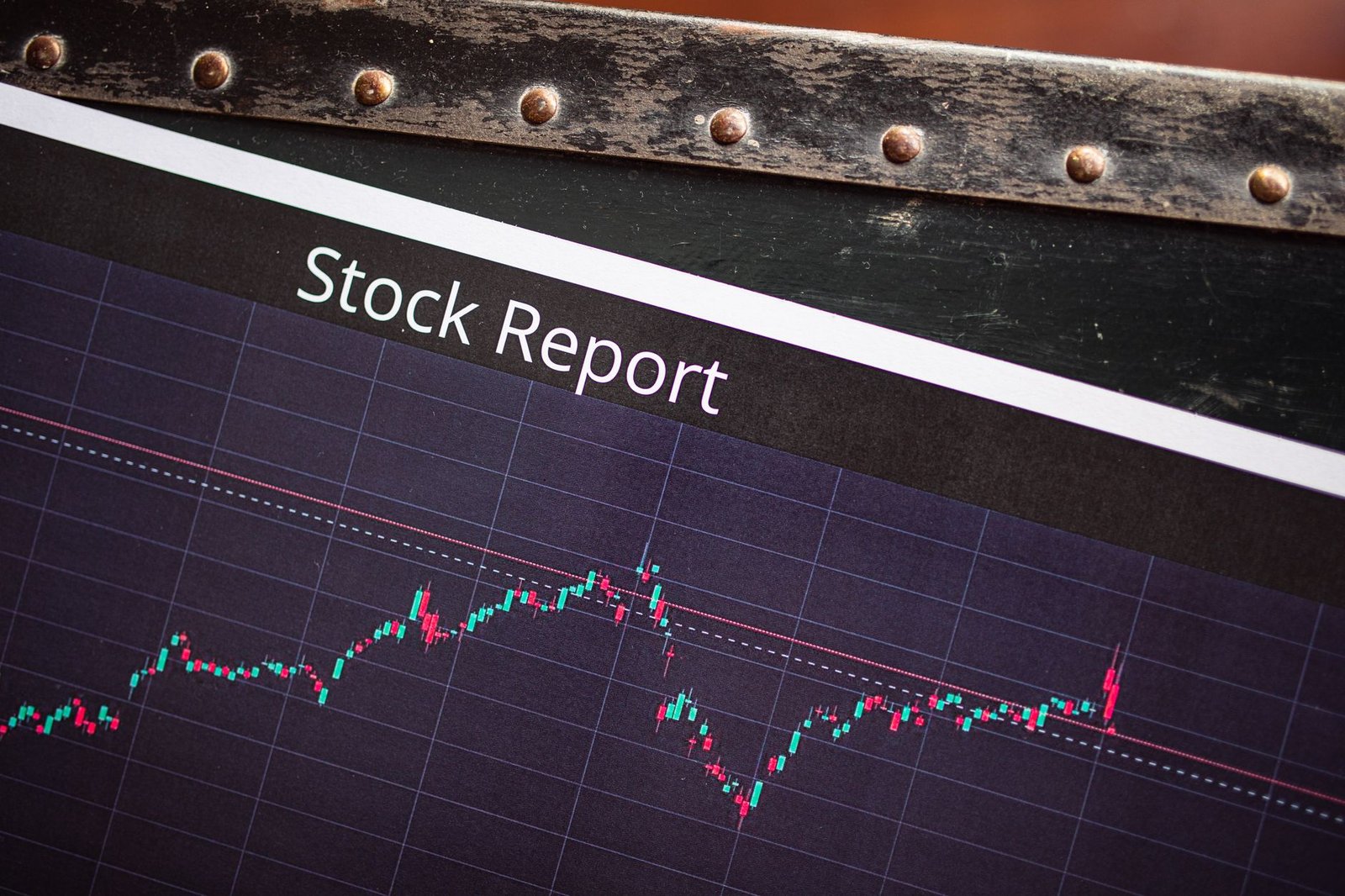
U.S. stock futures fell in early trading as investors pulled back from technology shares, bond yields climbed, and concerns about tensions involving Iran added to the cautious mood on Wall Street.
A convergence of pressures pushed U.S. equity futures lower in recent trading, with three separate forces — a retreat in technology stocks, higher bond yields, and geopolitical uncertainty in the Middle East — each weighing on investor sentiment at the same time.
Technology shares have been among the biggest drivers of Wall Street’s gains in recent years, so when that sector stumbles, broader indexes tend to feel the pull. A broad selloff in tech names can reflect concern about stretched valuations, slowing earnings growth, or simply profit-taking after a strong run. Any of those forces can become self-reinforcing in a risk-off session.
Rising bond yields add a separate layer of pressure. When yields on U.S. Treasuries move higher, they raise the cost of borrowing across the economy and make the guaranteed returns on bonds more competitive against the uncertain returns from stocks. That dynamic tends to hit high-growth, high-valuation technology companies hardest, since their appeal is built largely on future earnings that are worth less when discounted at higher interest rates.
Geopolitical risk involving Iran introduced a third headwind. Tensions in the Middle East can push oil prices higher, stoke inflation concerns, and prompt investors to move toward safer assets. When multiple risk factors appear at once, the combined effect on market sentiment can be greater than any single factor alone.
It is worth noting that futures moves do not always translate directly into full-session results. Markets can stabilize or reverse once formal trading begins, depending on economic data, earnings reports, or shifts in the news flow. Still, the early-session mood reflected a broad preference for caution across asset classes.
Investors will be watching bond yields, oil prices, and any developments on the geopolitical front for clues about whether selling pressure eases or deepens.