A growing body of economic thinking warns that the world economy is more fragile than headline growth numbers suggest — because critical systems, like a chain, are only as strong as their weakest link.
The global economy looks reasonably stable from a distance. But economists and policymakers are paying closer attention to what might be called “O-ring” risks — the idea that a single failure in a tightly connected system can bring the whole thing down.
The term comes from the 1986 Space Shuttle Challenger disaster, in which a single small rubber seal, an O-ring, failed and caused a catastrophic outcome. Economist Michael Kremer later used the concept to explain how complex production processes work: if any one part fails, the entire output is compromised. That logic applies with striking force to the modern global economy.
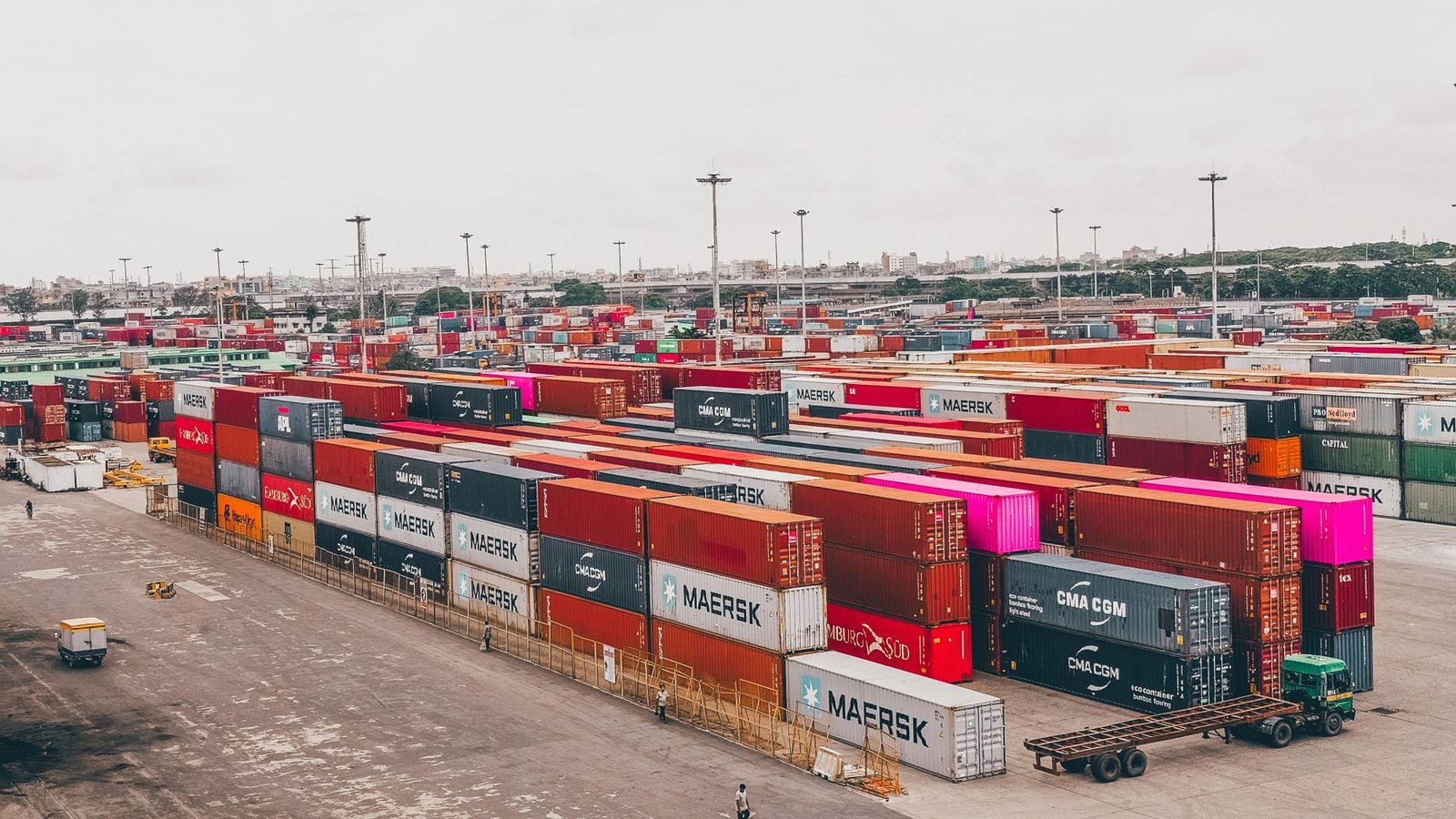
Today’s global supply chains, payment systems, and financial networks are deeply interlocked. A disruption in one node — a key semiconductor manufacturer, a major shipping corridor, a systemically important bank — can ripple outward far beyond what the size of the original shock would suggest. This is not a theoretical concern. The disruptions of recent years, from pandemic-era factory shutdowns to regional banking stress, have demonstrated how quickly localized problems become global ones.
Policymakers at the International Monetary Fund, major central banks, and finance ministries have increasingly flagged this kind of interconnection risk in their financial stability reports. The worry is not any single catastrophic event on the horizon, but the accumulated brittleness of systems that have been optimized for efficiency rather than resilience.
For investors and everyday households, this matters because it shapes how economies respond to shocks. In a robust system, a problem in one area is absorbed and contained. In an O-ring system, it spreads. That asymmetry — small probabilities but large consequences — is one reason financial markets can move sharply on news that initially seems distant or contained.
Addressing O-ring risk typically means investing in redundancy: backup suppliers, diversified trade relationships, deeper capital buffers in the financial system. Those things cost money in the short run. Governments and businesses have been slow to make that trade-off, which is why the underlying vulnerability remains a live concern for macroeconomic stability.
Analysts say the key question is whether policymakers act to build resilience before the next weak link is tested — or after.