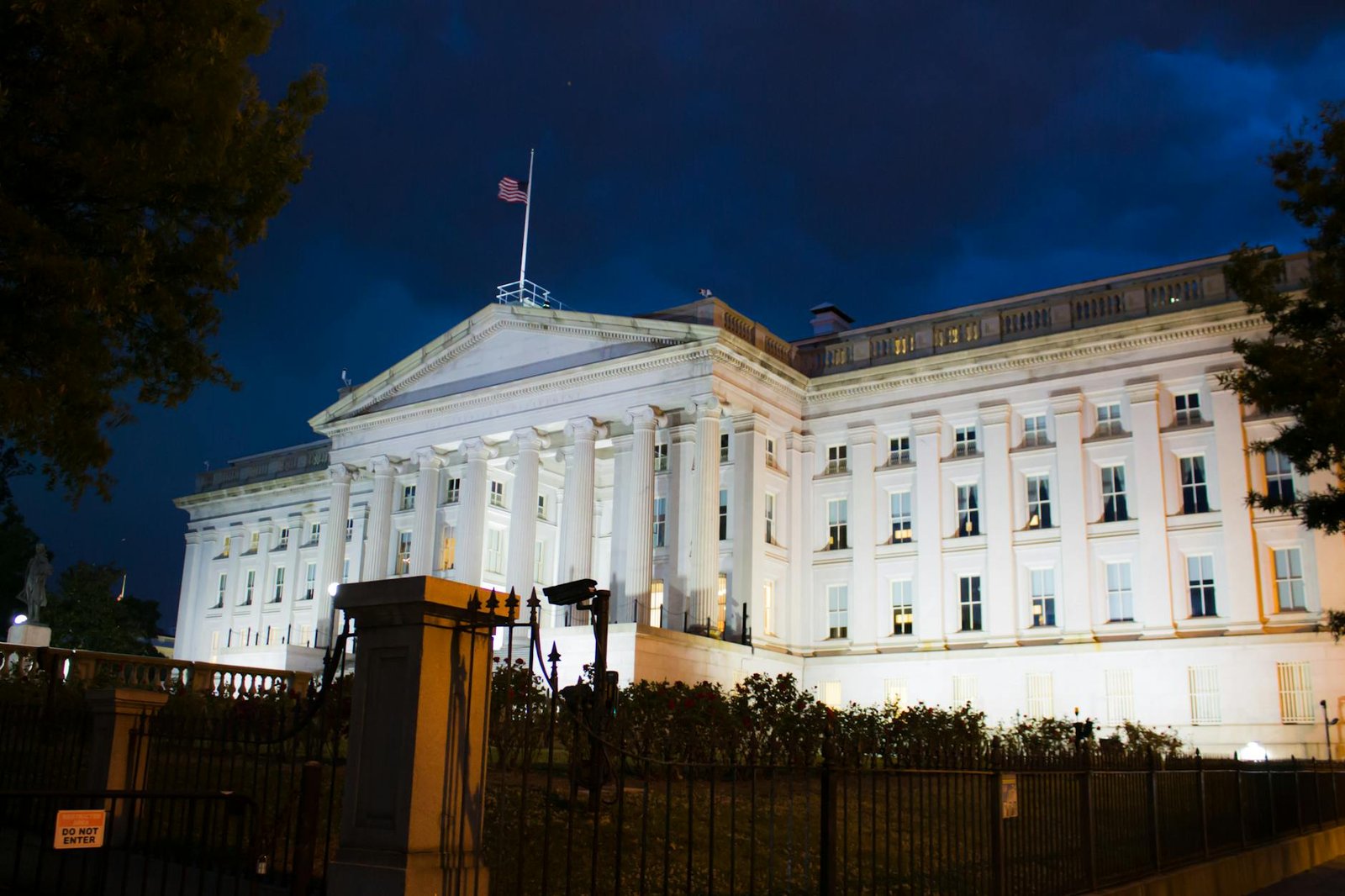
The Federal Reserve faces a narrowing set of options as it tries to balance stubborn inflation against slowing growth — and financial markets are growing increasingly sensitive to which way policymakers lean.
The Federal Reserve is navigating one of the more difficult stretches in recent monetary policy history. On one side sits inflation that has proven slower to cool than expected. On the other sits a labor market and broader economy showing signs of strain. That tension leaves the Fed with no easy move — and investors are beginning to price in the risk that the central bank could be slow to respond in either direction.
When the Fed raises interest rates, it makes borrowing more expensive throughout the economy — for mortgages, car loans, business credit, and more. The goal is to cool demand and bring prices down. But if rates stay high for too long while growth weakens, the risk shifts toward recession. That is the core of the current dilemma: acting too soon could reignite inflation, while waiting too long could tip the economy into contraction.
Stock markets tend to be sensitive to this kind of uncertainty. Equities generally do well when investors believe the Fed will cut rates, because lower rates reduce the cost of borrowing and can boost corporate profits. When that rate-cut timeline gets pushed back — or when doubts grow about the Fed’s next move — stocks often pull back as investors reassess valuations.
Adding to the complexity is the broader question of Fed leadership and direction. Any change in how the central bank communicates its priorities, or how aggressively it weighs inflation versus employment, can ripple through bond and stock markets quickly. Investors closely track Fed officials’ public statements for any signal of a shift in thinking.
For now, the Fed’s benchmark interest rate remains at a level designed to restrain economic activity. Policymakers have repeatedly said they want to see more evidence that inflation is sustainably moving toward their 2% target before making cuts. But each new economic data release — jobs numbers, inflation readings, consumer spending figures — can tilt that calculus in one direction or the other.
Watch for upcoming inflation and jobs data, as both will shape how much room the Fed believes it has to act — or wait.