Four of the world’s leading international economic institutions have jointly raised alarms about the dangers of a splintering global trading system and mounting energy-related vulnerabilities — a rare coordinated signal that the risks to growth are broadening.
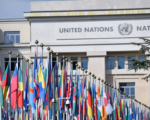
The International Monetary Fund, the World Bank, the World Trade Organization, and the International Energy Agency have collectively cautioned that growing fragmentation in global trade, combined with energy supply risks, poses a meaningful threat to the stability of the world economy. The joint nature of the warning underscores how seriously these bodies view the current environment.
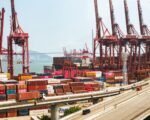
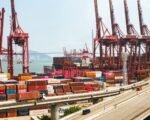
Trade fragmentation — the breaking apart of the integrated global supply chains that have underpinned economic growth for decades — has accelerated in recent years. Tariffs, export controls, and geopolitical rivalry have pushed countries and blocs to source goods closer to home or from trusted partners only. While that shift may offer some resilience in certain scenarios, it also raises costs, reduces efficiency, and can slow the flow of goods and capital that drives global prosperity.
Energy is a closely connected concern. Disruptions to fuel supply chains, price volatility, and the uneven pace of the transition away from fossil fuels all create uncertainty for governments, businesses, and households worldwide. When energy costs rise sharply, they feed through into broader inflation and can weaken consumer spending and industrial output across multiple economies simultaneously.
For developing nations, the combined pressure of trade disruption and energy instability tends to hit hardest. Many lower-income countries depend heavily on commodity exports and imported energy, leaving them with less room to absorb shocks than wealthier economies with deeper financial buffers.
The coordinated message from these institutions — each with a distinct but overlapping mandate covering finance, development, trade, and energy — reflects a shared view that the risks are not isolated. Policymakers watching global growth, inflation, and financial stability will be tracking whether these warnings translate into any concrete multilateral action, or whether geopolitical divisions make coordination increasingly difficult.
How governments respond to these combined pressures — through trade negotiations, energy investment, or multilateral cooperation — will be a key factor shaping the global economic outlook in the months ahead.