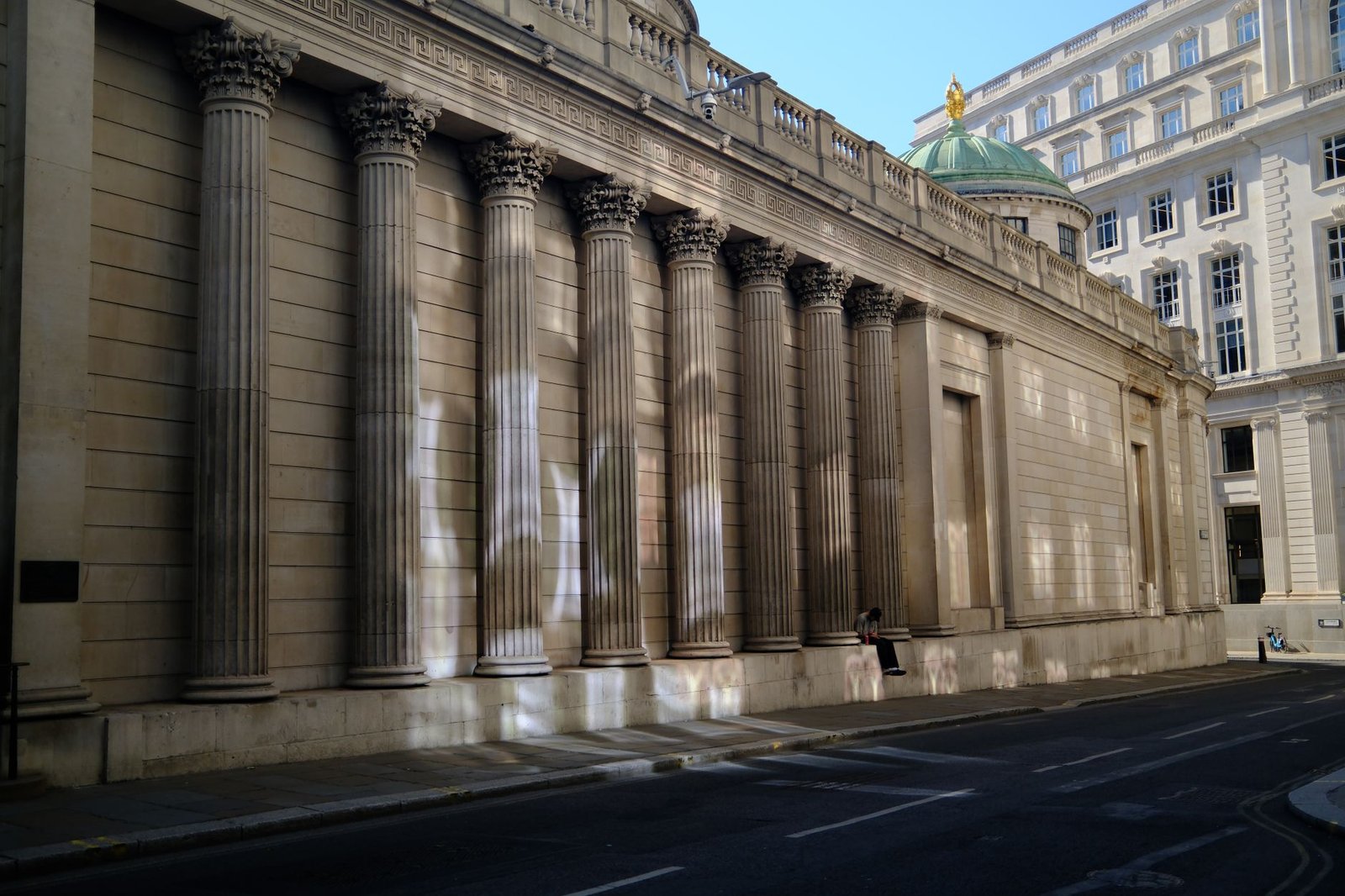
The Bank of England is monitoring signs that inflation in the United Kingdom may be easing, even as policymakers consider whether additional interest rate increases are needed to bring price growth fully under control.
The Bank of England finds itself at a familiar crossroads: inflation appears to be losing some of its momentum, yet officials have not ruled out pushing borrowing costs higher still. It is a balancing act that central banks across the developed world have been navigating for the better part of three years.
When inflation cools, it can signal that higher interest rates are working as intended — making borrowing more expensive slows spending, which in turn takes pressure off prices. But central bankers are typically cautious about declaring victory too soon. A premature pause in rate hikes, history has shown, can allow inflation to rebound and become harder to stamp out the second time around.
The Bank of England has been among the more aggressive rate-hiking institutions in the developed world in recent years, lifting its benchmark rate from near zero to multi-decade highs in response to a surge in consumer prices driven by energy costs, supply-chain disruptions, and strong wage growth. UK inflation has historically been sensitive to import prices and energy, given the country’s relatively high dependence on global commodities.
Markets will be watching closely for any shift in the Bank’s language around the pace and duration of further tightening. A hint that the rate cycle is nearing its peak could ease pressure on UK government bonds, known as gilts, and provide some relief to households carrying variable-rate mortgages — a particularly large share of UK borrowers compared with other major economies.
At the same time, wage growth in the United Kingdom has remained resilient, which supports consumer spending but also complicates the inflation picture. The Bank must weigh the risk of doing too much — tipping the economy into a sharper-than-needed slowdown — against the risk of doing too little and allowing elevated prices to become entrenched.
The Bank of England’s next policy decision and the accompanying commentary on inflation will be closely watched for clues about how much further rates may need to rise — and how long they are likely to stay elevated.