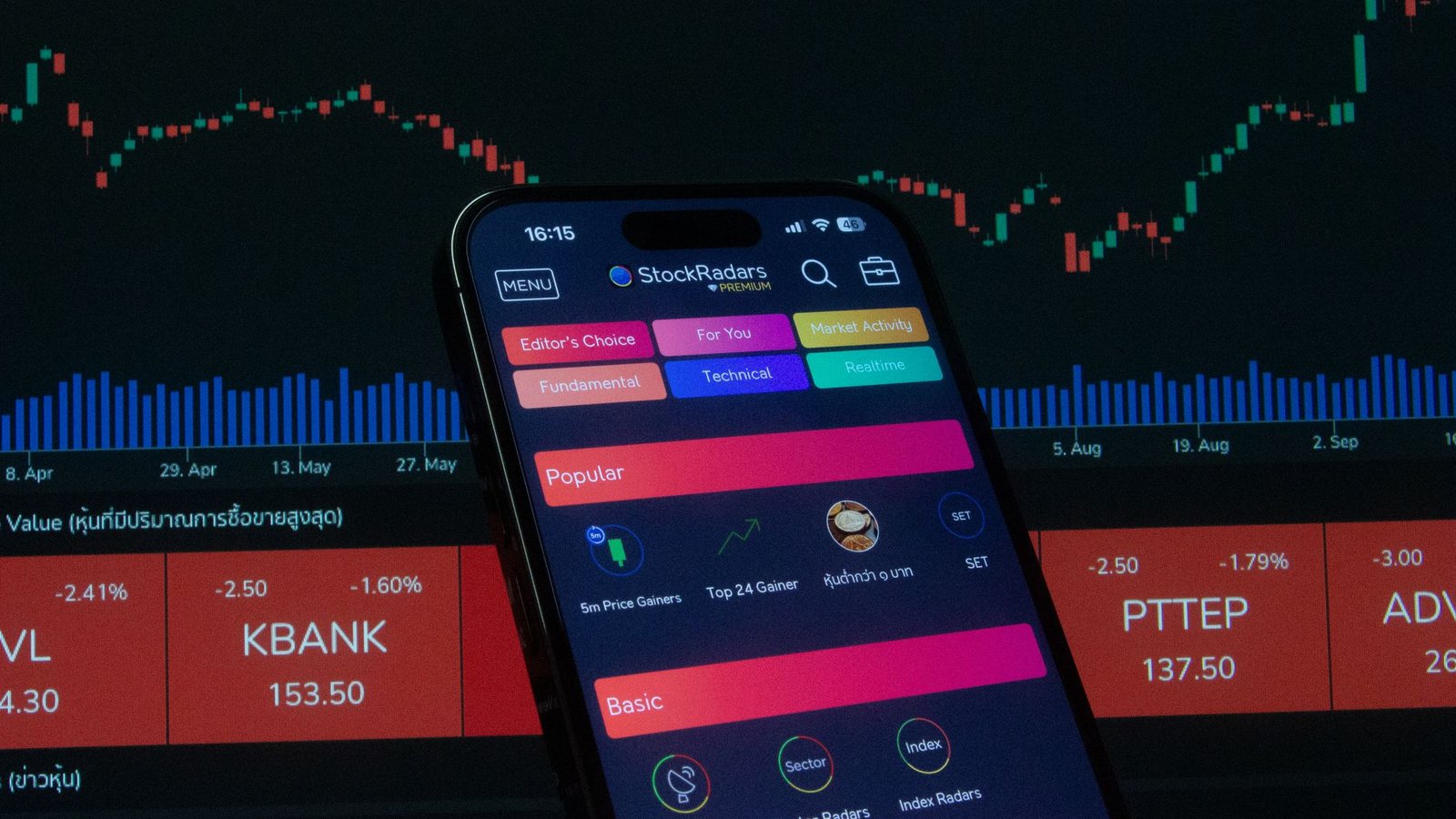
U.S. stocks ended a recent session in the red, with semiconductor companies bearing the brunt of selling after fresh calls for a slowdown in artificial intelligence investment rattled investor confidence.
Major U.S. stock indexes closed lower in the latest session, pulled down largely by sharp declines in chipmakers. The catalyst: growing questions about whether the pace of spending on artificial intelligence infrastructure can be sustained.
Semiconductor stocks are among the most sensitive to AI sentiment. Much of the excitement that drove their valuations sharply higher over the past couple of years rested on expectations of relentless demand for AI-related computing hardware. When those expectations are challenged — even by a single influential voice or data point — the sector can move quickly and forcefully in either direction.
The broader market followed chips lower, though losses were not uniform across all sectors. Defensive areas of the market, which tend to hold up better when investors grow cautious, fared comparatively well. Technology and growth-oriented stocks, which carry higher valuations built on future earnings expectations, are more vulnerable when confidence wavers.
AI investment has been one of the central narratives driving U.S. equities over the past two years. Large technology companies have committed enormous sums to building out data centers, buying chips, and developing AI models. Any credible suggestion that this spending might slow — whether from a change in corporate strategy, a pullback by a major buyer, or a broader reassessment of AI’s near-term returns — carries real weight for the companies supplying that infrastructure.
Bond markets and the dollar showed more modest moves in the session, suggesting the selling was concentrated in specific equity segments rather than reflecting a broad shift in economic or monetary policy expectations.
Investors will be watching for signals from major technology companies about the durability of their AI capital spending plans, as those commitments remain a key support for chipmaker earnings outlooks.