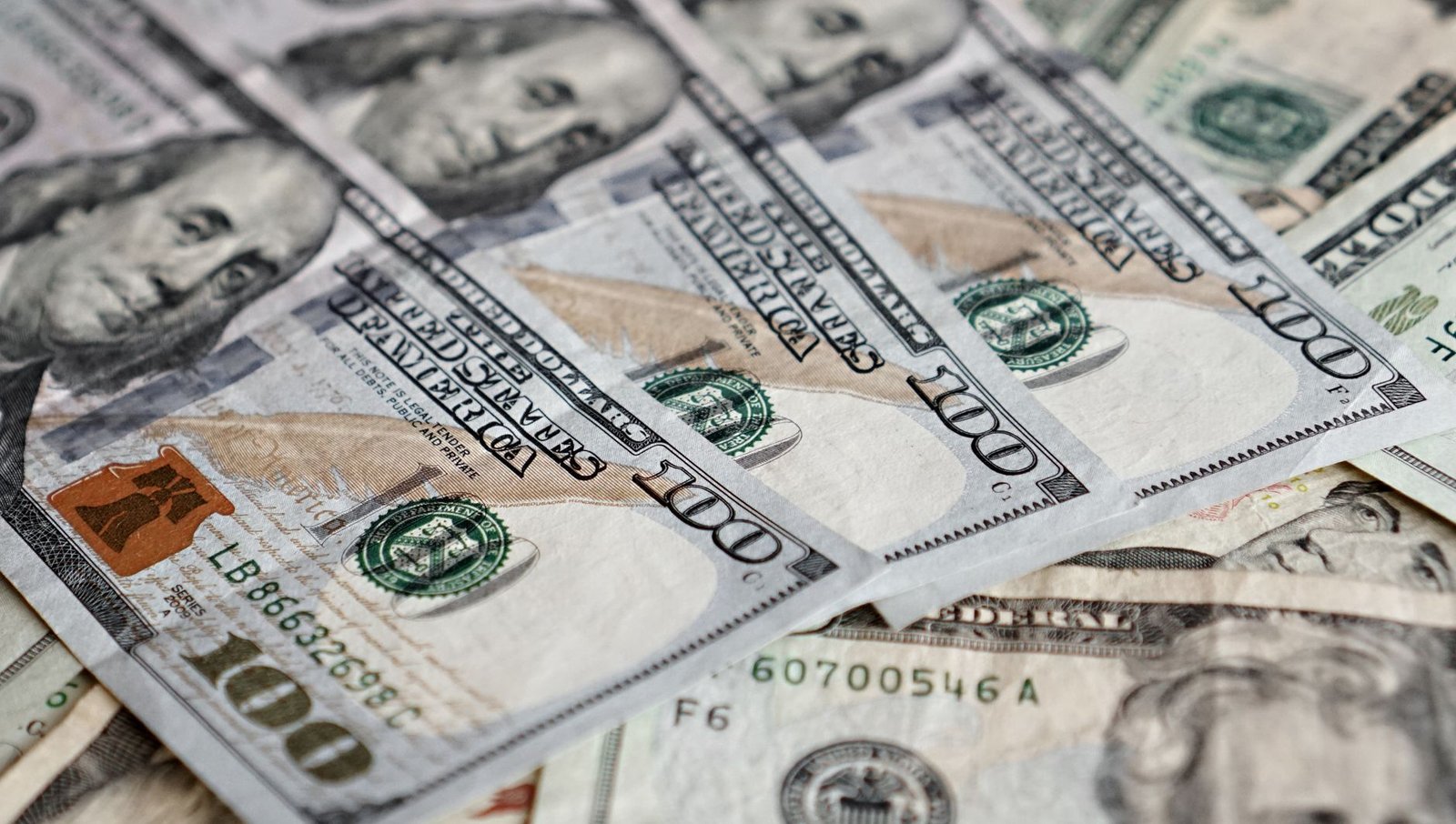
A stronger-than-expected U.S. inflation report rattled Wall Street in recent trading, pushing the dollar higher while stocks fell as investors reassessed how long interest rates might stay elevated.
Fresh inflation data came in hotter than markets had hoped, renewing concern that the Federal Reserve may have less room to cut interest rates than investors had been counting on. The news sent the U.S. dollar higher against major currencies and dragged broad stock indexes lower.
When inflation runs above expectations, it typically signals that price pressures in the economy have not eased as much as hoped. That matters enormously for markets because the Fed uses higher interest rates as its main tool to slow inflation. If prices stay stubborn, the central bank has reason to keep borrowing costs higher for longer — and that tends to weigh on stocks while supporting the dollar.
Higher rates make bonds and cash more attractive relative to equities, so investors often shift away from stocks when rate-cut hopes fade. At the same time, elevated U.S. interest rates draw money into dollar-denominated assets, lifting the greenback against peers like the euro, yen, and pound.
The latest reading adds to a complicated picture for the Fed. Policymakers have stressed in recent months that they want to see sustained progress toward their 2% inflation target before committing to further rate reductions. A hotter print, even for a single month, can set back those expectations and force traders to reprice their forecasts for when and how much the Fed will ease.
For everyday households, persistent inflation means the cost of goods and services stays elevated longer. For investors, it means the low-rate environment that fueled much of the post-pandemic stock rally remains out of reach for now. Markets will be watching the next round of inflation and jobs data closely to see whether this reading is a bump in the road or a sign of a broader re-acceleration in prices.
The next key inflation and employment reports will be critical in determining whether the Fed shifts its rate outlook or holds its current course.