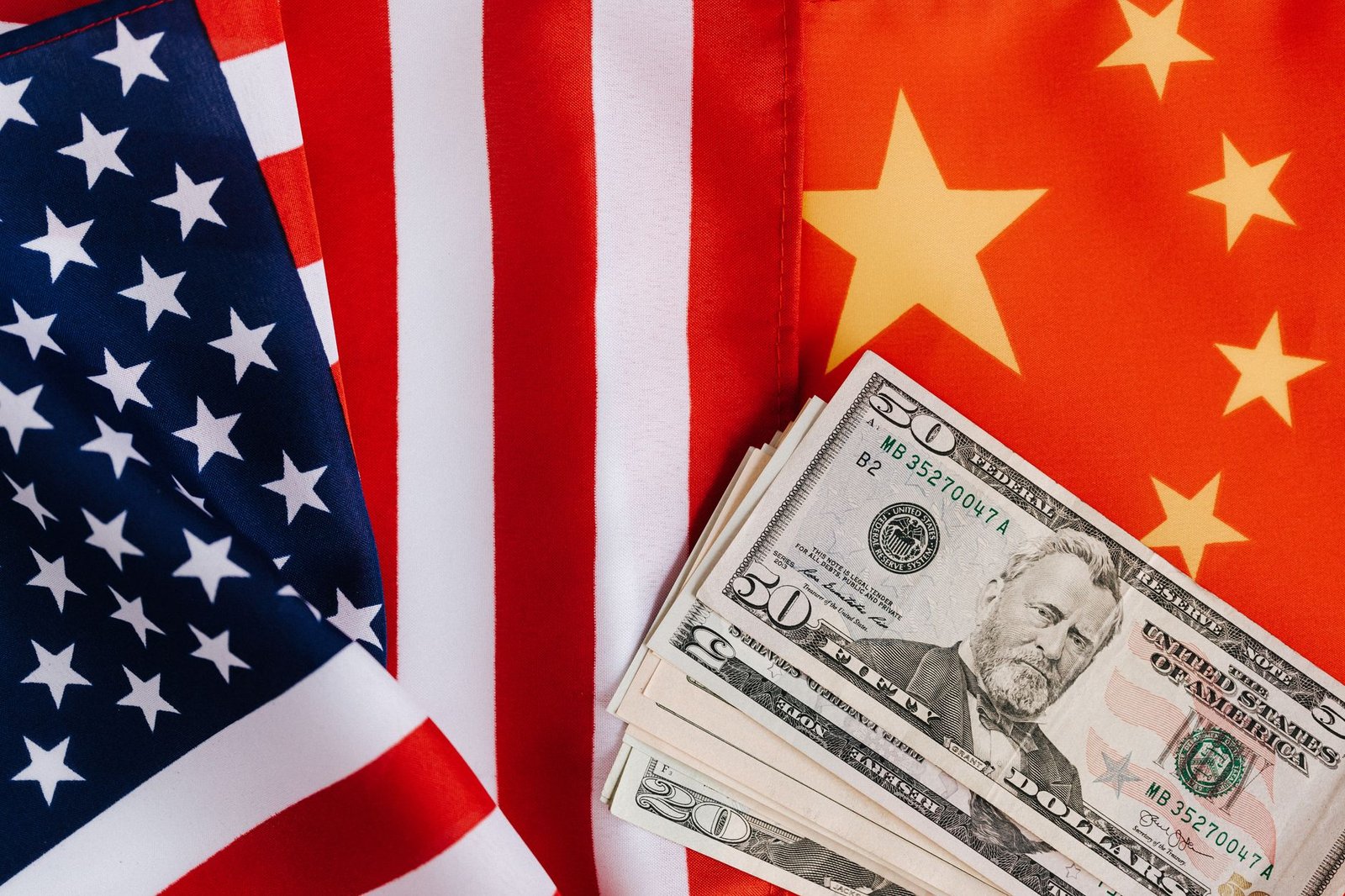
As the U.S. and China continue to trade accusations over responsibility for global economic strain, the international community appears increasingly receptive to Beijing’s framing — a shift with real implications for trade alliances and financial markets.
The economic standoff between the United States and China has always been as much a battle of narratives as one of tariffs and supply chains. Lately, that narrative contest appears to be moving in Beijing’s direction, as a growing number of trading partners and international institutions voice skepticism about Washington’s approach to global economic leadership.
At the heart of the dispute is a familiar tension: the U.S. argues that China’s trade practices — including subsidies, currency management, and market access restrictions — have distorted the global economy. China counters that American tariffs and economic nationalism are the real source of disruption. Neither side’s case is without merit, but the audience that matters most — other major economies — is shaping its own verdict.
Several factors appear to be tilting perceptions toward Beijing. China has recently taken steps to present itself as a defender of open trade, deepening ties with Southeast Asia, the Middle East, and parts of Europe. Meanwhile, sweeping U.S. tariffs and unpredictable trade policy have strained relationships with allies who once reliably sided with Washington on China-related concerns.
For financial markets, perception matters because it shapes policy responses. If more countries align economically with China — through trade agreements, currency arrangements, or multilateral institutions — the dollar’s role as the world’s reserve currency could face a slow, long-term test. Bond investors and currency traders are watching these alignments carefully.
It is worth noting that narrative advantage does not automatically translate into economic strength. China faces its own serious headwinds: a troubled property sector, sluggish domestic consumption, and demographic pressures. The U.S. economy, meanwhile, remains large and resilient. The geopolitical optics of this blame game may matter more at the diplomat’s table than on the trading floor — at least for now.
Still, in a world where economic alliances are increasingly tied to strategic positioning, the soft power dimension of this dispute carries weight. A world less willing to follow Washington’s lead on economic governance is a different backdrop for U.S. trade policy, Treasury markets, and the dollar.
Watch how major trading blocs — the EU, ASEAN, and the Gulf states — position themselves in the months ahead; their choices will signal how durable this perceptual shift really is.