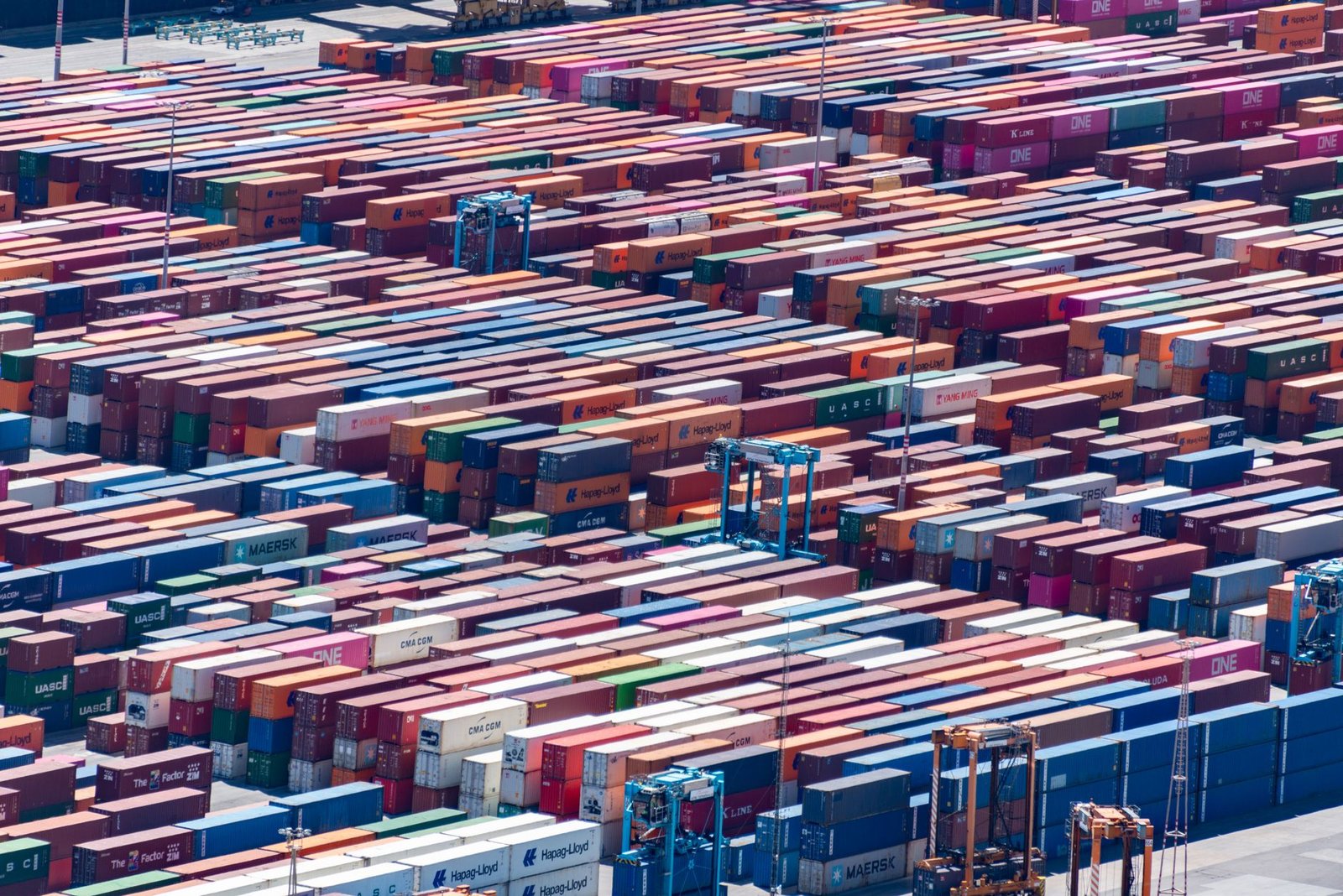
U.S. stocks fell sharply and international markets reacted with concern after the Trump administration unveiled a new round of tariffs, the result of an eight-month trade investigation. The move adds fresh uncertainty to global supply chains and reignites fears of a broader trade conflict.
The Trump administration has rolled out a significant new set of import levies following an investigation by the United States Trade Representative that began roughly eight months ago. The announcement sent U.S. stock markets lower as investors weighed the potential economic fallout.
Tariffs are taxes placed on imported goods. When a government raises them, the cost of foreign products typically rises for domestic buyers — including businesses and consumers. That can push up prices, slow trade, and squeeze the profits of companies that rely on global supply chains.
The timing matters. Inflation has been a persistent concern for policymakers, and new tariffs risk adding upward pressure on consumer prices at a moment when the Federal Reserve has been carefully managing its path on interest rates. If tariffs push inflation higher, they could complicate the Fed’s ability to ease borrowing costs.
Markets outside the United States also moved in response. Trading partners that could face retaliatory pressures or reduced demand for their exports tend to see their own currencies and stock markets wobble when Washington announces broad trade actions. A wide-ranging tariff package can disrupt established trade flows in ways that take months to fully price in.
Historically, uncertainty around trade policy tends to weigh on business investment. Companies often pause expansion plans or delay hiring when they are unsure how tariffs will affect their input costs or export markets. That dynamic is part of what moves stocks lower even before tariffs take full effect.
The scope and targets of the new levies will determine how deep the economic impact runs. Narrow tariffs on a specific sector tend to affect that industry most directly. Broad-based tariffs can ripple across the wider economy, touching everything from manufacturing costs to retail prices.
The key variables to watch now are how trading partners respond, whether retaliatory measures follow, and what the data show about price pressures in the months ahead.