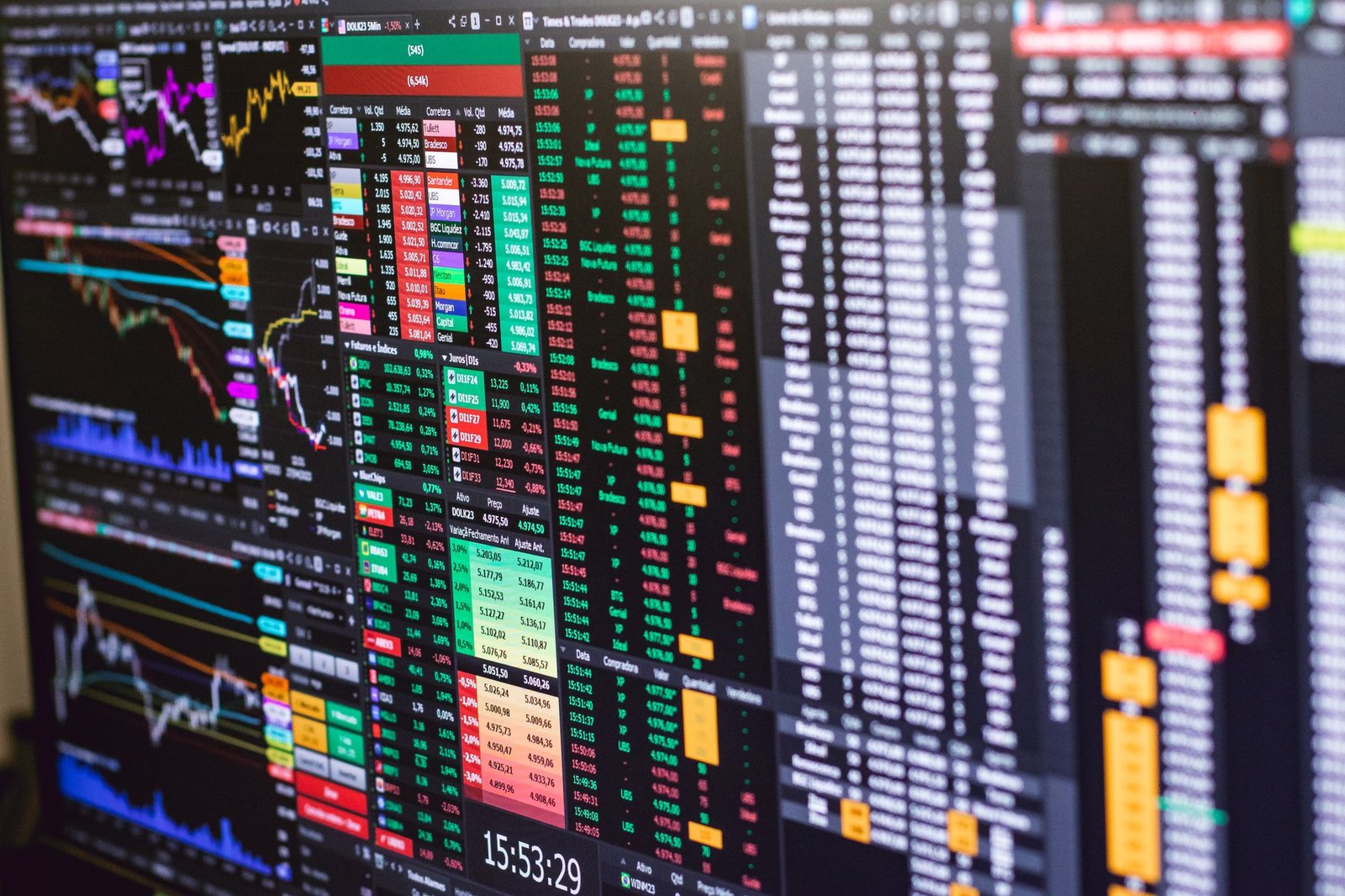
American stocks clawed back much of the day’s early decline after a sharp pullback in artificial intelligence-related shares eased, leaving major indexes only modestly lower by the close.
U.S. equity markets saw a volatile session, opening sharply lower before buyers stepped back in and reduced losses through the afternoon. The recovery centered on technology and AI-linked stocks, which had led the early drop before stabilizing.
Artificial intelligence names have been among the strongest performers in the market over the past two years, lifting the broader indexes. That outperformance makes them vulnerable when sentiment shifts — investors who have big gains tend to sell these stocks first when they want to reduce risk. The early weakness appeared to reflect that dynamic rather than any single piece of negative news about the sector.
Recoveries like this one, where stocks give back most of an early drop, are sometimes called a “reversal day” on Wall Street. They can signal that buyers are still willing to step in at lower prices, which some analysts read as a sign of underlying demand. At the same time, one session’s rebound does not change the broader picture.
AI-related stocks have faced occasional bouts of profit-taking this year, as investors weigh sky-high valuations against still-uncertain long-term revenue growth from the technology. When these stocks fall, they tend to drag the major indexes with them because they now make up a large share of the overall market.
Beyond the AI sector, traders are also keeping a close eye on the Federal Reserve’s interest-rate path, incoming economic data, and any shifts in government trade or fiscal policy — all of which can quickly redirect market momentum.
Watch whether AI stocks can build on the late-session stabilization in coming days, as that sector’s direction has become a key driver of the broader market.