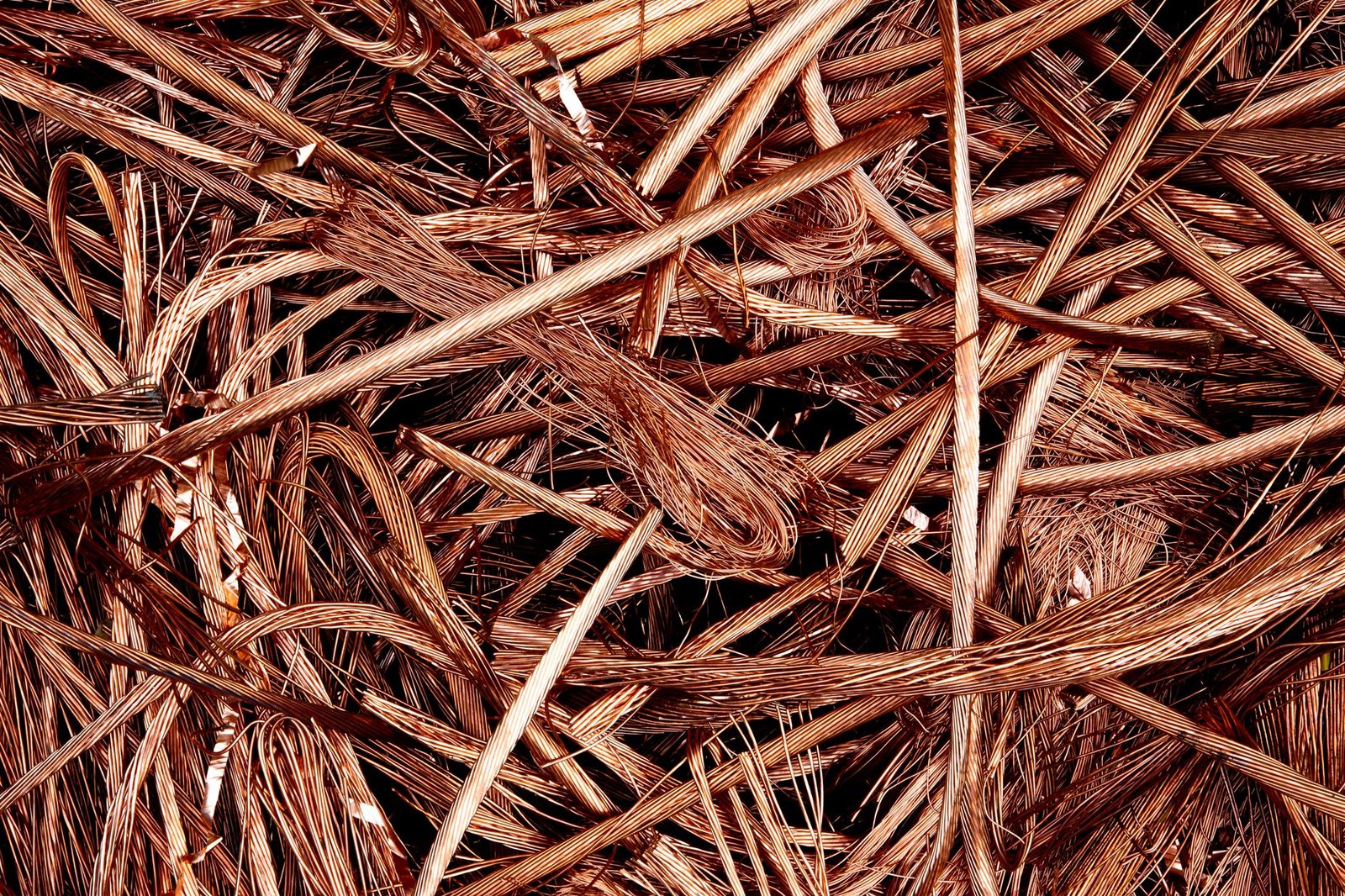
Demand for copper is rising sharply as the world electrifies, but new supply is struggling to keep up. The gap between the two could push up costs across energy, construction, and manufacturing.
Copper is sometimes called “the metal with a PhD in economics” because its price tends to move with the health of the global economy. Right now, analysts are watching a different signal: a widening gap between how much copper the world needs and how much miners can produce.
The green energy transition is the main driver. Solar panels, wind turbines, and electric vehicles all use far more copper than their fossil-fuel equivalents. A single electric car requires roughly two to three times as much copper as a conventional gasoline-powered vehicle. As governments push to build out electric grids and clean-energy infrastructure, that demand is compounding quickly.
The supply side is not keeping pace. Opening a new copper mine typically takes ten to twenty years from discovery to production. Many of the world’s richest deposits are already in use, and ore grades — a measure of how much copper is in each tonne of rock — have been declining at major mines for years. That means more rock must be processed to produce the same amount of metal, which raises costs and energy use.
A sustained copper shortage would ripple well beyond commodity markets. Higher copper prices increase the cost of building power grids, data centers, electric vehicles, and appliances. That, in turn, could slow or raise the price of the energy transition itself — the very infrastructure governments are counting on to meet climate goals and reduce dependence on oil and gas.
It also matters for inflation. Copper feeds into the cost of construction and manufactured goods broadly. If prices climb and stay elevated, that pressure can pass through to consumers over time, complicating the job of central banks still working to keep inflation in check.
Miners, governments, and industrial buyers are aware of the risk. Recycling rates are rising, and some companies are investing in lower-grade deposits that were previously uneconomical. But analysts caution that these steps are unlikely to fully offset the coming demand surge on their own.
How quickly new supply can come online — and whether recycling can fill the gap — will be one of the defining resource questions of the next decade.