Nations and technology sectors are competing to shape the next generation of artificial intelligence — and the outcome could reorder global economic power for decades.
Artificial general intelligence — AI systems capable of performing most intellectual tasks that a human can — remains years away by most expert accounts. Yet governments, businesses, and investors are already treating it as the defining economic contest of the coming era.
The stakes are real. Productivity gains from advanced AI could add trillions of dollars to global output, according to economists who study automation. Countries that lead in developing and deploying these systems stand to capture an outsize share of that growth, while those that fall behind risk slower growth and diminished competitiveness.
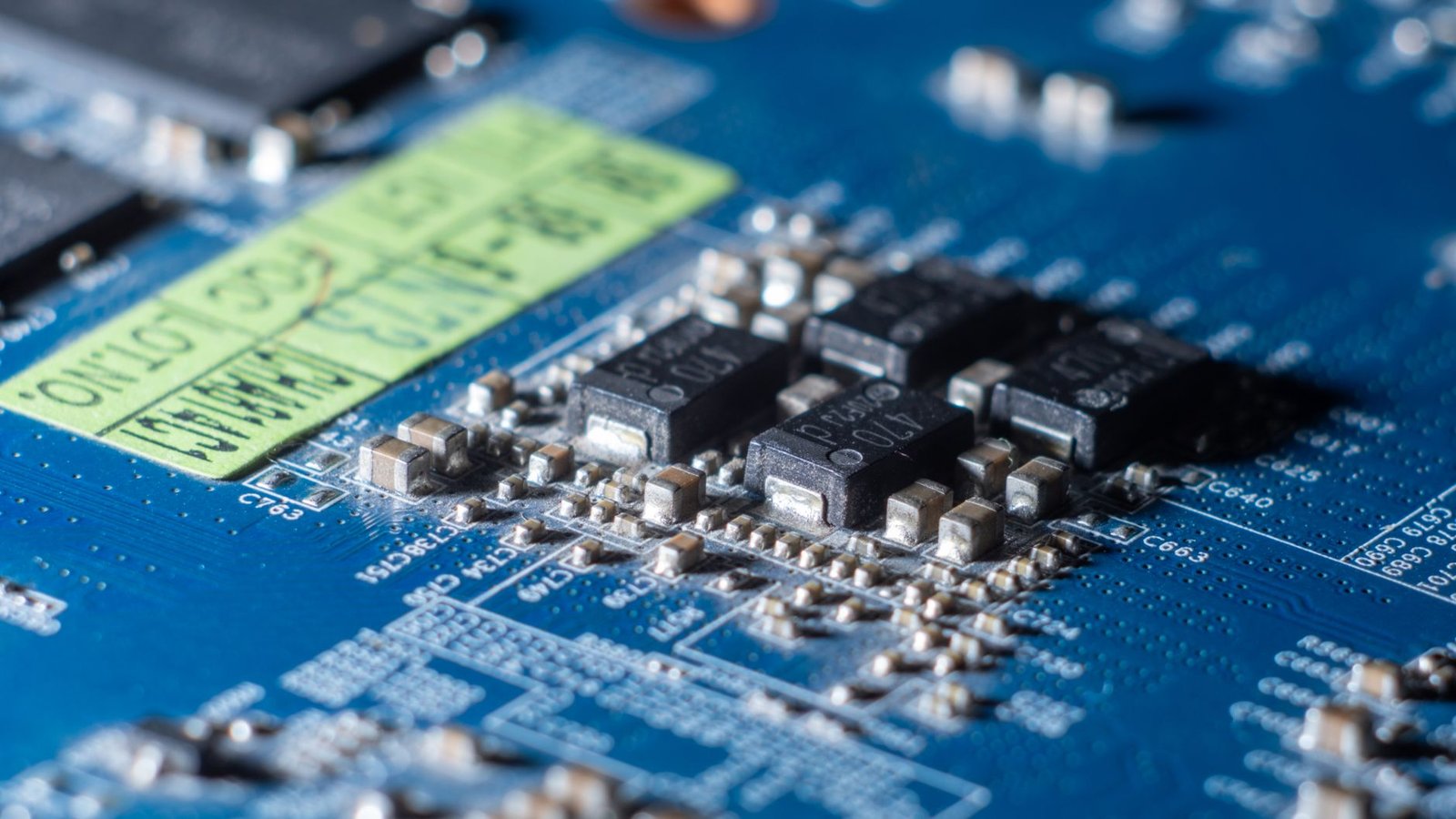
That dynamic is pushing governments to treat AI development as a strategic priority, much as earlier generations treated nuclear energy or space exploration. The United States, China, and key European economies have all announced large public investments in AI infrastructure, research, and chip manufacturing. Control over semiconductors — the specialized chips needed to train powerful AI models — has become a flashpoint in trade policy and export controls.
For financial markets, the AI race has already had measurable effects. Shares of companies tied to AI infrastructure — from chipmakers to data-center operators — have attracted heavy investment flows. Bond markets and central banks are paying attention too: a broad AI-driven productivity surge could change long-run growth assumptions and, in turn, influence where interest rates settle over time.
There are also meaningful risks. Rapid automation could displace workers in certain industries faster than labor markets can adjust. Concentration of AI capability in a handful of firms or countries could create new sources of economic and geopolitical instability. Regulators in the U.S. and Europe are actively debating how to manage those risks without stifling development.
The honest answer is that no one can predict with precision when or how general AI arrives, or exactly how it reshapes the economy. What is clearer is that the policy, investment, and competitive decisions being made today are likely to shape those outcomes — and that means the AI race deserves a place alongside inflation, interest rates, and trade as a core driver of long-run economic thinking.
We’ll be watching how AI investment, trade policy, and labor-market data interact in the months ahead as the global competition intensifies.