A prominent investment firm is sounding a note of caution: if the economic benefits of artificial intelligence take longer than expected to materialize, the U.S. economy may face a meaningful slowdown — or worse.
Apollo Global Management has raised a pointed concern about the trajectory of AI-driven growth, warning that a slower-than-expected return on the enormous sums being poured into artificial intelligence could leave the broader economy exposed to a downturn.
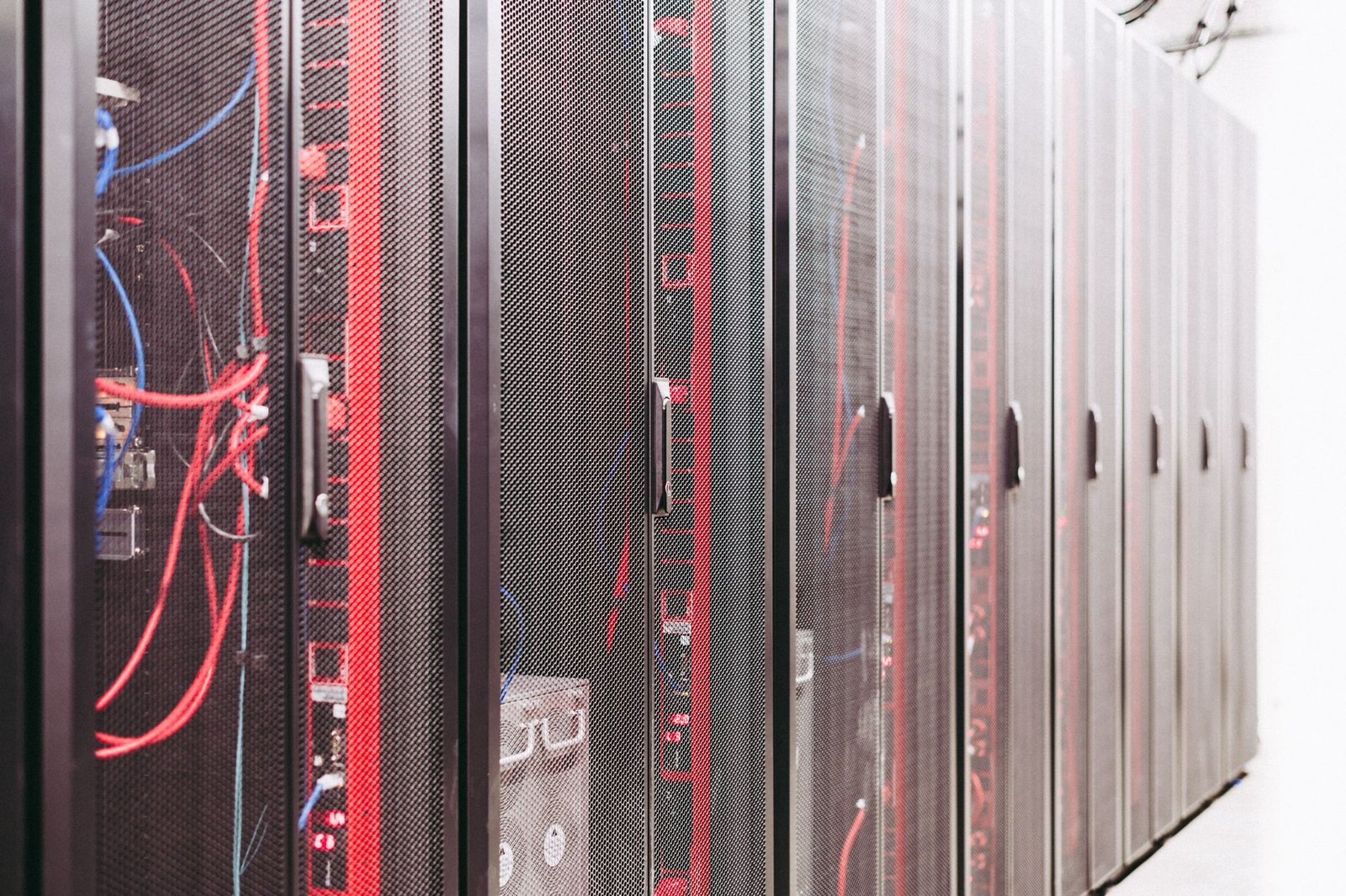
The argument follows a straightforward logic. Businesses and investors have committed hundreds of billions of dollars to AI infrastructure — data centers, chips, software, and talent — on the expectation that productivity gains will follow relatively quickly. If those gains arrive later than hoped, the spending surge that has propped up corporate investment and, in turn, economic growth could fade before the payoff shows up.
That timing gap matters. Capital spending on AI has been one of the brighter spots in the U.S. economy over the past two years, helping offset weakness in other areas. If companies pull back on those outlays — or simply stop accelerating them — the drag on growth could be significant, particularly at a moment when the consumer is already under pressure from high borrowing costs and lingering price increases.
The concern is not that AI will fail. It is about the timing. History offers some precedent: the internet boom of the 1990s generated enormous long-run productivity gains, but the lag between investment and measurable payoff contributed to a painful bust in the interim. Economists often call this the “productivity paradox” — the idea that transformative technologies can take years or even decades to show up clearly in economic data.
For now, the Federal Reserve is navigating an already delicate balance between cooling inflation and avoiding a hard landing. A slowdown in business investment tied to AI hesitation would complicate that picture, potentially reducing growth without the kind of supply-side productivity boost that could ease inflation on its own.
Apollo’s warning adds to a growing body of skepticism among some economists and analysts who question whether current AI-related spending levels are sustainable absent faster evidence of returns.
Investors and policymakers alike will be watching business investment data in the months ahead for early signs of whether AI spending is holding up — or beginning to fade.