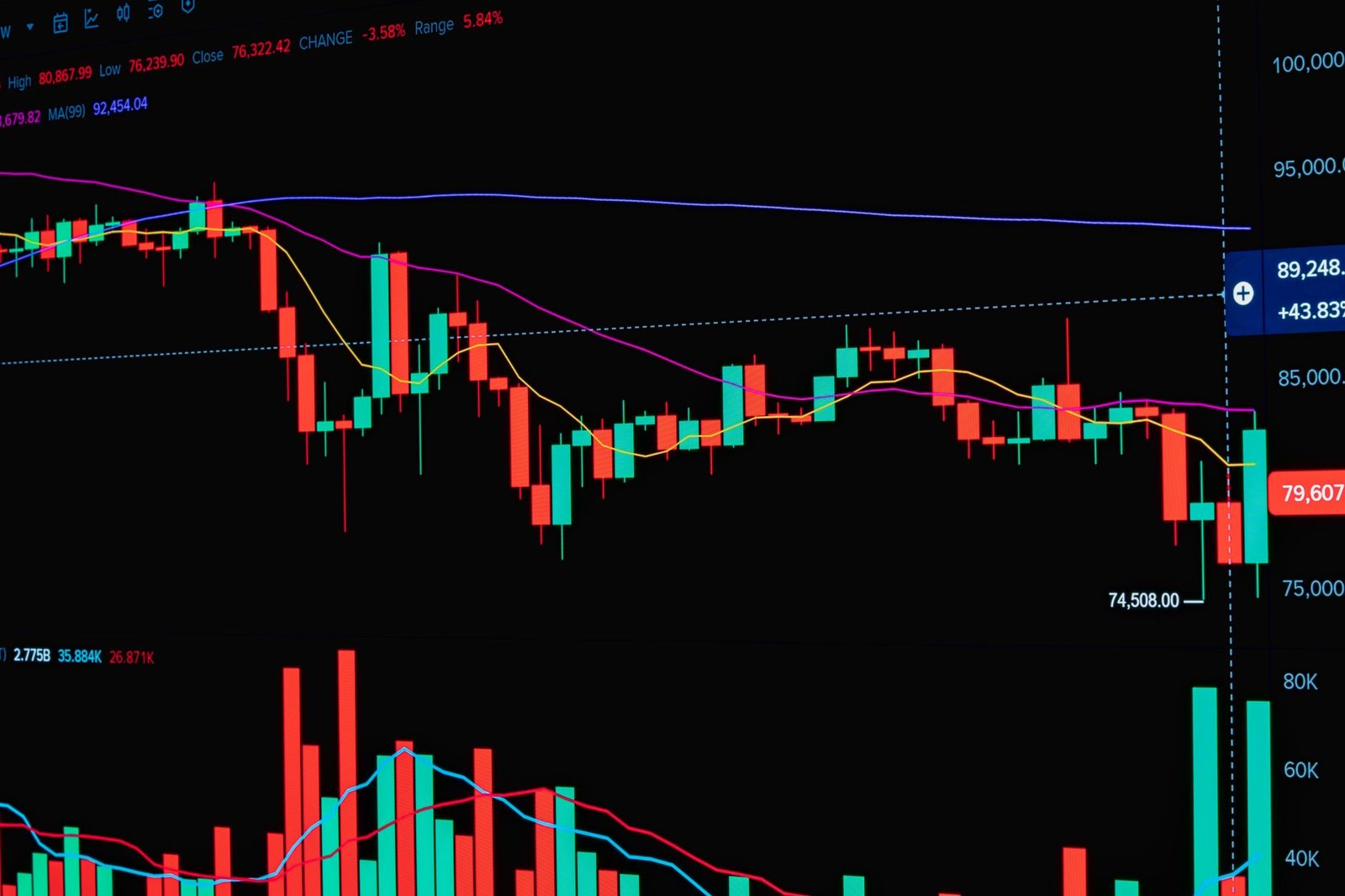
Stock markets across Asia fell in recent trading, with semiconductor companies leading the decline. The sell-off reflects broader unease about the technology sector’s near-term outlook.
Equity markets across Asia pulled back, with chipmakers at the center of the retreat. Technology-heavy indexes were among the hardest hit as investors moved away from shares tied to semiconductors — the components that power everything from smartphones to artificial intelligence systems.
Chipmakers are often treated as a bellwether for the global technology cycle. When demand for semiconductors appears to be softening, or when earnings expectations are trimmed, shares in the sector can fall quickly and drag broader indexes with them. That dynamic appeared to be at work in the latest session.
The sell-off in Asia is also worth watching for what it may signal about global risk appetite. When investors in major Asian markets — which include some of the world’s largest chip manufacturers and technology exporters — grow cautious, the mood can spread to European and U.S. markets as the trading day moves west.
Semiconductor stocks have had an outsized influence on global equity markets in recent years, driven by excitement over artificial intelligence spending and data-center buildouts. That enthusiasm has made the sector more sensitive to any signs that demand may be peaking or that supply is catching up faster than expected.
It is worth noting that single-session moves do not always point to a lasting trend. Markets can recover quickly when the underlying data remains supportive. What matters is whether this pullback is driven by a specific earnings warning or guidance cut from a major chipmaker, or whether it reflects a wider reassessment of risk across Asian markets.
Watch for any updates from major semiconductor companies on demand trends, as those signals will likely shape sentiment in both Asian and U.S. technology stocks in the sessions ahead.