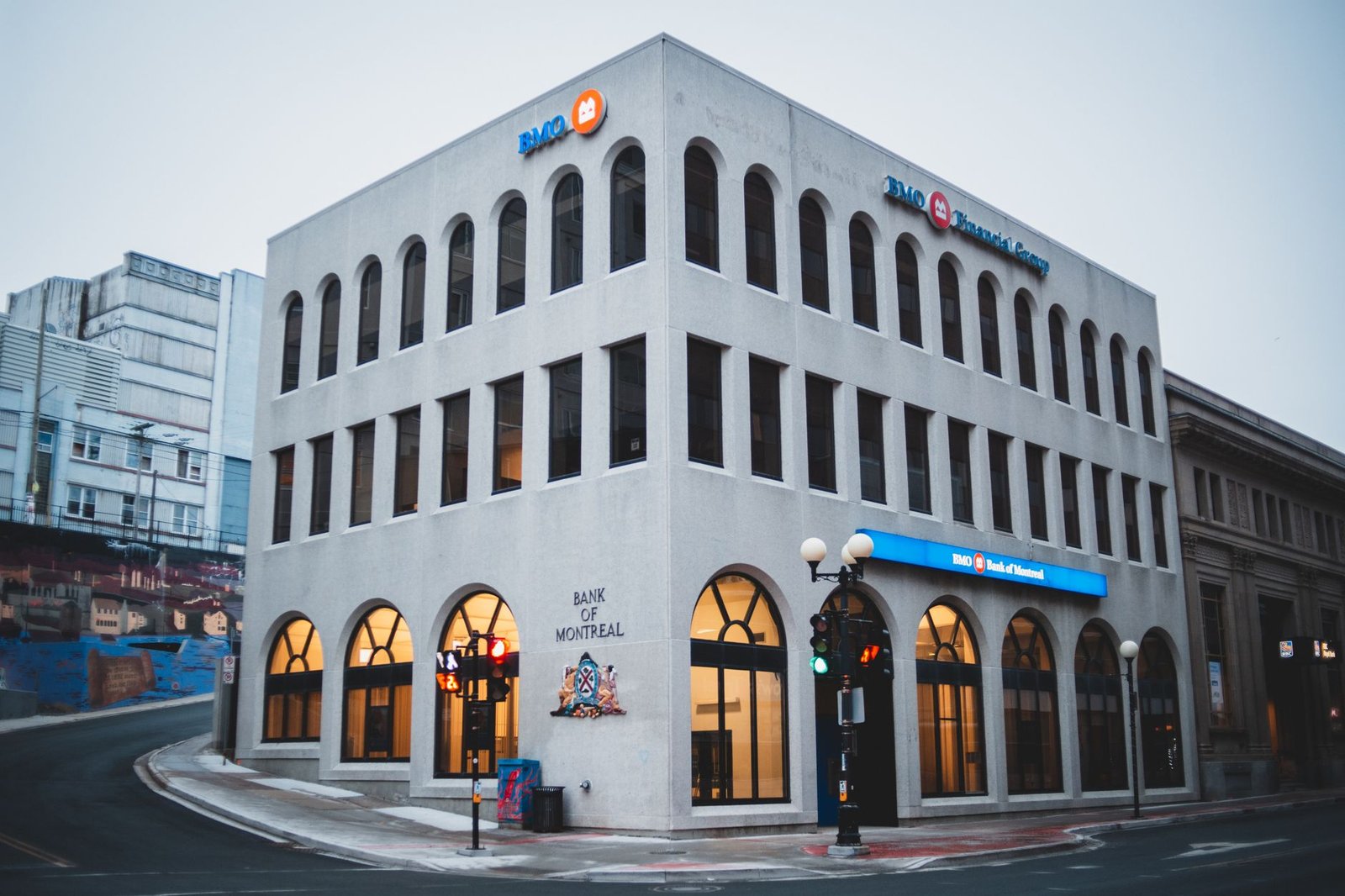
A growing number of economists now expect the Bank of Canada to raise its benchmark interest rate at its December policy meeting, a shift that reflects persistent inflation pressures in the Canadian economy.
Expectations are building that the Bank of Canada will tighten monetary policy once more before the year ends. Economists who had previously anticipated a pause are increasingly coming around to the view that another rate increase is likely at the central bank’s December meeting.
The shift in thinking reflects concern that inflation in Canada has not cooled fast enough. Central banks raise interest rates to make borrowing more expensive, which tends to slow spending and ease price pressures over time. When more economists align behind a hike, it usually signals that incoming economic data — such as inflation readings, employment figures, or wage growth — have come in stronger than expected.
For Canadian households and businesses, another rate increase would mean higher costs on variable-rate mortgages, home equity lines of credit, and other loans tied to the prime rate. Canada’s housing market, which is particularly sensitive to borrowing costs, would likely face continued pressure.
The Bank of Canada has already moved aggressively in recent years to bring inflation down from multi-decade highs, lifting its policy rate through one of the most rapid tightening cycles in its history. Policymakers have signaled they remain willing to act further if the data warrants it, leaving open the possibility of additional moves even as the broader tightening cycle shows signs of nearing its end.
Markets and analysts will be watching closely for any forward guidance the Bank of Canada provides alongside its decision. How firmly officials signal the path ahead — whether toward further hikes, a pause, or eventual cuts — will shape expectations well into next year.
The next Bank of Canada rate decision will be a key signal for where Canadian borrowing costs, and the broader economy, are headed heading into 2027.