The world’s leading economic institutions say the global economy has shown surprising resilience in the face of ongoing conflict in the Middle East, but they are united in warning that significant downside risks have not gone away.
Four of the world’s most influential economic bodies — the International Energy Agency, the International Monetary Fund, the World Bank, and the World Trade Organization — have each offered broadly similar assessments: the global economy is holding up better than many feared, even as war in the Middle East continues to cloud the outlook.
The collective message carries weight precisely because these institutions track different parts of the global picture. The IMF and World Bank monitor growth and financial stability across nearly every country. The WTO follows trade flows. The IEA watches energy markets, which are directly exposed to conflict in one of the world’s most oil-rich regions. When all four signal resilience, that is meaningful. When all four also flag persistent risks, that is worth heeding too.
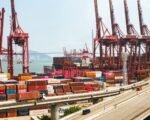
Geopolitical conflict in the Middle East typically threatens the global economy through two main channels: energy prices and trade disruption. Higher oil and gas prices, if sustained, feed into inflation and squeeze household budgets worldwide. Shipping disruptions — whether from conflict near key waterways or shifts in regional trade routes — raise the cost of moving goods, which can ripple into prices for everyday products. So far, it appears neither channel has derailed growth to the degree once feared.
Still, resilience is not the same as safety. Global growth remains uneven, with many lower-income economies under pressure from higher borrowing costs and weaker demand for their exports. Trade policy uncertainty, including tariff disputes and supply chain fragmentation, adds another layer of stress that the institutions appear to see as a continuing concern alongside the geopolitical backdrop.
For markets and policymakers, the key question is whether current conditions hold. A significant escalation of conflict, a spike in energy prices, or a broader disruption to shipping could shift the picture quickly. Central banks in major economies, many of which have been navigating the balance between cooling inflation and supporting growth, would face renewed pressure if energy costs re-accelerate.
The broad resilience these institutions describe is encouraging, but their shared emphasis on persistent risks is a reminder that the global economic outlook remains fragile and worth watching closely.