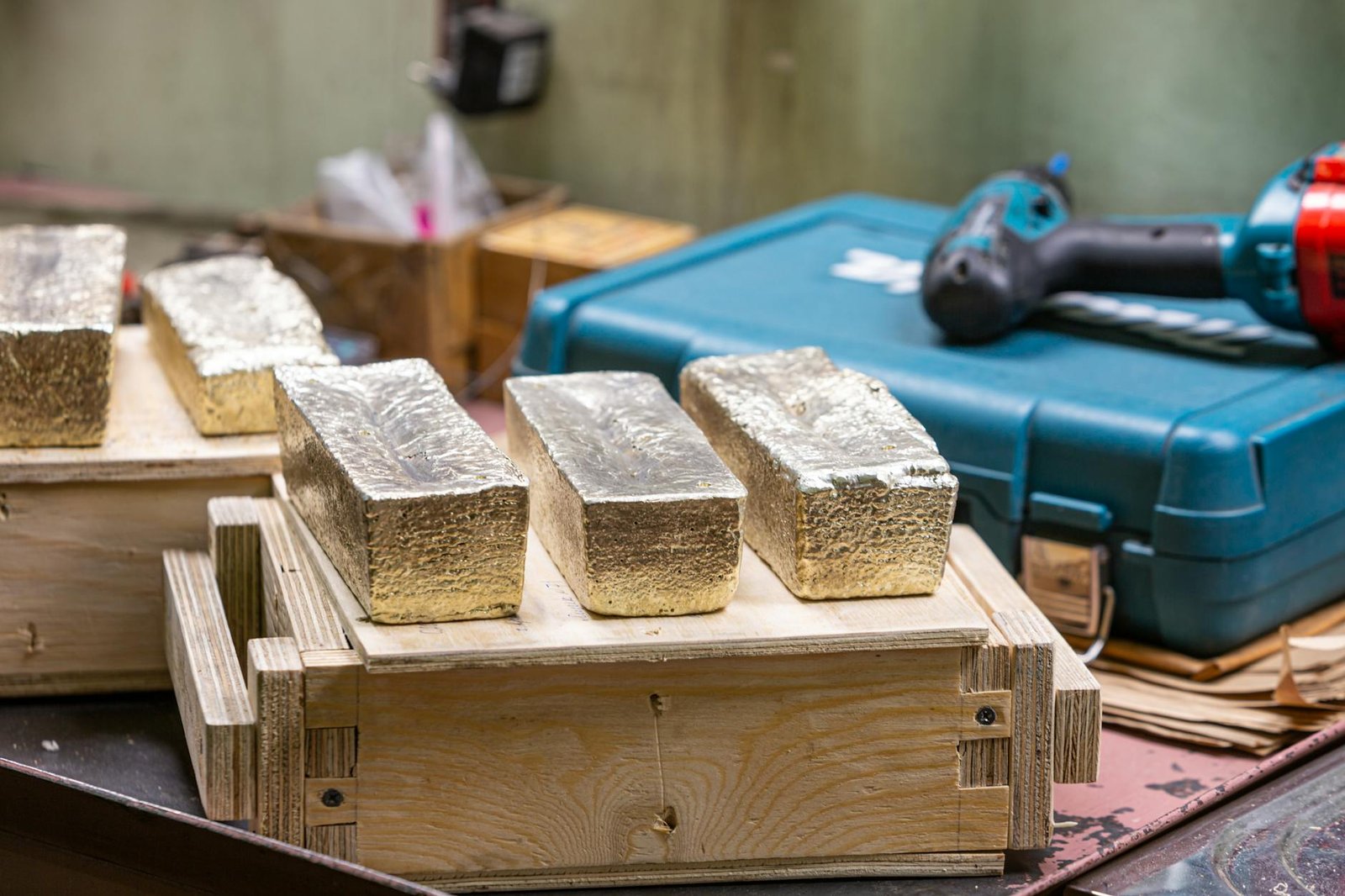
Gold has overtaken US Treasury bonds as the single largest asset held in global central bank reserves, according to data from the European Central Bank — a milestone that reflects a broad shift in how countries are managing their national savings.
For the first time on record, gold now accounts for a larger share of global official reserves than US government bonds, ECB data indicates. The shift marks a significant change in the financial landscape that has built over several years as central banks around the world have steadily added gold to their holdings while reducing their exposure to dollar-denominated assets.
China is among the most prominent buyers driving the trend. The People’s Bank of China has been adding gold to its reserves consistently in recent years, part of a deliberate strategy to diversify away from US dollar assets. Other emerging-market central banks have followed a similar path, drawn by gold’s status as an asset that carries no credit risk and cannot be frozen or sanctioned by a foreign government.
The shift matters because reserve assets are the financial backstop of sovereign nations — the holdings that countries lean on during currency crises, trade disruptions, or periods of financial stress. When the composition of those reserves changes, it reflects deeper choices about which assets governments trust most over the long run.
US Treasuries have long been the cornerstone of global reserves, benefiting from the dollar’s role as the world’s primary reserve currency. But a combination of factors has chipped away at that dominance: rising US debt levels, higher interest-rate volatility, and the use of financial sanctions as a foreign-policy tool have all prompted some central banks to reconsider their concentration in dollar assets.
Gold, by contrast, has no issuer and no counterparty risk. Its price has risen sharply over the past two years, which has also mechanically boosted its share of reserves even for countries that have not actively bought more. Still, active purchases — particularly from China, Poland, and several other central banks — have been a major driver alongside price appreciation.
The ECB’s finding adds to a growing body of evidence suggesting the dollar’s reserve dominance, while still substantial, is facing a slow and steady challenge. This does not mean the dollar is losing its reserve currency status in the near term, but the trend in official-sector gold buying is one that markets and policymakers are watching closely.
Whether the shift in reserve composition accelerates or stabilizes will depend in large part on geopolitical tensions and the trajectory of US fiscal policy in the years ahead.