India’s dairy and fisheries industries are poised to gain broader access to international markets under the UPITS 2026 framework, a development that could reshape trade flows for two of the country’s largest agricultural sectors.
India’s dairy and fisheries sectors, which together support the livelihoods of tens of millions of farmers and coastal workers, are expected to benefit from expanded global market access under the UPITS 2026 trade initiative. The move signals a shift toward integrating these traditionally protected industries into international supply chains.
Dairy and fisheries have long been sensitive areas in Indian trade policy. The government has historically shielded domestic producers from foreign competition through tariffs and import restrictions, making any opening — whether inbound or outbound — a notable policy step. Greater export access for Indian producers could boost farm incomes and foreign exchange earnings, two priorities that Indian policymakers have emphasized in recent years.
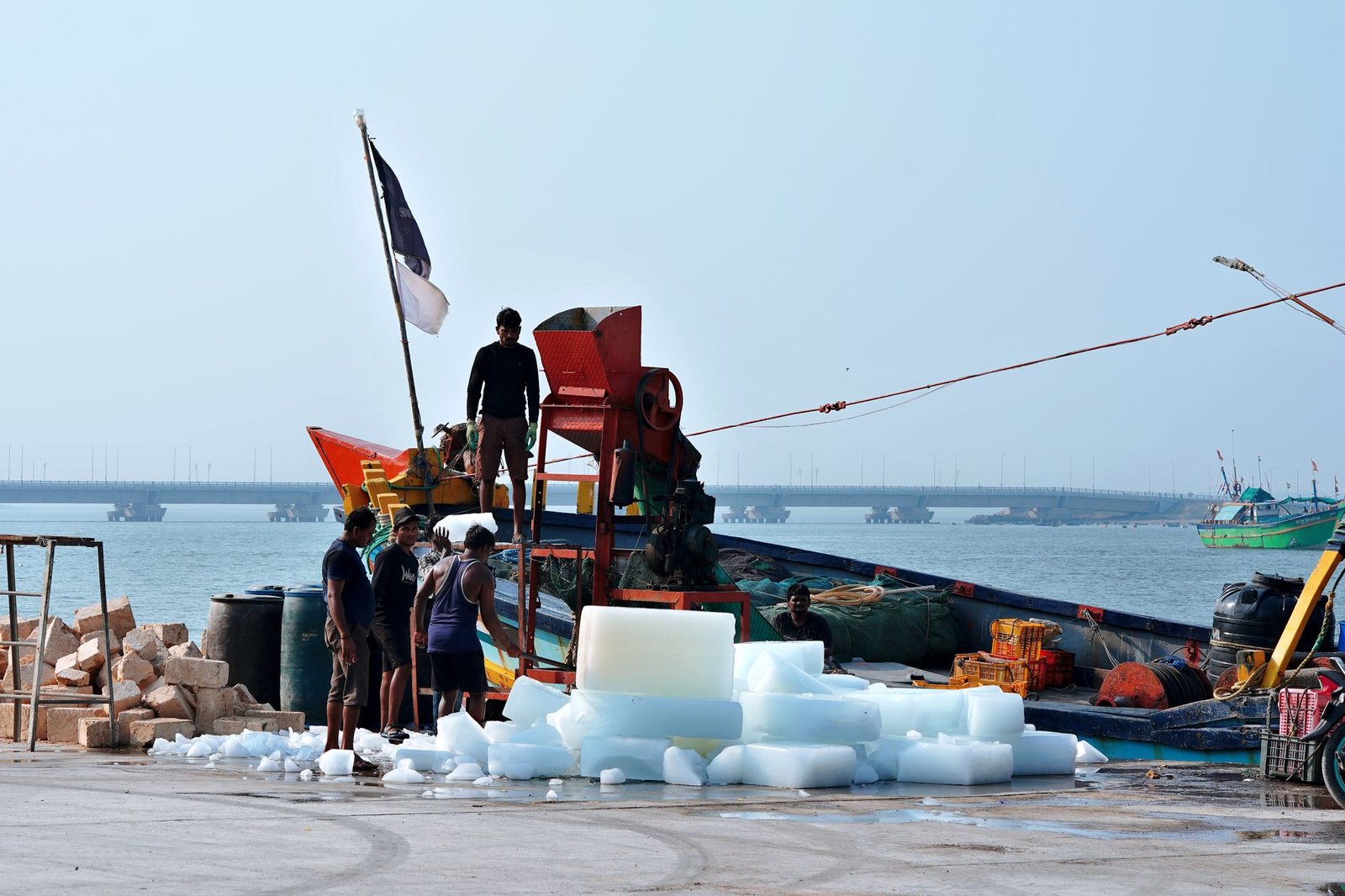
For the fisheries sector, global demand for seafood — particularly from markets in Europe, the United States, and East Asia — presents a meaningful opportunity. India is already one of the world’s largest seafood exporters, and improved market access could accelerate that position. The dairy sector faces a more complex path, as it competes with large, efficient producers in New Zealand, Europe, and Australia, but niche and value-added products could find buyers in growing middle-income markets.
Trade agreements and market-access frameworks of this kind typically require producers to meet the importing country’s food safety, quality, and labeling standards — a bar that can be challenging but also drives long-term competitiveness. Compliance investment tends to raise the quality floor across an entire sector over time.
The broader context matters here. India has been selectively deepening its trade relationships while remaining cautious about full liberalization, particularly in agriculture. UPITS 2026 appears to represent a targeted approach: opening doors for export-competitive sectors without broadly dismantling domestic protections.
Details on which markets will be covered and the timeline for implementation will be key to watch as the framework takes shape.