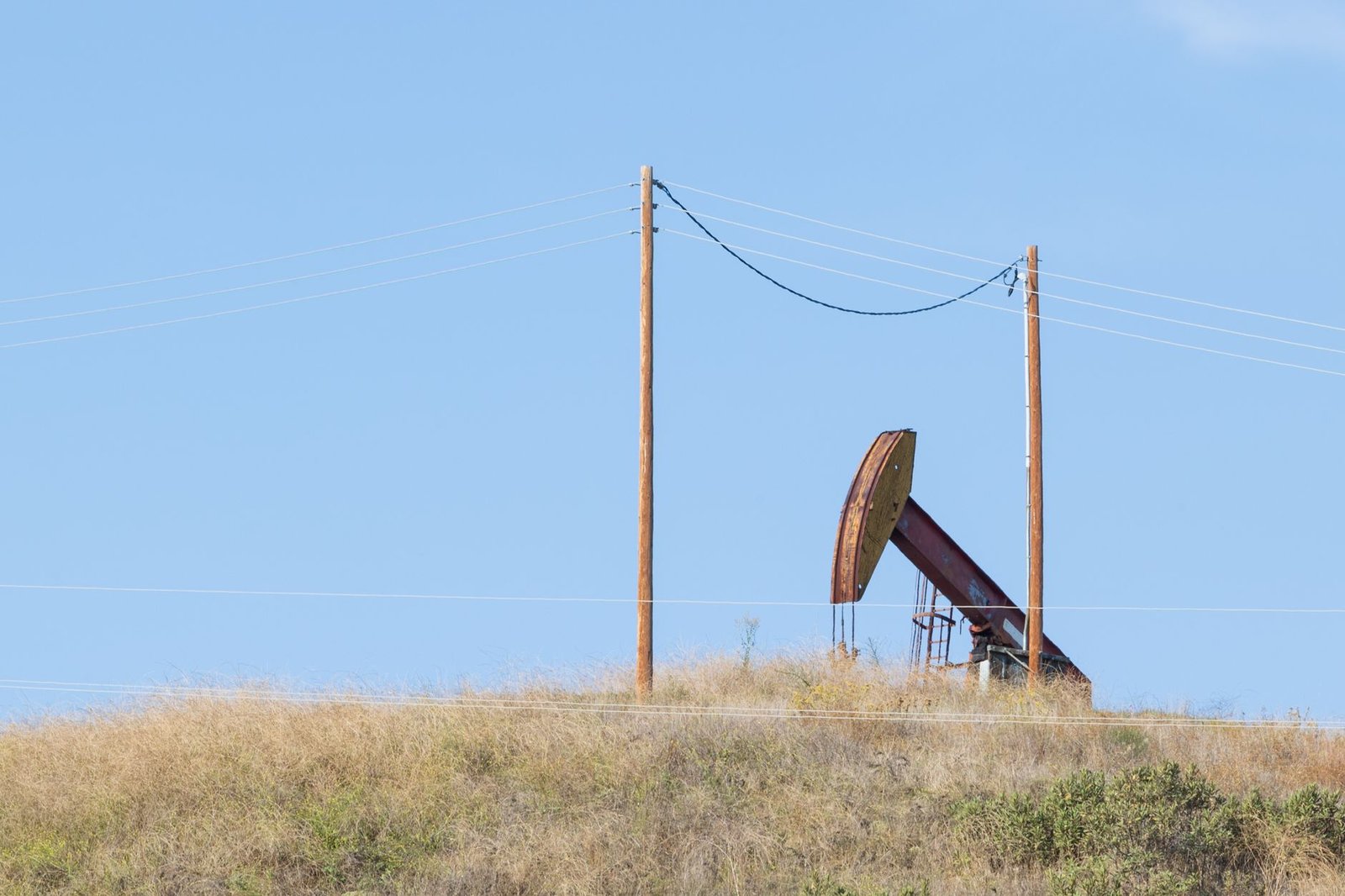
A major U.S. bank is warning that crude oil prices would need to climb to around $150 a barrel before the broader economy tips into a downturn — a threshold that remains well above current market levels.
Analysts at one of the largest U.S. banks have put a rough figure on the oil price that could break the economy: $150 a barrel. The estimate offers a useful benchmark as investors try to gauge how much energy inflation the global economy can absorb before growth begins to crack.
Oil prices have long been a key pressure point for economic activity. When crude gets expensive, it pushes up the cost of transportation, manufacturing, and everyday goods. That squeezes household budgets, cuts into business profits, and can slow spending across the economy. In severe cases, oil shocks have historically preceded recessions.
The $150 figure, however, is notably high compared to where crude has been trading in recent years. That suggests analysts believe the economy currently has meaningful room to absorb energy price increases before facing a serious threat to growth. Improved energy efficiency, the growing share of electric vehicles, and a more diversified energy mix have all helped reduce the economy’s sensitivity to swings in crude prices compared with past decades.
Still, the warning is not without weight. A run toward $150 a barrel could happen quickly if a major supply disruption hit — whether from conflict in a key oil-producing region, a sharp cut in output from producers, or a sudden surge in global demand. At that level, inflation would likely re-accelerate, putting the Federal Reserve in a difficult position: raise rates to fight prices, or hold steady to support a slowing economy.
For now, the analysis is more of a stress test than an alarm bell. It tells investors how far prices would have to move before the economic calculus changes materially. Markets and policymakers will be watching oil closely as geopolitical risks in energy-producing regions remain elevated.
The $150 estimate is a useful ceiling to keep in mind, but the more immediate question is whether current energy prices are stable enough to keep inflation on its downward path.